



Top-rated asphalt driveway pros.

Get matched with top asphalt driveway pros in Van Buren, MO

Enter your zip and get matched with up to 5 pros

Need a pro for your asphalt driveway service project in Van Buren, MO?

Select your specific project to find the pro for you.

Find Asphalt driveway pros in Van Buren

Avatar for Windle Home Services LLC
Windle Home Services LLC
3.6(
8
)
Concrete Driveways & Floors - Install- For BusinessConcrete Driveways - Install

Serving Van Buren, MO and surrounding areas

In business since 2000

Free estimates

Credit card accepted

"Brian was very professional and very considerate of the situation. He came on a Saturday and didn’t charge extra. He was very prompt and polite. His prices was very competitive to others and he actually charged me less than that was agreed upon because he claimed it wasn’t a hard job. I’m a single mom doing it on my own. No government assistance doing what I can when I can so it really helped me tremendously. Very kind and professional. Knows without a doubt he knows his job very well. Will hire him again in the future really soon."
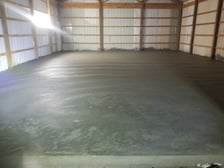
Additional Photos
Additional Photos
Additional Photos
Additional Photos
Additional Photos

+6

Recommended by62%of homeowners
Showing 1-10 of 28
Asphalt Driveways questions, answered by experts

Wet cutting is usually the preferred method. It controls dust, which helps protect your lungs and makes for a cleaner working environment. Plus, the water cools the blade, preventing overheating and prolonging its life while providing smoother, more precise cuts. The downside is the mess—water and asphalt sludge can be messy to clean. Dry cutting, though convenient if water isn’t available, creates a lot of dust, which can be harmful. This also increases the risk of blade damage due to overheating. So, if you have the option, wet cutting is the better method for most asphalt jobs.

While blacktop is a type of asphalt, the terms should not be used interchangeably, as not all asphalt qualifies as blacktop. The primary differences are in their composition, production process, and ideal applications. Blacktop contains more stone than other types of asphalt and is heated to a higher temperature during production—300°F or more—while hot-mix asphalt is heated to between 275°F and 300°F. The ratio of bitumen (a tar-like crude oil) is a key differentiator, though sources vary: some state blacktop has less bitumen, making it less durable, while others claim it has a higher ratio. Due to these differences, asphalt is generally more durable and better for high-traffic areas like highways and streets, while blacktop is more suitable for playgrounds and residential driveways. For a driveway project, it is best to consult a professional to determine the most appropriate material.

By grading and compacting the base soil, ensuring proper drainage and stability.

New asphalt goes through two stages: drying and curing. Drying typically takes 24 to 72 hours, after which the surface is solid enough for light use like walking or careful driving. While you may be able to park on it after 72 hours, the surface is still soft and should be treated gently. Full curing is a much longer process, taking anywhere from 30 days to a full year for the asphalt to reach maximum strength. During this extended curing period, the asphalt is susceptible to damage from heavy vehicles, sharp objects, and high temperatures. Factors like weather, the specific asphalt mix, and application thickness all influence drying and curing times. For the most accurate timeline and to ensure the longevity of your new asphalt, it is always best to consult with your installation contractor for their specific recommendations.

An ideal driveway gradient is between 2% and 5%. Anything lower than 1% or higher than 15% can cause problems for your car or property. A driveway with less than a 1% slope increases your likelihood of flooding and water damage, while a driveway with a 15% grade or higher can be too steep for safe traveling.

The Van Buren, MO homeowners’ guide to asphalt driveway services

From average costs to expert advice, get all the answers you need to get your job done.