




Top-rated arborists.

Best arborists near Troy, MO

Enter your zip and get matched with up to 5 pros

Need a pro for your arboricultural service project in Troy, MO?

Select your specific project to find the pro for you.

TRUSTED BY TROY, MO HOMEOWNERS

  • Average homeowner rating star icon4.5
    Average homeowner rating
  • Verified reviews icon153
    Verified arboricultural services reviews

Top-Rated Arborists in Troy - Updated Nov 2026

Avatar for Hurst Felling Company
Hurst Felling Company
5.0(
17
)
Tree TrimmingTree RemovalTree Removal - For Business+1 more

Serving Troy, MO and surrounding areas

Approved

In business since 2022

Free estimates

Credit card accepted

"They did a n awesome job and were very professional. The property was completely cleaned up and looked amazing. The price was very reasonable. He removed 4 large oak trees and cut the wood into firewood for me. I would recommend this company for tree removal."
Response time1 day
Response rate100%
1 neighbors recently requested a quote
Avatar for Faith Land & Tree Maintenance LLC
Faith Land & Tree Maintenance LLC
4.8(
42
)
Tree Removal - For BusinessTree Trimming - For Business

Serving Troy, MO and surrounding areas

Approved

In business since 2017

Free estimates

Credit card accepted

"Tom did an amazing job taking out a large pine and a large cedar after storms damaged them this spring. These trees were between two sets of power lines which made for what I thought would be a tricky job. No problem for Tom. He took them down and left my yard looking great. All this at half the price of everyone else. A true professional!"
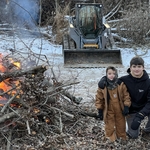
The boys and I cleaning up tree tops
Response time6 hrs
Response rate96%
Recommended by91%of homeowners
...
Showing 1-10 of 88
Arborists FAQs, answered by experts

Light-bark trees are most notorious for producing lots of sap when wounded. These varieties include maples, birches, poplars, dogwoods, magnolias, and elms, and they will bleed more when the trees are dormant. That’s why it’s a good idea to prune them in the summer months rather than waiting until winter.

Professionals use assessments, strategic cuts, specialized equipment, and safety measures to ensure healthy growth or the safe removal of trees or shrubs.

If you don’t cut down a dead, dying, or diseased tree, it can become a nesting place for pests like mosquitos, bees, beetles, wasps, fly larvae, and more. Some pests will live in the tree, while others will feed off the decaying wood. Unhealthy trees are also more likely to fall over, potentially injuring people and causing damage to your property.

If you’re taking down a tree that you don’t suspect is affected by disease or pests and it’s nowhere near your home or other structures, then calling in a tree company should work fine. However, anything more involved means an arborist is a better option. These pros have years of experience with tree removal and can safely take down trees located next to structures, and they have the tools, sanitization equipment, and experience to remove sick or dying trees without infecting nearby trees. 

Generally, you’ll want to prune back the trunk by 1 to 2 feet each year to promote bushy growth. Doing so concentrates vegetative buds closer to the bottom of the tree, where you can easily harvest fruit. For side shoots that are a year old, leave at least six leaves. 

Never remove more than 30% of a tree’s foliage during pruning—even if your tree is really overgrown. Removing this much foliage at a time could kill your tree.

The Troy, MO homeowners’ guide to arboricultural services

From average costs to expert advice, get all the answers you need to get your job done.