





Top-rated arborists.

Get matched with top arborists in New Florence, MO

Enter your zip and get matched with up to 5 pros

Need a pro for your arboricultural service project in New Florence, MO?

Select your specific project to find the pro for you.

TRUSTED BY NEW FLORENCE, MO HOMEOWNERS

  • Average homeowner rating star icon4.9
    Average homeowner rating
  • Verified reviews icon25
    Verified arboricultural services reviews

Find Arborists in New Florence

Avatar for Arbor Care
Arbor Care
5.0(
4
)
Tree RemovalTree Removal - For BusinessTree Stump - Remove+5 more

Serving New Florence, MO and surrounding areas

In business since 2013

Free estimates

Emergency services offered

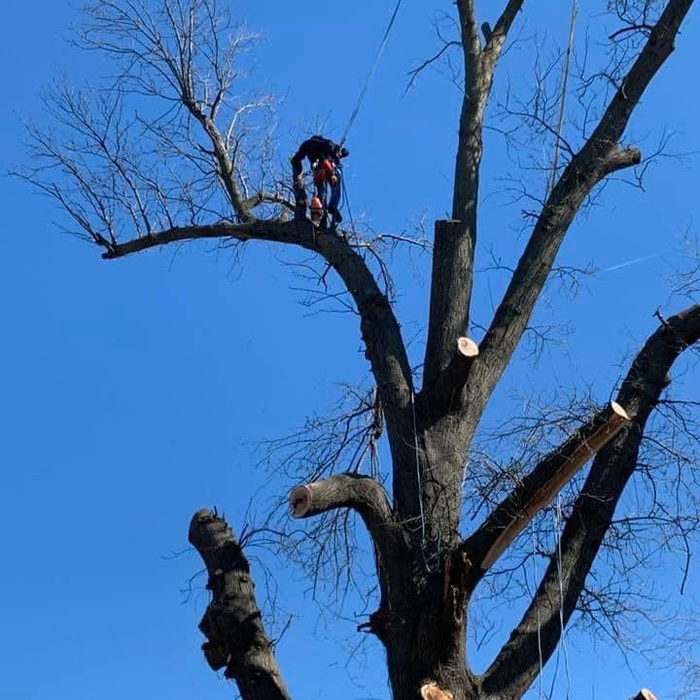
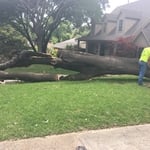
"Great. Unlike most Angi professionals, Matt and crew actually showed up when they said they would and did the job. They even did additional work from storm damage discovered after their original quote. Would definitely hire again."
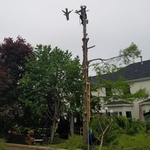
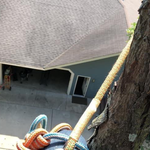
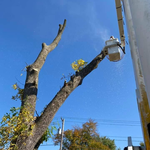
Additional Photos
Additional Photos
Additional Photos
Additional Photos
Additional Photos

+3

Recommended by100%of homeowners
Avatar for Stanley's Home Improvement
Stanley's Home Improvement
3.3(
12
)
Tree RemovalTree Removal - For BusinessTree Stump - Remove+7 more

Serving New Florence, MO and surrounding areas

Free estimates

Emergency services offered

"They did a very amazing job with the amount of trees i was needing done, they was very respectful and a very affordable price, my wife also hired then again when they mentioned landscaping and it was outstanding. I will call them again for the trees and landscaping needs next year!"
Additional Photos
Additional Photos
Additional Photos
Additional Photos
Additional Photos

+8

Recommended by77%of homeowners
Showing 1-10 of 39
Arborists questions, answered by experts

Usually, trees cannot grow back after their stump has been ground, but some very hearty types of trees can. For example, if you have a black locust or Redford pear, the grinding will need to go deep to prevent them from growing back. Ask your tree service or stump removal expert whether your tree can resprout after its stump is ground down.

The felling notch you make before you make the final cut will determine which way the tree will fall. The cut will be in a wedge or triangle, and the tree will fall from the highest point of the triangle. You can use this, as well as the process described above, to estimate where a tree will fall. 

You can use a chainsaw, but it won’t remove the entire stump or root ball and is not a recommended method. It takes quite a bit of physical work to achieve and will likely dull or ruin your chainsaw. Instead, consider using salt, herbicide, light deprivation, boiling water, stump grinding, or burning to kill a tree stump. These methods allow you to kill a stump using minimal machinery and physical exertion.

Rock salt or Epsom salt can damage and kill tree roots over several weeks and can even assist in removing the tree's stump. However, you need to drill holes or cut into the stump and surface tree roots to inject them properly with the salt. Repeat the process every two weeks until the roots visibly rot away.

If executed correctly your tree should survive after being transplanted to a new spot. However, effective transplanting requires six months, careful root pruning, safe transport to the new location, and replanting in prime soil conditions. You’ll also need an appropriately sized root ball for a complete tree transplant. A good rule of thumb is that, for every inch in diameter, your tree’s root ball needs to be around 11 inches. So a tree with a diameter of six inches needs a root ball of approximately 66 inches.

The New Florence, MO homeowners’ guide to arboricultural services

From average costs to expert advice, get all the answers you need to get your job done.