





Top-rated arborists.

Get matched with top arborists in Elsberry, MO

Enter your zip and get matched with up to 5 pros

Need a pro for your arboricultural service project in Elsberry, MO?

Select your specific project to find the pro for you.

TRUSTED BY ELSBERRY, MO HOMEOWNERS

  • Average homeowner rating star icon4.3
    Average homeowner rating
  • Verified reviews icon23
    Verified arboricultural services reviews

Find Arborists in Elsberry

Avatar for Arbor Care
Arbor Care
5.0(
4
)
Tree RemovalTree Removal - For BusinessTree Stump - Remove+5 more

Serving Elsberry, MO and surrounding areas

In business since 2013

Free estimates

Emergency services offered

"Great. Unlike most Angi professionals, Matt and crew actually showed up when they said they would and did the job. They even did additional work from storm damage discovered after their original quote. Would definitely hire again."
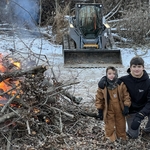
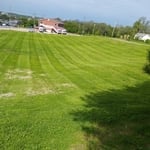
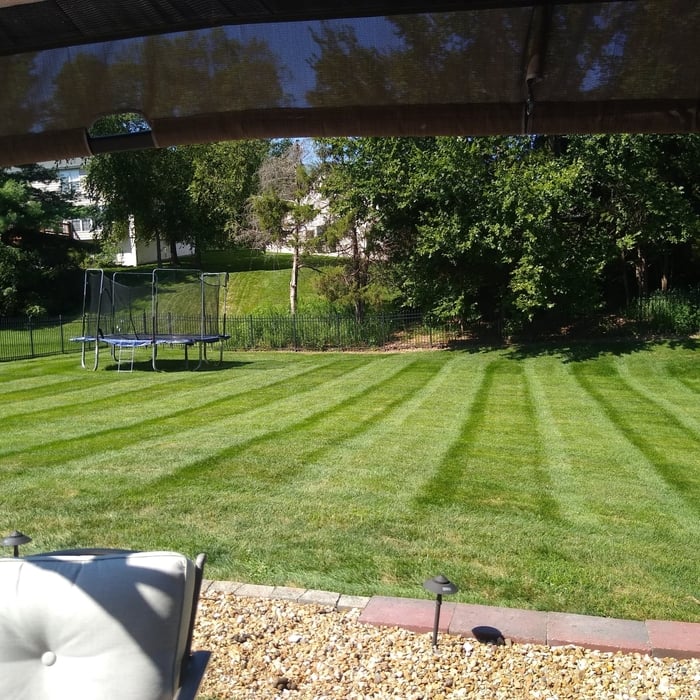
Additional Photos
Additional Photos
Additional Photos
Additional Photos
Additional Photos

+3

Recommended by100%of homeowners
Avatar for Patriot Tree Services
Patriot Tree Services
5.0(
5
)
Tree RemovalTree Stump - RemoveTree Trimming

Serving Elsberry, MO and surrounding areas

In business since 2024

Free estimates

Small jobs welcome

"Hi , I highly highly recommend this company. From start to finish the whole process of getting a bid and getting the job fully takin care of these guys are very professional. Will be using this company for now on."
Response time3 hrs
Response rate100%
Recommended by33%of homeowners
...
Showing 1-10 of 58
Arborists questions, answered by experts

If your palm tree has spots on the leaves, rotting buds, or is beginning to turn yellow, then you have a sick tree on your hands. You should contact a palm tree specialist to identify the problem and help treat the tree if possible. Preventing diseases and pests is key to a healthy palm tree, and it's essential to take action as soon as possible if your tree is showing signs of being sick.

Trees that flower in the spring—like dogwood, cherry, magnolia, and pear—should not be pruned during the winter. These spring-flowering plants grow buds on old growth, so you’ll actually remove what would’ve been gorgeous flowering foliage. Instead, wait to prune until right after they bloom, when the flowers fade.

Ivy eventually kills trees by restricting its growth, blocking sunlight, absorbing nutrients and water from the soil, and weakening the tree. Trees with ivy are more likely to experience diseases, pests, rot, and fungi growth. When ivy weighs down tree branches, the tree is more likely to break during a storm and cause damage.

The best time to transplant a tree is when it is dormant. For many trees, this means either in the fall after the leaves have dropped (around October or November) or in early spring before new growth begins (around March). The ideal timing can depend on the type of tree. Deciduous trees do well when moved in early spring or fall, while evergreens are best transplanted in early spring or late summer. For example, pine trees are best moved in early fall, but maples prefer late fall. Avoid transplanting in winter, as the frozen or hard, cold soil poses a significant risk to the roots and prevents the tree from acclimating properly.

It's easy to misidentify trees that appear to be maple trees due to similarities in leaf shapes. Sweetgum, sycamore, and yellow poplar all have leaf shapes and appearances similar to maples. The fact that around a dozen maple tree varieties exist, only about half of which are considered common, makes misidentification an often typical occurrence.  

The Elsberry, MO homeowners’ guide to arboricultural services

From average costs to expert advice, get all the answers you need to get your job done.