






Top-rated electricians.

Get matched with top electricians in Taylor, MO

Enter your zip and get matched with up to 5 pros

Need a pro for your electrical service project in Taylor, MO?

Select your specific project to find the pro for you.

TRUSTED BY TAYLOR, MO HOMEOWNERS

  • Average homeowner rating star icon5
    Average homeowner rating
  • Verified reviews icon31
    Verified electrical services reviews

Find Electricians in Taylor

Avatar for Donohue's Lightning Rods
Donohue's Lightning Rods
4.3(
70
)

Serving Taylor, MO and surrounding areas

Approved

In business since 1971

Free estimates

Emergency services offered

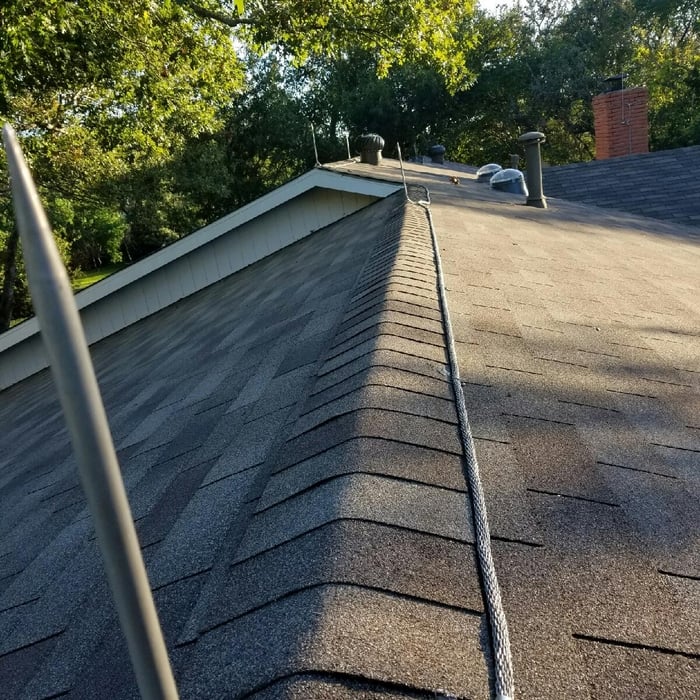
"Mr. Donohue is very knowledgeable and has excellent experience in the lightning protection area. He responds quickly and has a very professional team of workers. He quoted the job using google earth information. When he visited the site he reduced his price by over 50%. I highly recommend him and I will use his company again."
Jobs from the last 3 year
Lightning protection

+10

Response time1 day
91 neighbors recently requested a quote

Recommended by96%of homeowners
Avatar for Solarize
Solarize
5.0(
10
)

Serving Taylor, MO and surrounding areas

Approved

In business since 2023

Free estimates

Emergency services offered

"Needed a sub panel and my entire garage wired(7 120 outlets, 2 240 outlets, and a floodlight put in). They showed up gave a quick run threw and they knocked it out Whole process was quick and easy. Great work at a great price! Would definitely recommend!"
90 neighbors recently requested a quote
Avatar for BBS Electric
BBS Electric
5.0(
7
)

Serving Taylor, MO and surrounding areas

In business since 2023

Emergency services offered

Credit card accepted

"Brad was great to work with. I explained what I wanted to do and he worked to give me exactly what I wanted and pointed out potential issues and how we can resolve them. The work was completed in a timely manner and he kept the working area as clean as possible while working. The price was very fair and I look forward to having Brad back for more home improvement projects."
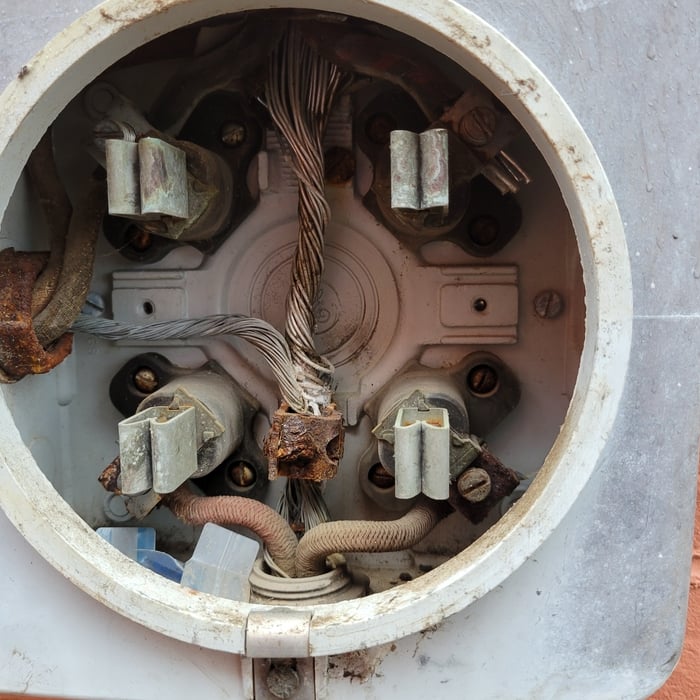
Damaged service wire
A phase
B phase
Voltage reading across both phases
Corroded neutral

+12

Recommended by100%of homeowners
Showing 1-10 of 45
Electrical questions, answered by experts

Generators are safe to use as long as they are installed and operated correctly according to the manufacturer's recommendations. The most critical safety tips are to never use a portable or fuel-powered generator inside an enclosed space due to the risk of lethal carbon monoxide poisoning; always operate it outdoors where fumes can dissipate away from your home. Additionally, never attempt to connect a generator to your home’s electrical panel yourself—hire a professional to ensure the setup meets safety standards. Finally, avoid overloading the generator by not connecting more appliances than it is rated for, as this can damage your equipment or cause a fire.

The cost of fixing faulty wiring depends on the type of repair required. Replacing an electrical service line, for example, can cost up to $500. Rewiring an entire house will cost at least several thousand dollars. Replacing old wiring like knob and tube wiring will be even more expensive, but fortunately that kind of outdated wiring is fairly rare. Always get an estimate from a reliable electrician to learn the cost details. 

Upgrading your electrical system can save you money on your monthly utility bills by powering your home more efficiently. Electrification nonprofit Rewiring America estimates that a household could save $1,800 per year on energy bills by upgrading to a modern electric heat pump, switching to a heat pump for their water, installing solar panels on the roof, and converting to an electric vehicle.

Smart glass doesn’t use a lot of electricity, and you can expect a standard window to add between $1 and $2 per year to your electric bills. Smart glass is proof that energy-efficient windows work. Although your smart windows may consume a little energy to operate, they can save enough energy to offset the costs. If you’re concerned about the minimal bump to your electricity consumption, you can opt for smart tint, which doesn’t require electricity to work.

Dehumidifiers typically use 300 to 700 watts of electricity per hour, whereas portable dehumidifiers use about 40 watts per hour. The exact amount of electricity your dehumidifier will generate depends on its capacity and energy efficiency. Generally, higher-capacity dehumidifiers generate more electricity than lower-capacity units, but they also usually have better energy efficiency over the long run.

The Taylor, MO homeowners’ guide to electrical services

From average costs to expert advice, get all the answers you need to get your job done.