

Top-rated arborists.

Get matched with top arborists in Norwood, MO

Enter your zip and get matched with up to 5 pros

Need a pro for your arboricultural service project in Norwood, MO?

Select your specific project to find the pro for you.

TRUSTED BY NORWOOD, MO HOMEOWNERS

  • Average homeowner rating star icon4.5
    Average homeowner rating
  • Verified reviews icon10
    Verified arboricultural services reviews

Find Arborists in Norwood

Avatar for Smiths Land Development
Smiths Land Development
4.8(
4
)

Serving Norwood, MO and surrounding areas

Free estimates

Emergency services offered

Warranties offered

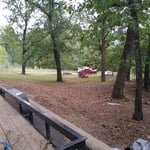
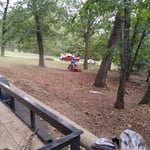
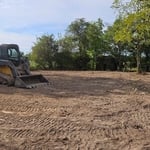
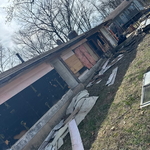
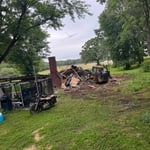
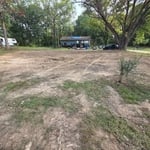
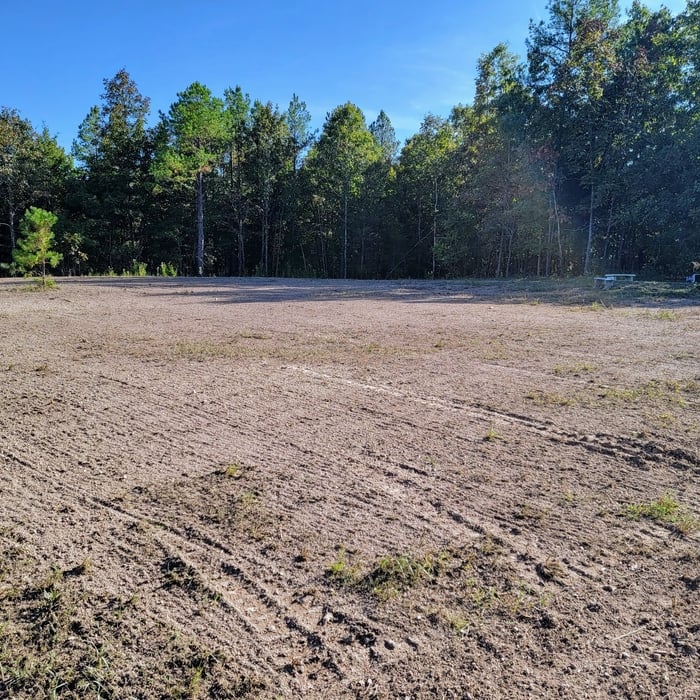
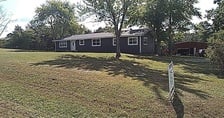
"We hired Smith’s Land Development to regrade the entrance to our commercial storage facility and address drainage problems. Jesse, the owner, performed the work himself and did an outstanding job. He was knowledgeable, straightforward, and completed the project as agreed. The grading and drainage improvements have made a noticeable difference in both functionality and appearance. High-quality work and professional service. Would definitely recommend."
clearing and hauling
house
demo work
cleared
cementary

+1

9 neighbors recently requested a quote
Avatar for Stanley's Home Improvement
Stanley's Home Improvement
3.3(
12
)

Serving Norwood, MO and surrounding areas

Free estimates

Emergency services offered

"They did a very amazing job with the amount of trees i was needing done, they was very respectful and a very affordable price, my wife also hired then again when they mentioned landscaping and it was outstanding. I will call them again for the trees and landscaping needs next year!"
Additional Photos
Additional Photos
Additional Photos
Additional Photos
Additional Photos

+8

Recommended by77%of homeowners

Showing 1-10 of 46
Arborists questions, answered by experts

It depends on where you live—but in most areas, leaves begin falling in September and continue falling until January or February. Warmer regions, such as Southern states, may see leaves fall a bit later in the calendar year. It also depends on the type of trees in your yard and their maturity. 

The best way is to start controlling tree height long before it grows too large, via careful pruning through the years. But that’s not always possible. If a tree has become too high or too large, use selective pruning to remove the most troublesome branches, one by one, without topping the tree. Gently shaping a tree like this can, over time, correct problems. You can also find growth inhibitors to spray on a tree to stop it from growing too rapidly, but use these sparingly if at all.

Bleach can potentially kill some types of delicate ornamental trees, but for the most part, it will only kill the foliage it comes in contact with. Applying bleach is not an effective method of killing a tree. A better option is to use an herbicide, which is a chemical compound designed to effectively kill a tree. 

Trees don’t usually grow back after being cut down. Some particularly robust tree species may start sending up new stems from a stump to recover, but those stems won’t become a “tree” like before. Generally, trees don’t recover from being entirely cut down, which is why it’s important to be careful when making a decision. When you cut down a tree, it’s a good idea to make plans to remove the stump, even if it’s unlikely to grow back.

It depends on the type of tree. Typically, late spring on the cusp of winter is ideal for trees about to emerge from dormancy and produce new buds. That said, late fall is ideal for certain deciduous trees prone to bleeding sap. Avoid trimming trees in early spring, when they’re prone to disease.

The Norwood, MO homeowners’ guide to arboricultural services

From average costs to expert advice, get all the answers you need to get your job done.