Top-rated arborists.

Best arborists near Hartville, MO

Enter your zip and get matched with up to 5 pros

Need a pro for your arboricultural service project in Hartville, MO?

Select your specific project to find the pro for you.

TRUSTED BY HARTVILLE, MO HOMEOWNERS

  • Average homeowner rating star icon4.4
    Average homeowner rating
  • Verified reviews icon44
    Verified arboricultural services reviews

Top-Rated Arborists in Hartville - Updated Nov 2026

Avatar for Grass Hunters Lawn and Tree Service LLC
Grass Hunters Lawn and Tree Service LLC
5.0(
14
)
Tree RemovalTree Removal - For BusinessTree Stump - Remove+3 more

Serving Hartville, MO and surrounding areas

Approved

Super Service Award Winner

In business since 2019

Free estimates

Credit card accepted

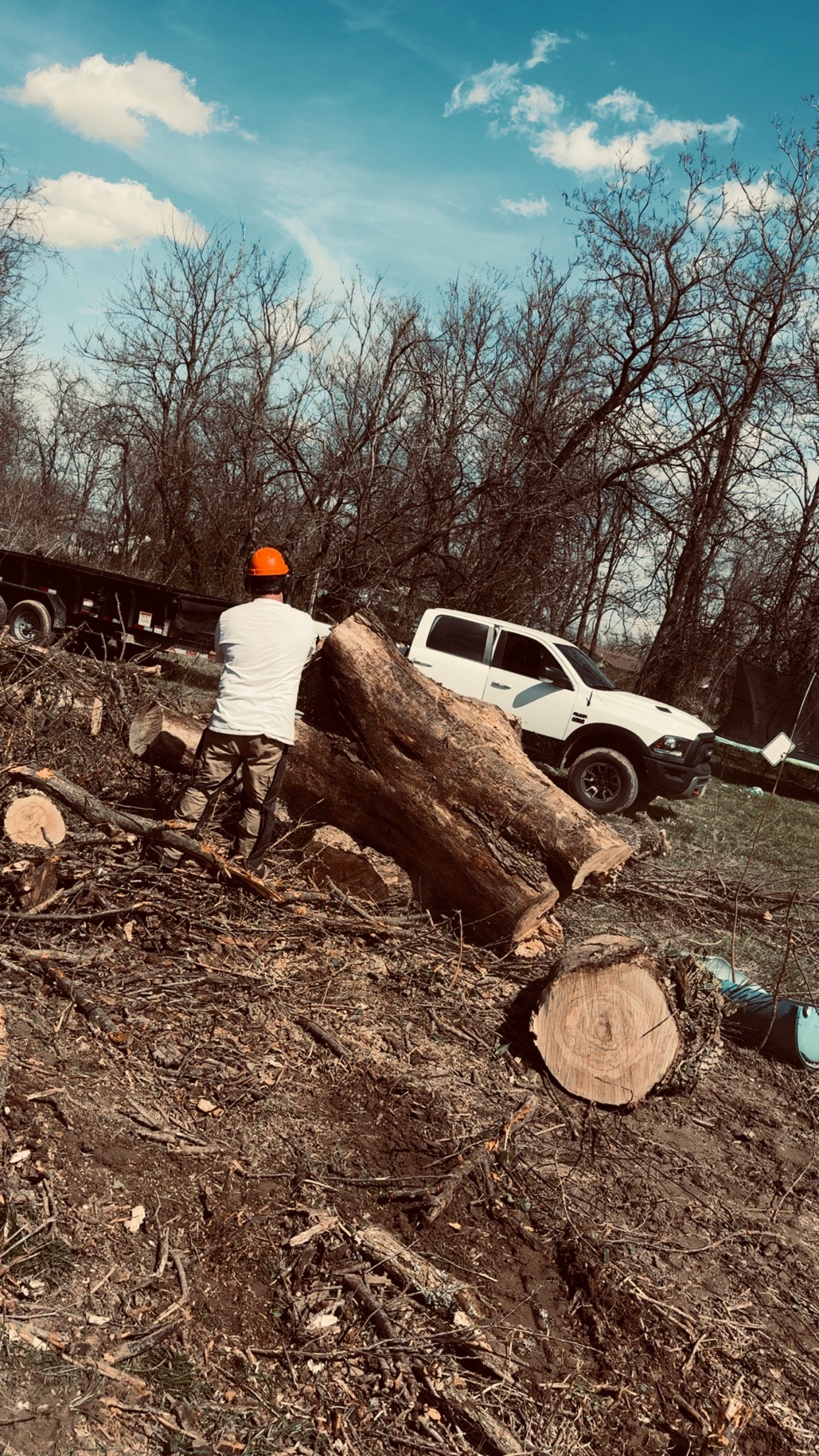
"Hunter and his crew did a very good job and was very professional in their conduct and worked they performed while here. They took down two large trees that were very close to house and did so without any property damage was able to stack the debris so I can take care of it later. I wouldn't hesitate to recommend this company for your tree removal. You will be very happy with their results."
Response time2 days
Response rate87%
2 neighbors recently requested a quote

FRAZER'S TREE SVC
4.3(
11
)
Tree Stump - RemoveTree RemovalTree Removal - For Business+5 more

Serving Hartville, MO and surrounding areas

Approved

Customers say: True professional

"

Was a slight delay because of bad weather but very prompt as soon as the weather permitted. I felt it was a little pricey but they

did quality work for their money. Owners and workers were professional and courteous. Would use them again if needed.


"
1 neighbors recently requested a quote
Recommended by100%of homeowners
Avatar for Hillside Excavation
Hillside Excavation
5.0(
3
)
Tree Stump - Remove

Serving Hartville, MO and surrounding areas

Approved

In business since 2017

Free estimates

Customers say: Quick response

"Hillside put in a retaining wall for my fire pit and pool area, hauled and spread gravel, and was able to haul the gravel for me as well. I have absolutely no complaints. Travis arrived when he said he would and completed the work on schedule. He also corrected a previous landscaping project (mine) which included correcting the fall from the house to the yard eliminating some low spots in my yard which helped with drainage. Hillside gave me a backyard I am very proud of. The quality of his work and the genuine commitment he brings to the project is refreshing. I absolutely recommend Hillside Excavating. Ronnie Hyde"
Response time4 hrs
Response rate100%
Recommended by100%of homeowners
Showing 1-10 of 49
Arborists FAQs, answered by experts

If the roots are still alive, the dead tree will usually try to put out new shoots. That doesn’t mean the tree will survive or that the dead parts of a tree will come back to life. If parts of the tree have died and turned gray or rotten, nothing will bring them back to life and they need to be safely removed.

Most experts recommend removing a tree that has sustained more than 25% loss in the limbs, trunk, or circumference of the bark. Doing an initial trimming of damaged and dangling branches, but then waiting a few days of monitoring to decide how much more you might need to cut can help you better assess the total damage to the tree. However, consulting a tree maintenance pro to make this determination the best course of action before removing a tree.

If you’re planning on keeping the tree, unless the roots are invasive, there’s no need to remove them, as doing so can cause damage to the tree. If the tree has been cut down and the stump and roots are left, grinding and removing the stump can cause root decay for some species. For other species, the stump and roots will need to be removed to prevent pests, disease, and possible tree regrowth.

Light-bark trees are most notorious for producing lots of sap when wounded. These varieties include maples, birches, poplars, dogwoods, magnolias, and elms, and they will bleed more when the trees are dormant. That’s why it’s a good idea to prune them in the summer months rather than waiting until winter.

If you’re looking to rot a tree stump fast, potassium nitrate will work far quicker than copper nails. First, drill several holes into the stump using a power drill, then pour potassium nitrate pellets into the holes. Next, add water to help the chemical absorb into the wood, thoroughly soaking the stump to ensure the pellets dissolve and spread evenly. Afterward, cover the stump with a tarp to retain moisture and block sunlight, then place mulch on top to secure it in place.

The Hartville, MO homeowners’ guide to arboricultural services

From average costs to expert advice, get all the answers you need to get your job done.