




Top-rated asphalt driveway pros.

Get matched with top asphalt driveway pros in Mound City, MO

Enter your zip and get matched with up to 5 pros

Need a pro for your asphalt driveway service project in Mound City, MO?

Select your specific project to find the pro for you.

Find Asphalt driveway pros in Mound City

Avatar for Hogan Concrete LLC
Hogan Concrete LLC
5.0(
6
)
Concrete Driveways - InstallConcrete Driveways & Floors - Install- For Business

Serving Mound City, MO and surrounding areas

Approved

In business since 2018

Free estimates

Customers say: True professional

"Hogan's Concrete was a pleasure to meet and work with. Right on schedule, excellent work ethic, exact specs, and they go the extra mile to build it right. They communicated well and had very pleasant employees. We were very pleased with the end product. Very obvious that they are experts in their trade with years of experience. We would highly recommend them to anyone for their projects. Thank you Nick Hogan."
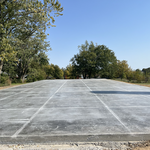
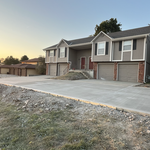
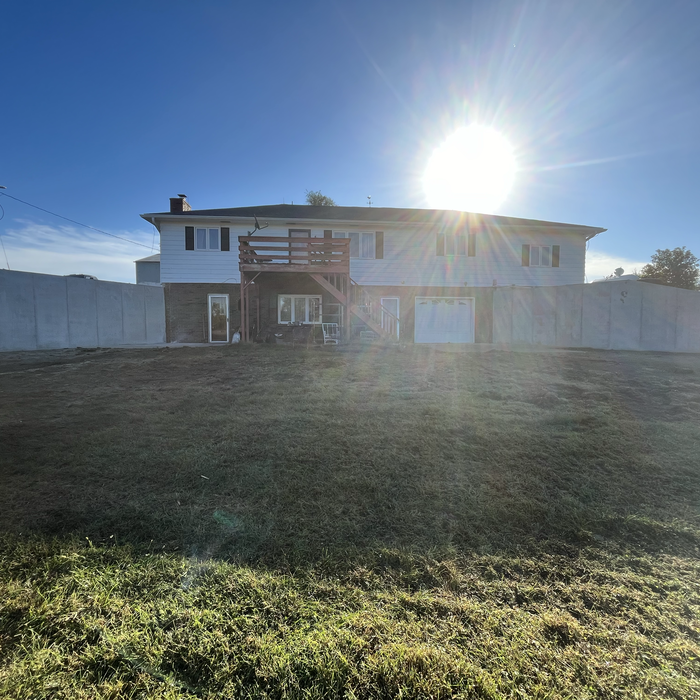
Driveways - Concrete Project
Additional Photos
Additional Photos
Additional Photos
Additional Photos

+55

Response time4 days
3 neighbors recently requested a quote
Recommended by83%of homeowners
KR Dirtworks
New to Angi
Gravel or Loose Fill Paving - Install, Spread or Scrape

Serving Mound City, MO and surrounding areas

In business since 2023

Free estimates

KR Dirtworks is committed to excellence in every aspect of our business. We uphold a standard of integrity bound by fairness, honesty, and personal responsibility. Our distinction is the quality of service we bring to our customers. Accurate knowledge of our trade combined with ability is what makes us true professionals. Above all, we are watchful of our customers' interests, and make their concerns the basis of our business.

Showing 1-10 of 26
Asphalt Driveways questions, answered by experts

New asphalt goes through two stages: drying and curing. Drying typically takes 24 to 72 hours, after which the surface is solid enough for light use like walking or careful driving. While you may be able to park on it after 72 hours, the surface is still soft and should be treated gently. Full curing is a much longer process, taking anywhere from 30 days to a full year for the asphalt to reach maximum strength. During this extended curing period, the asphalt is susceptible to damage from heavy vehicles, sharp objects, and high temperatures. Factors like weather, the specific asphalt mix, and application thickness all influence drying and curing times. For the most accurate timeline and to ensure the longevity of your new asphalt, it is always best to consult with your installation contractor for their specific recommendations.

Wet cutting is usually the preferred method. It controls dust, which helps protect your lungs and makes for a cleaner working environment. Plus, the water cools the blade, preventing overheating and prolonging its life while providing smoother, more precise cuts. The downside is the mess—water and asphalt sludge can be messy to clean. Dry cutting, though convenient if water isn’t available, creates a lot of dust, which can be harmful. This also increases the risk of blade damage due to overheating. So, if you have the option, wet cutting is the better method for most asphalt jobs.

Several materials are suitable for steep driveways. Gravel and crushed stone are affordable options that provide good traction. Permeable pavers—such as plastic, rubber, or concrete—filled with gravel or crushed stones are also excellent, as they allow water to drain without causing erosion and perform well in ice and snow. Another option is resin, which can be coated with an anti-slip finish and helps prevent puddles. For added stability, you can install a retaining wall to prevent pavers and gravel from shifting over time.

Three inches is a great thickness for a residential asphalt driveway that sees minimal to moderate traffic from cars, SUVs, and pickup trucks. However, a thicker driveway can better withstand the weight of a heavier vehicle, such as a trailer or a recreational vehicle. If you drive a heavy vehicle on a thin driveway, you risk cracking and damaging it.

Building a road on a slope requires careful planning and will normally require a drainage system underneath to prevent flooding and damage to the road over time. Your professional may lengthen your road to create switchbacks if the slope directly to your home is too steep, as there are regulations for maximum road slope. The drainage system will help prevent runoff from the higher side of the slope from damaging the asphalt or concrete. Keep in mind that building a road on a slope isn’t a good DIY project, as a lot can go wrong.

The Mound City, MO homeowners’ guide to asphalt driveway services

From average costs to expert advice, get all the answers you need to get your job done.