





Top-rated asphalt driveway pros.

Best asphalt driveway pros near Maryville, MO

Enter your zip and get matched with up to 5 pros

Need a pro for your asphalt driveway service project in Maryville, MO?

Select your specific project to find the pro for you.

Top-Rated Asphalt driveway pros in Maryville - Updated Nov 2026

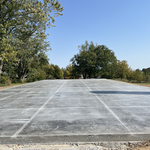
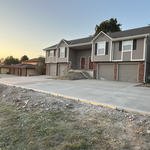
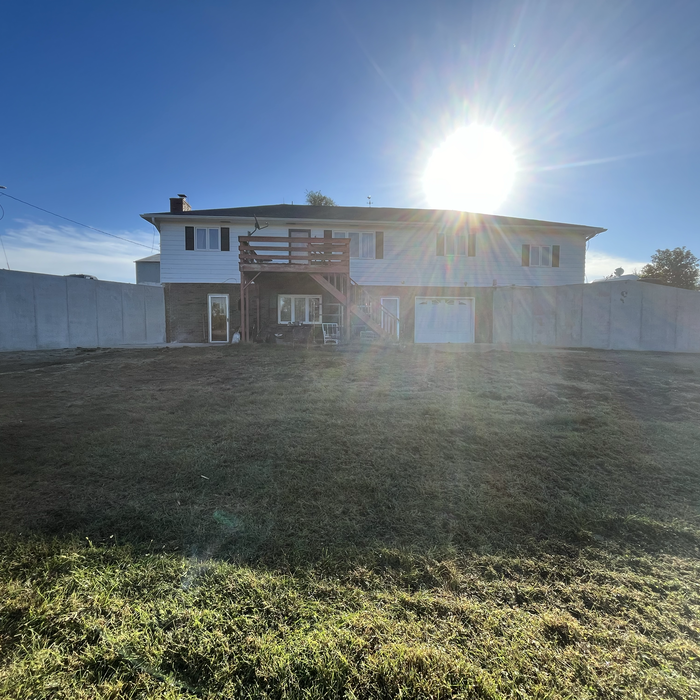
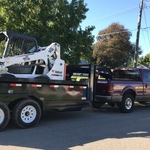
KR Dirtworks
New to Angi
Gravel or Loose Fill Paving - Install, Spread or Scrape

Serving Maryville, MO and surrounding areas

In business since 2023

Free estimates

KR Dirtworks is committed to excellence in every aspect of our business. We uphold a standard of integrity bound by fairness, honesty, and personal responsibility. Our distinction is the quality of service we bring to our customers. Accurate knowledge of our trade combined with ability is what makes us true professionals. Above all, we are watchful of our customers' interests, and make their concerns the basis of our business.

Showing 1-10 of 24
Asphalt Driveways FAQs, answered by experts

Gravel is the cheapest way to extend a driveway. Gravel is an affordable, practical option that’s easy to install and perfect for DIY projects, helping you save on labor costs. It can be quickly spread and leveled to create extra driveway space without heavy preparation. While gravel doesn’t offer the same durability or finished look as concrete or asphalt, its low cost makes it ideal for budget-conscious homeowners who want a functional solution without overspending.

The answer to whether or not you need to get a permit before you start your driveway can vary widely based on local ordinances and the scope of your driveway ideas. In most urban and suburban areas, a permit is needed before building a new driveway to ensure that a homeowner is using safe materials and proper drainage practices while designing and constructing a new driveway. In some rural areas, a homeowner may not be required to apply for a permit. When building a new driveway on your own, always check with your local building department to see if you need to request a permit. When hiring a driveway contractor, verify that the right permits are being used before driveway construction begins.

A driveway's lifespan varies by material. Asphalt driveways typically last 15 to 30 years, while concrete driveways last longer, between 20 and 50 years. The longevity of any driveway is affected by factors like extreme temperatures, heavy traffic, and the quality of maintenance. Regular upkeep, such as filling cracks, resealing the surface, and ensuring proper drainage, can help extend its life. For gravel driveways, regrading to fill in uneven areas every year or two is recommended.

If you’re looking for a similar, eco-friendly driveway material, you might consider one of these options:

  • Permeable pavement: This material is sometimes called “pervious” or “porous” pavement; it allows stormwater to drain into the subbase, eliminating storm drain costs. 

  • Gravel: Consider paving your driveway with locally sourced gravel. By sourcing from a nearby source, your money won’t fund international shipping and will be invested back into your local community.

  • Natural stone pavers: Because natural stone pavers are made from organically-produced stone, there’s no new manufacturing required, limiting the environmental impact. In addition, water easily flows and drains through the gaps in the pavers.

Gravel is the most economical and least expensive driveway material, costing between $1 and $3 per square foot. This is significantly cheaper than alternatives like asphalt or concrete. However, it's important to consider long-term costs, as gravel driveways require regular maintenance. You will likely need to add new gravel filling once or twice a year and regularly rake it to keep it level, which can add to the overall cost over time.

The Maryville, MO homeowners’ guide to asphalt driveway services

From average costs to expert advice, get all the answers you need to get your job done.