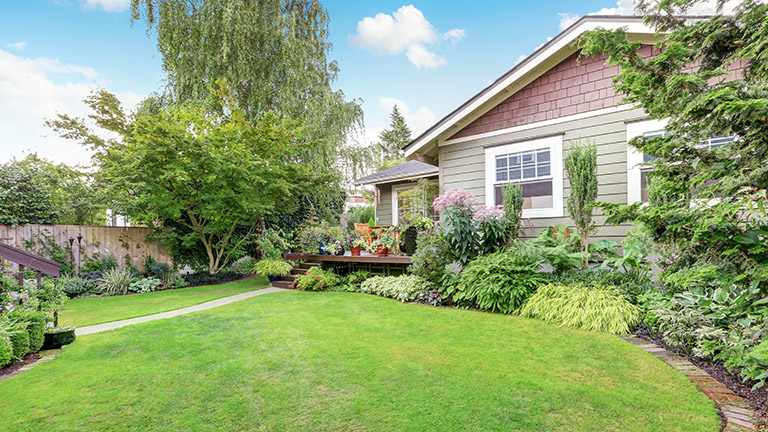









"David did an excellent job assembling and filling 2 large flower beds for me. He does excellent work. I'm so impressed. Also, the project was completed in a timely manner. Great communication to make sure they were placed exactly where and how I wanted them. I highly recommend him. I plan to hire him again to work on my house."
"Refined Spaces does fantastic work! Bobby is professional, fair and reliable. I will be using Refined Spaces for my future home improvement projects."
We take the extra time and precautions to make sure evey job we do is done professionally and as timely as possible with us I can assure you will not be disappointed in any of the services we offer
Im an Air Force veteran with over 15 years of construction experience in multiple different trades. I enjoy going above and beyond to offer customers with an exceptional service.
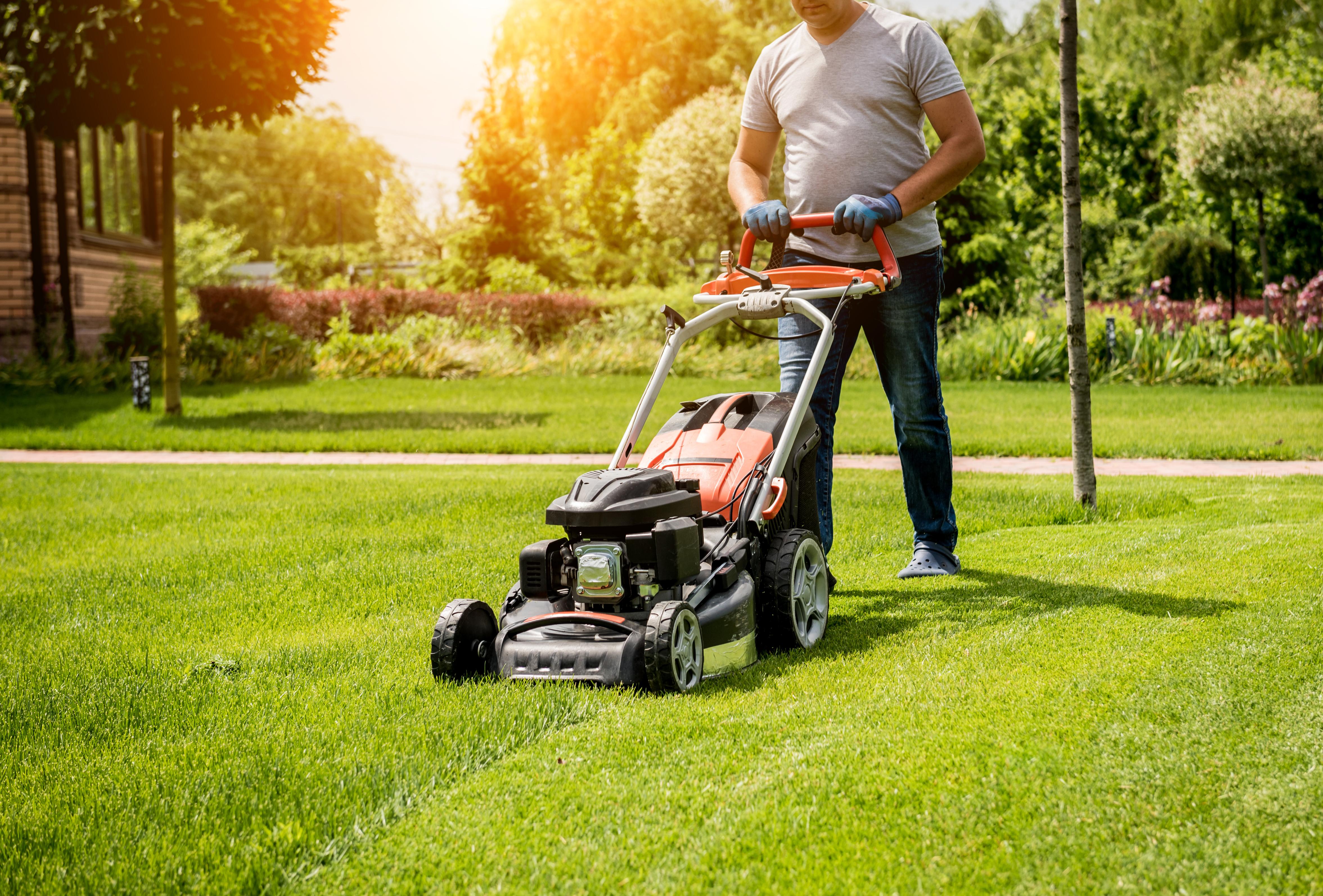
"Reached out after getting behind on mowing for a couple weeks. They got us worked in pretty quick and the yard looked a lot better afterward. Couple small spots were missed around the fence line but overall happy with it."
Generally, it is not necessary to remove old mulch before applying a new layer. As organic mulch breaks down, it enriches the soil with nutrients. However, you should remove the old layer if it shows signs of fungus or disease, which can be common in moist areas, or if the total depth is already too thick. Avoid letting the total mulch depth exceed 3 inches, as this can harm plant roots. If you do remove old, disease-free mulch, it can be added to a compost pile.
It’s possible to over-mulch leaves. If the leaf mulch is thick enough that it’s blocking and smothering the grass, that’s a problem. Ideally, you should still be able to see the grass when you’re done mulching to ensure its ability to continue growing. The solution is to make another pass at the top layer of leaf mulch to collect some of the top layer.
No, you shouldn’t vacuum artificial grass, particularly if you lay your synthetic grass with infill. Vacuuming could suction it up and loosen the connection between the grass and the ground.
The frequency of gardening service visits depends on two significant factors—the service and your budget. If you’re a gardening DIYer and only need someone to check on your plant's health quality, you might not need many visits throughout the year. However, if you love the idea of a garden but don't have the time or patience to plant, water, and maintain your garden, you might need weekly visits (or more, depending on the weather).
While minimal, maintenance includes periodic brushing, debris removal, and potential infill replacement if excessive use causes compaction.
The Madison, MO homeowners’ guide to lawn services
From average costs to expert advice, get all the answers you need to get your job done.
Discover average lawn aeration cost, key price factors, and tips to save. Get a clear estimate for your yard and learn how to choose between DIY and hiring a pro.
Of all the increasingly popular grass alternatives, clover is edging out the competition. Get to know the top clover lawn pros and cons and whether this option is right for you.