



Top-rated tree service pros.

Best tree service pros near Jonesburg, MO

Enter your zip and get matched with up to 5 pros

Need a pro for your tree service project in Jonesburg, MO?

Select your specific project to find the pro for you.

TRUSTED BY JONESBURG, MO HOMEOWNERS

  • Average homeowner rating star icon4.8
    Average homeowner rating
  • Verified reviews icon50
    Verified tree services reviews

Top-Rated Tree service pros in Jonesburg - Updated Nov 2026

Avatar for Arbor Care
Arbor Care
5.0(
4
)
Tree RemovalTree Removal - For BusinessTree Stump - Remove+5 more

Serving Jonesburg, MO and surrounding areas

In business since 2013

Free estimates

Emergency services offered

"Great. Unlike most Angi professionals, Matt and crew actually showed up when they said they would and did the job. They even did additional work from storm damage discovered after their original quote. Would definitely hire again."
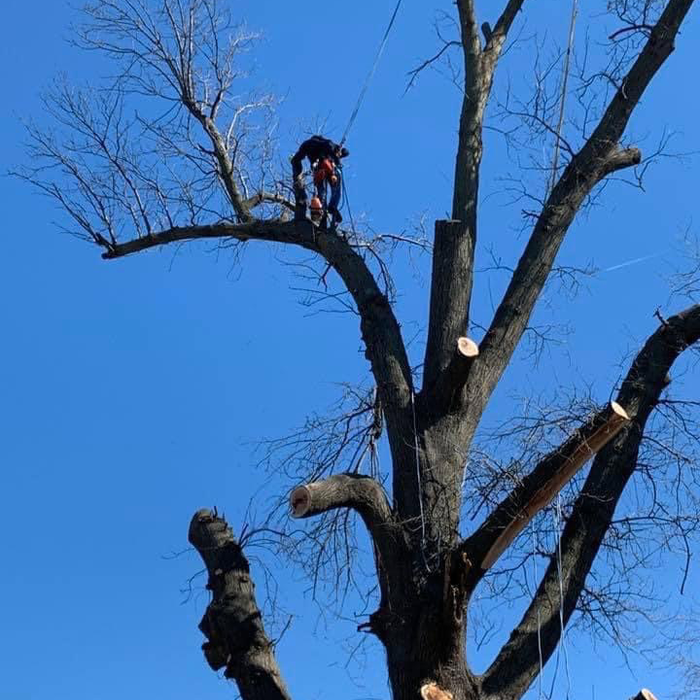
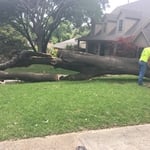
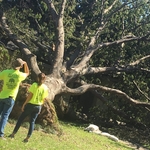
Additional Photos
Additional Photos
Additional Photos
Additional Photos
Additional Photos

+3

Recommended by100%of homeowners
...
Showing 1-10 of 54
Tree Service FAQs, answered by experts

A tree branch should start to form roots in about three months. It can take about a year for a tree branch to develop roots strong enough to go in the ground. For best results, start several branches because, no matter how closely you follow instructions, they won’t all form roots. Compost any that aren’t thriving.

Tree trimming can count as landscaping, depending on how a landscaping business describes its services. Professional tree trimmers are more specialized than landscapers and offer trimming services separately from general landscaping.

When general landscaping companies offer tree trimming, look up the details. They usually mean shaping or seasonal trimming of ornamental trees, which is different from trimming larger trees for health or safety reasons. When possible, look for a licensed expert that specializes in trees and tree health.

In most ways, palm trees are incredibly low-maintenance. They don’t need a ton of water—which is why they’re so beloved in desert regions—and they basically prune themselves. But they do need an ample supply of sunlight and to be in soil that will allow for proper drainage so that their roots don’t become waterlogged and at risk of developing illnesses.

If the plant begins to wilt, develop spots, or change color, these could all be signs that your palm tree has a disease. But a few basic treatments, like pruning and applying fungicide, will usually be more than enough to return it to perfect health.

There are many signs that a tree is diseased or dying, and if you suspect that’s the case, you should call an arborist immediately. You might notice rot or fungus on the trunk or that the tree is beginning to lean to one side. Brittle branches or signs of root damage are other indicators that a tree is in trouble. If the tree is dying, it might be time to cut the tree down so it doesn’t fall.

Tree borers are difficult to control and remove once they make a home in your tree. However, with patience and determination, some methods can slow the damage or even eliminate the pests. But, once the damage is too much for the tree to handle, the only solution becomes removing it. Talk to a tree specialist early for the best chance at saving your tree.

The Jonesburg, MO homeowners’ guide to tree services

From average costs to expert advice, get all the answers you need to get your job done.