

Discover the average tree maintenance cost, key price factors, and tips to save. Get expert insights to plan your tree care budget with confidence.
Choosing the right method will mean healthier, happier plants

The difference between tree pruning and tree trimming matters because pruning focuses on your tree's health by removing diseased or damaged branches, while trimming shapes your plant's appearance.
Over-pruning can damage your trees by removing more than 20% of foliage at once, while excessive trimming stresses plants and limits their ability to grow properly.
The right choice depends on your needs: pruning suits health concerns like disease or pest damage, while trimming maintains your desired shape and prevents overgrowth near structures.
Hiring a local tree pruning professional provides confident guidance on proper cutting techniques and timing, helping protect your trees from damage while achieving the results you want.
The rose bush in your garden has drooping flower buds, while the beloved maple tree in the backyard is starting to scrape against the house after a couple of years of rapid growth. If you want to remedy these issues, how do you know whether to choose between pruning versus trimming your trees and shrubs?
While these terms are sometimes used interchangeably and are similar, there’s a right time to prune and a right time to trim your plants. Here’s how to know which method will work best for your blooms.
So, is pruning the same as trimming? There is a difference between pruning and trimming. Pruning involves cutting diseased and dead branches and even unnecessary branches that need to be removed to help promote growth.
Trimming trees involves cutting the branches all over to manage unwanted growth and make them look crisp and well-maintained. However, properly trimming trees can help stimulate growth as well. Whether you are pruning or trimming, it’s essential to do it correctly to avoid killing the tree.


While you may have heard some pro-planters at the gardening store discuss their pruning methods, you may not know what pruning is exactly. Again, pruning refers to cutting off unnecessary or unhealthy branches from a tree or shrub.
Tree branches that are broken, loose, riddled with pests or disease, or otherwise unhealthy will need to be removed. But you may also want to prune some plants, like boxwoods, junipers, or birch trees, to thin out their branches and promote growth.
Pruning is often necessary when plants have unhealthy branches that can spread disease or pests to other parts of the plant. You have to make time as soon as possible to handle pruning in these cases or risk plant die-off.
| Pros | Cons |
|---|---|
| Woundwood | Undesired growth |
| Growth | Tree injury potential |
| Small area to prune | Timing is important |
Pruning is an essential task for trees and shrubs. While you can use it cosmetically to thin out a plant or boost growth overall, it is also crucial for keeping your trees or shrubs healthy if they catch a disease or become a host for pesky pests.
Woundwood: Pruning unhealthy branches encourages the area to grow woundwood, or new wood growth over wounds, to prevent pests or diseases from spreading throughout the plant.
Growth: Pruning can help stimulate growth throughout the plant by redirecting plant hormones from growing longer branches to growing new ones for a fuller, bushier look.
Small area to prune: With pruning, you are likely only working in a small area rather than trimming all over the plant. This can make the job easier and faster to complete than trimming.
Pruning isn’t always a good thing, though. Over-pruning can leave plants looking bare or promote growth in unwanted areas of the plant. Knowing when to prune is also essential since pruning in extreme weather can stress out a tree or plant.
Undesired growth: While stimulating growth can be good, it can also encourage a tree or brush to sprout many more branches that change the look of the plant or require more upkeep.
Tree injury potential: If you prune in colder weather or during extreme temperature changes, this task can stress the tree and cause it to crack.
Timing is important: Although pruning is urgent to minimize pest or disease spread, pruning outside of the plant’s growing season can make it harder to recover.

What is tree trimming, anyway? Just like you trim your hair to maintain its shape and luster, trimming a tree can keep it looking its best. Trimming trees involves cutting the branches shorter all over.
This task may be for aesthetic reasons for trees and other plants as well. For instance, keeping a shrub or bush looking neat and tidy or keeping a plant’s branches from rubbing against the side of the house or shed.
| Pros | Cons |
|---|---|
| Curb appeal | Plant damage |
| More natural light | Larger area to trim |
| Improves growth | Dangerous task |
Trimming offers many benefits to your trees and plants, mainly to keep them looking prim and proper rather than wild and unruly. Trimming branches can also help keep the plant healthy with better nutrient allocation throughout the tree or shrub.
Curb appeal: Messy trees and shrubs may look natural and rustic in some landscapes, but many homeowners prefer the tidy look of trimmed plants.
Natural light: By trimming back trees and shrubs, more natural light from the sun can reach other parts of the plants and ground below.
Improves growth: Trimming young plants regularly can help boost their growth as they mature by making it easier for all plant parts to access nutrients.
Trimming usually becomes problematic when you trim too often or trim away too much of the plant in one session. Excess trimming can stunt growth or cause injury to the plant, so make sure not to go overboard when you break out the trimmers or saw.
Plant damage: Trimming more than 20% of the foliage in a session and trimming too often can damage the plant.
Larger area to trim: It’s not likely you’ll just trim down a branch or two. Trimming involves cutting down branches around the plant until you reach the look you want.
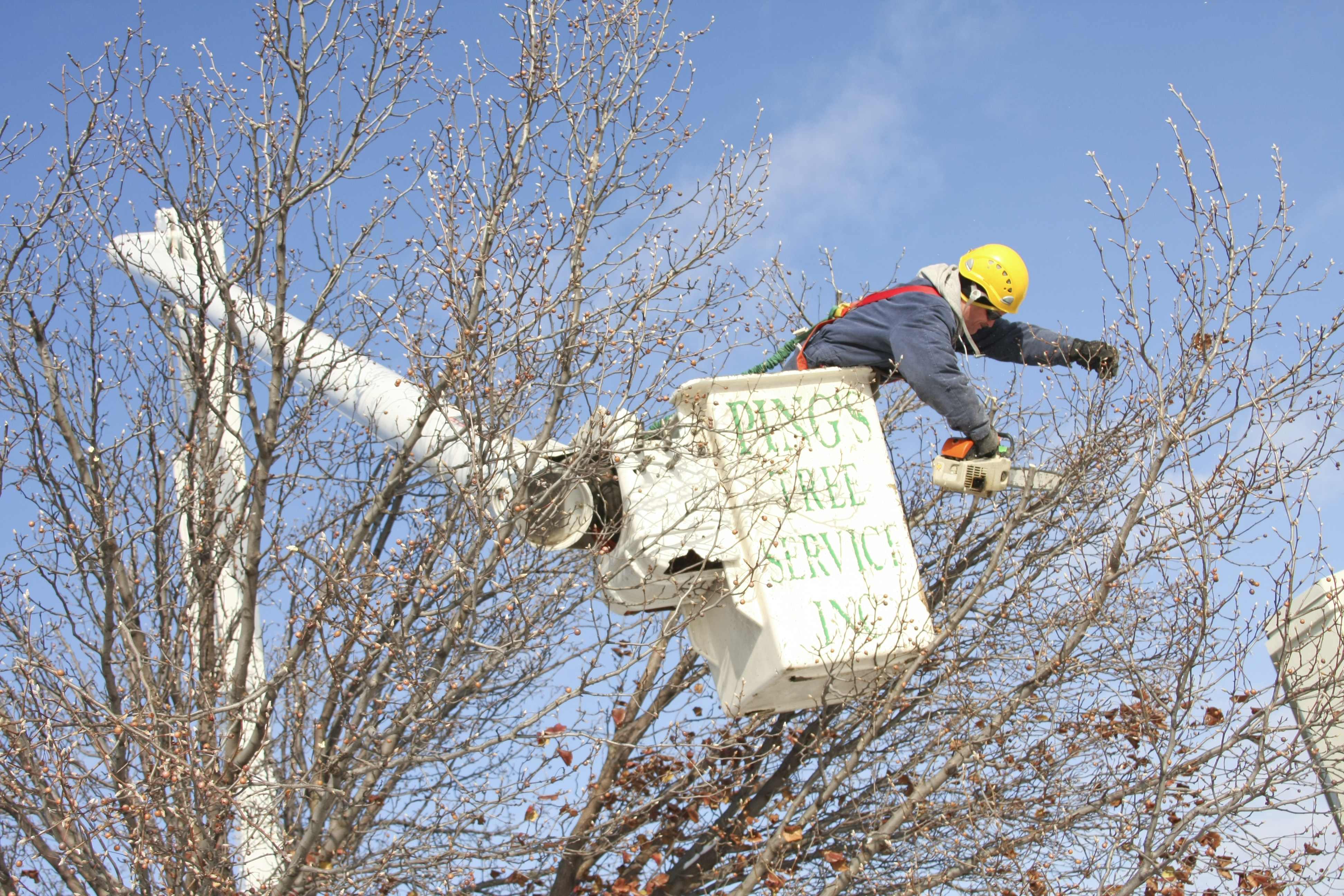
Dangerous: Pruning and trimming are both dangerous because incorrect pruning or trimming can damage the plant stem or bark, but it can be hazardous to trim the lengthy branches of a tall tree on your own because you could fall.
Now that you know what tree pruning is and what tree trimming is, plus how these methods work for other plants in your yard, you can compare them directly to find which option will work best for your yard and garden.
Pruning is mainly used for plant health and safety while trimming usually focuses on the plant’s appearance. Use this trim vs. prune comparison breakdown to help you choose the proper method:
Trimming is the top choice if you want your shrubs to be perfect squares or circles or your tree branches all to reach the same length.
Pruning can offer some aesthetic benefits as you thin out a plant, but trimming is the standard method for shaping a plant or changing or maintaining its appearance.
Best for appearance: trimming
Pruning trees and shrubs costs about $200 to $800, while trimming trees costs about $200 to $760 per session. The rates are similar but can vary based on many factors. Trimming tall trees may cost more than pruning small trees or shrubs, while pruning can cost more if it is an emergency to eliminate pests or diseases.
You may also need to schedule trimming services more often, about twice per year, compared to pruning, which happens once per growing season or as needed for plant health reasons.
Best for price: Both, depending on the plant and circumstances
In most cases, consider hiring a tree service near you to prune and trim your plants. Pruning requires a skilled hand to prevent damaging the plant or causing pests and diseases to spread further. Plus a pro can identify how much the pest or disease has impacted the rest of the plant.
Trimming can be especially dangerous for taller, larger trees. Pruning usually requires just a set of shears, though, and involves working on smaller sections of the plant, so it can be easier for DIYers.
Best for ease of DIYing: Pruning
Plants that overgrow and require regular pruning usually only need tending once per growing season. Otherwise, you may only need to prune when you notice signs of disease or pests. Many plants benefit from trimming about twice yearly or more if the branches and foliage grow rapidly.
Best for maintaining: pruning
Keeping trees, shrubs, bushes, and other plants healthy involves TLC throughout the year. Pruning away unhealthy or loose branches and trimming branches can promote plant health. Healthy trees and shrubs provide safe, reliable habitats for local bugs, birds, and other critters to call home.
Best for sustainability: Both
This service was great. My air conditioner went out during the heat spell that we had. My husband has health issues and they came out that night and at 9:30pm the air conditioner was fixed and running. We are sooo very thankful, this is the company I will be using from now on and would...
 Mr. Mechanical Ohio
One of my old tall evergreen trees was suddenly leaning toward the busy street in front of my house. I submitted a request for an emergency tree inspection, and Alejandro, owner of Cajete Tree Service, contacted me immediately and arrived to look at it just 20 minutes later. We agreed the...
 Cajete Tree Service LLC
1 tree was cut down and 5 others including a large willow tree were trimmed. The Grant Tree Service men were professional and cleaned up afterwards. The cost of the 6 trees were affordable. I am very happy with the results. I would hire them again.
 Grants Tree Service
D1 Roofing delivers outstanding service from beginning to end, backed by a strong warranty and expert teams. I highly recommend them for their excellence in meeting and surpassing expectations with unmatched communication. Choosing D1 Roofing was flawless decision
 Division 1 Roofing LLC
Promptly arrived for quoting! Demonstrated superb customer service, affordable pricing, and completed service swiftly! Looking forward to the spring for our service!
 All Star Paving and Sealing
Seth was very professional, prompt in responding to queries about the work required , gave sincere advice as to what would be best for tree trimming and did the job timely.
Ace Fireplace Services' chimney sweep service is truly exceptional. They used advanced technology to ensure a thorough cleaning process, and my chimney has never looked better. I highly recommend their services.
 Ace Fireplace Services
I definitely recommend Ramonaâ s cleaning service! I have booked services with her many times and she arrives on time, ready to work and provides a great service.
 Your Cleaning Solutions LLC
Webb â s was priced well, flexible on scheduling, great with communication, and detailed in their work. Iâ ll definitely use their services again.
 Webbs Pressure and Paint LLC
Great tree company, very professional and honest. Glad we found them, they had the best pricing
From average costs to expert advice, get all the answers you need to get your job done.
Discover the average tree maintenance cost, key price factors, and tips to save. Get expert insights to plan your tree care budget with confidence.
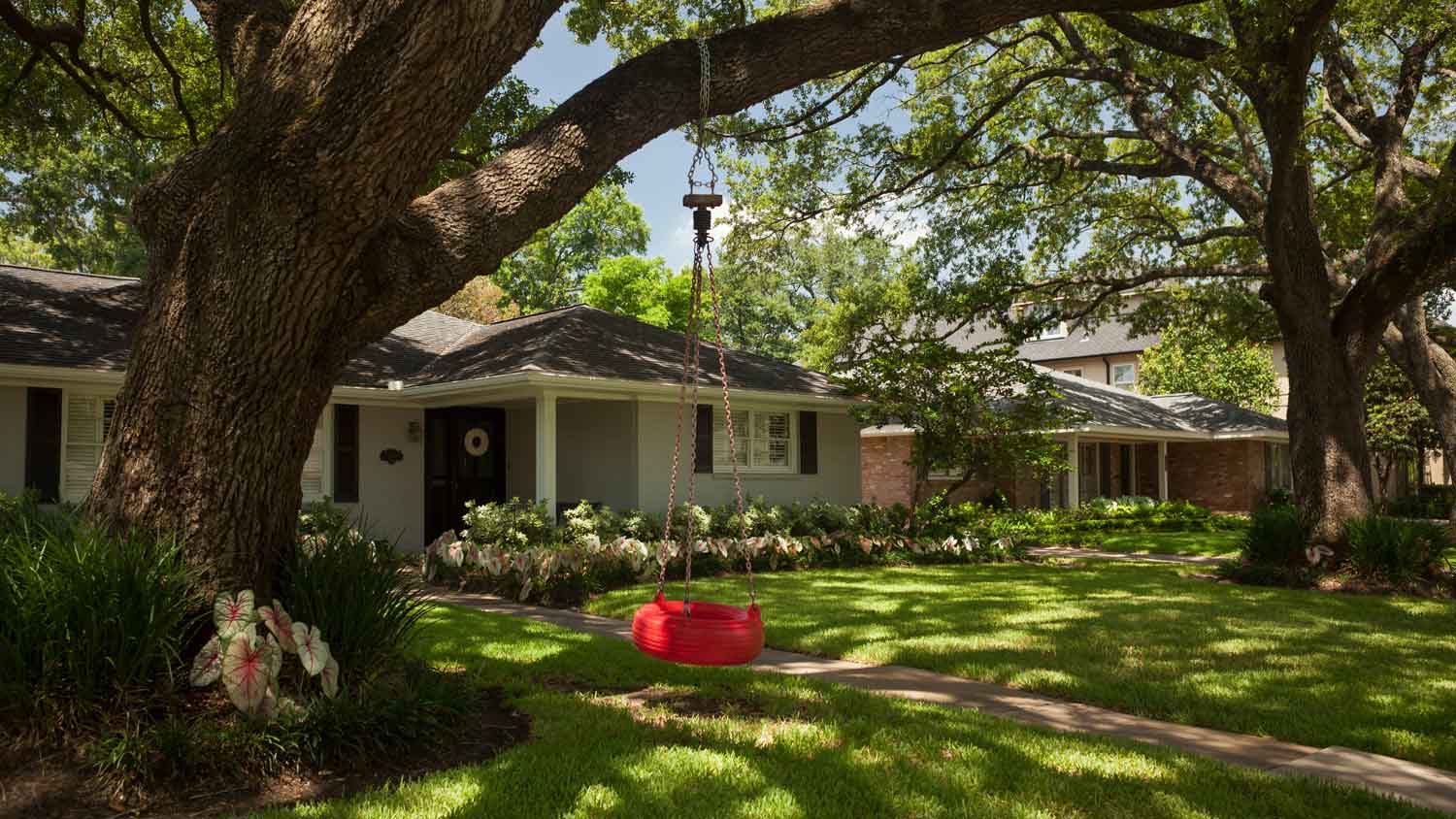
The best time to trim trees depends on the time of year, type of tree, and the phase of growth. This guide will tell you everything you need to know to keep your trees healthy.
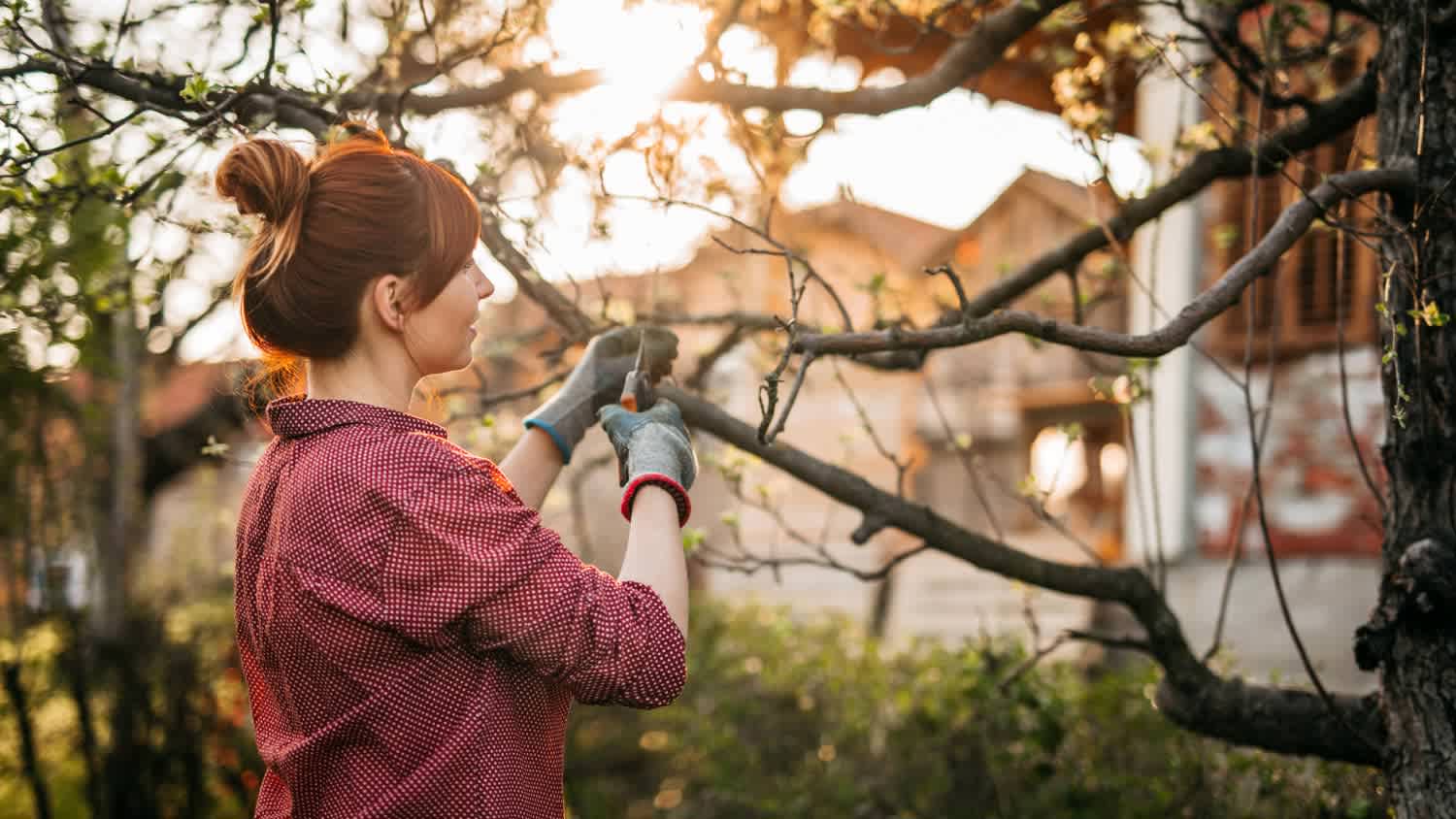
Whether you want to slow overgrowth or clean up the dying parts of a plant, pruning can perk up your landscape. Learn how to prune trees and plants.
Learn the benefits of pruning your trees and caring for them every spring, and why this process differs from harmful tree topping.
As a plant enthusiast, you’re likely somewhat familiar with pruning. But what is pruning and how do you do it the right way? Learn plant pruning 101 in this helpful guide.
The best pruning times depend on a tree’s blooming cycle, when it loses leaves, and how mild the winters are. But these are the worst times to prune a tree, and could even endanger its life.