




Top-rated fire pit installation pros.

Get matched with top fire pit installation pros in Imperial, MO

Enter your zip and get matched with up to 5 pros

Need a pro for your fire pit installation project in Imperial, MO?

Select your specific project to find the pro for you.

TRUSTED BY IMPERIAL, MO HOMEOWNERS

  • Average homeowner rating star icon4.4
    Average homeowner rating
  • Verified reviews icon670
    Verified fire pit installation services reviews

Find Fire pit installation pros in Imperial

No results for Fire pit installation pro in

Try adjusting your search criteria.
Fire Pit Installation questions, answered by experts

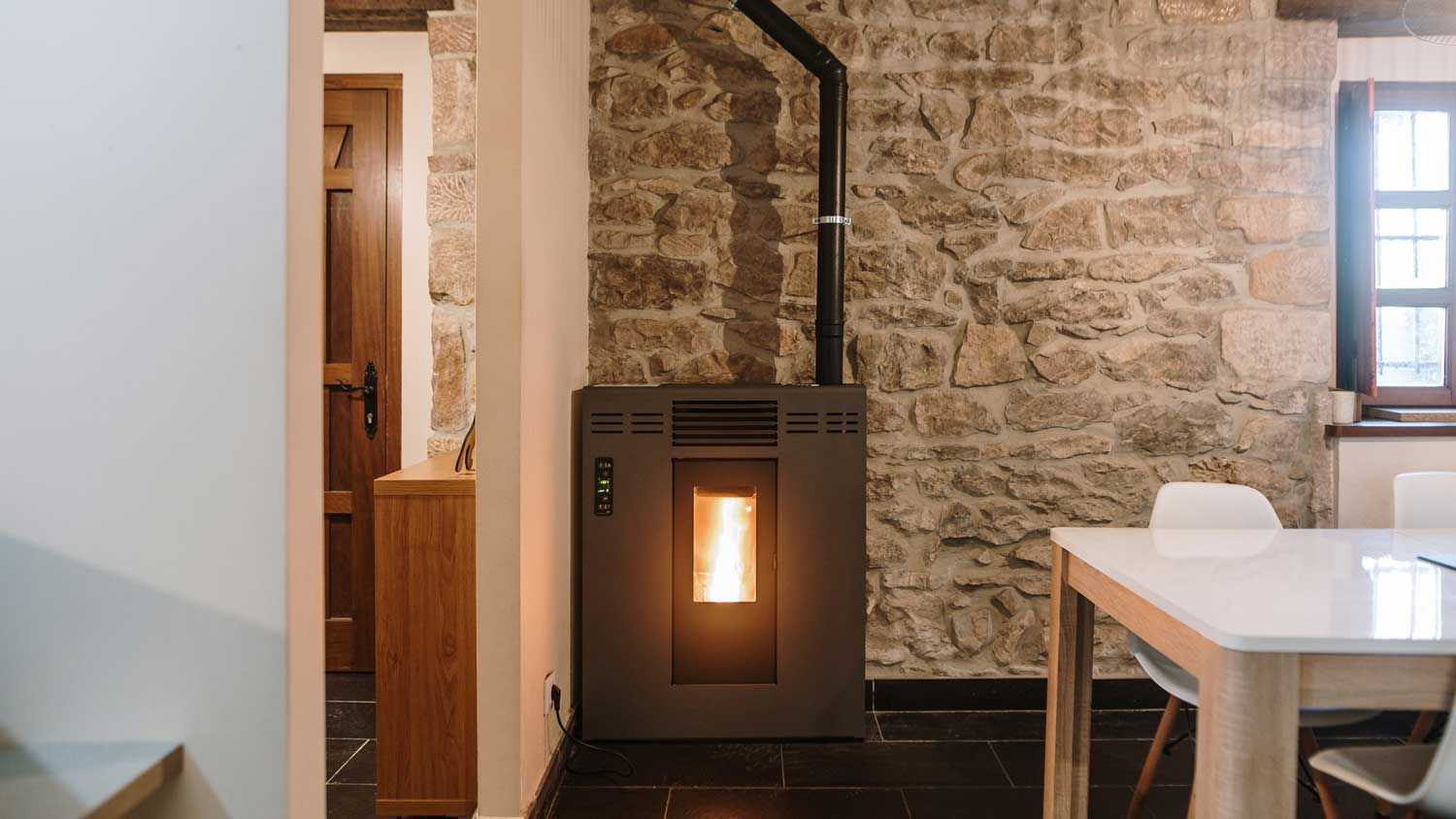
Yes. It’s okay to leave a pellet stove on overnight, and these stoves can provide 24 to 48 hours of warmth from one ignition. However, you should practice proper pellet stove maintenance, like cleaning the burn pot before each use, deep cleaning the unit at least once per year, and running the fan when the stove is lit.

Yes, a chimney damper is necessary. It controls airflow in and out of your fireplace, helping to retain heat when closed and allowing smoke to escape when open. Without a damper, your home could lose warmth during cold months, leading to higher energy bills. It also helps prevent downdrafts and keeps animals or debris from entering the chimney. In short, it’s essential for efficiency and safety.

You should change the batteries in your smoke detectors at least once per year. Mark it on your calendar or make it a holiday or birthday tradition so that you always remember it. You should also be testing your smoke alarms monthly to ensure they’re working properly and can alert you in case of an emergency.

After a house fire, you should not reenter your home unless the fire crew has told you it’s safe to do so. In the longer term, you should not attempt to make repairs to the house on your own. Professional crews are trained to clean up after a fire (including smoke and soot damage), dry out any water damage from the firefighter crews, and make the necessary structural, plumbing, and electrical repairs—and this is all likely covered by insurance.

No, but they both serve distinct life-saving purposes. Smoke detectors primarily sense the presence of smoke, typically caused by a fire, and emit loud alarms to alert occupants to evacuate. In contrast, carbon monoxide detectors monitor the levels of carbon monoxide gas, an odorless and colorless but deadly substance produced by incomplete combustion of fuels. When CO levels become dangerous, CO detectors sound alarms to warn inhabitants of potential poisoning risks. 

The Imperial, MO homeowners’ guide to fire pit installation services

From average costs to expert advice, get all the answers you need to get your job done.