





Top-rated electricians.

Get matched with top electricians in Kissee Mills, MO

Enter your zip and get matched with up to 5 pros

Need a pro for your electrical service project in Kissee Mills, MO?

Select your specific project to find the pro for you.

TRUSTED BY KISSEE MILLS, MO HOMEOWNERS

  • Average homeowner rating star icon4.6
    Average homeowner rating
  • Verified reviews icon34
    Verified electrical services reviews

Find Electricians in Kissee Mills

Avatar for Sundberg Industries, LLC
Sundberg Industries, LLC
4.8(
12
)
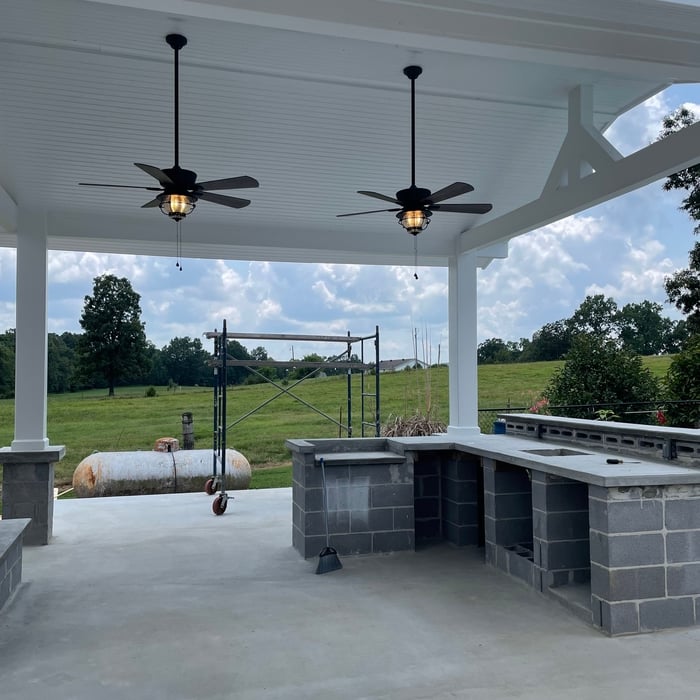
Electrical Switches, Outlets & Fixtures - Install or RepairElectrical Wiring or Panel UpgradeCeiling Fan - Install+10 more

Serving Kissee Mills, MO and surrounding areas

Approved

Super Service Award Winner

In business since 2017

Free estimates

Emergency services offered

"Great experience! Showed up the day after posted the project. We had an electrical problem in the garage that a handyman couldn't figure out. Great communication, very friendly and professional. Described the cost prior to coming out. Was patient in looking for the problem. Found the problem (it was a faulty outdoor plug that knocked out the garage door openers). Fixed the problem and replaced another outdoor plug. Great experience-highly recommend."
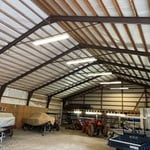
Commercial Retail Lighting
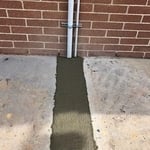
Concrete Covered Electrical Trench
Indoor Lighting
Indoor Lighting Control Panel
Indoor Commercial Lighting

+6

Response time6 hrs
Response rate94%
19 neighbors recently requested a quote
Avatar for Donohue's Lightning Rods
Donohue's Lightning Rods
4.3(
70
)
Lightning Protection - Install or Repair

Serving Kissee Mills, MO and surrounding areas

Approved

In business since 1971

Free estimates

Emergency services offered

"We were contacted immediately regarding adding a lightning protection system on our home. Seamus was very thorough and knowledgeable regarding our concerns. He and his crew showed up and were very professional and efficient. We are very pleased with the installation and highly recommend Donahue’s."
Jobs from the last 3 year
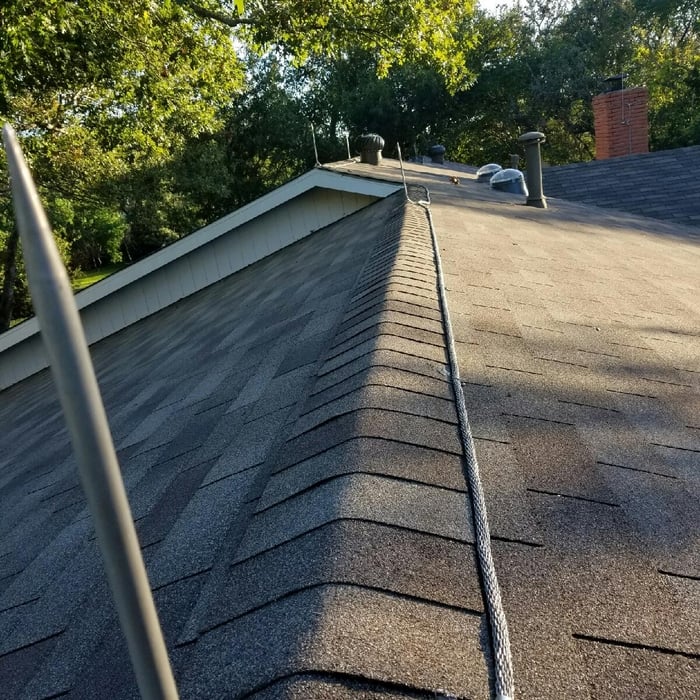
Lightning protection

+10

Response time1 day
75 neighbors recently requested a quote
Recommended by96%of homeowners
Zebros Enterprises LLC
5.0(
1
)
Electrical Wiring or Panel UpgradeElectrical Wiring or Panel Upgrade - For BusinessElectrical for Addition or Remodel - Install - For Business+3 more

Serving Kissee Mills, MO and surrounding areas

Approved

In business since 2021

Free estimates

Credit card accepted

We offer over 10 years of experience in the electrical industry. We take on a wide range of electrical projects to include full installation for additions and remodels as well as wiring and panel upgrades and a variety of other jobs. We're committed to providing a personalized service for each individual project we take on & look forward to building strong, long-term relationships with our clients and guarantee your satisfaction.

Recommended by100%of homeowners
...
Showing 1-10 of 120
Electrical questions, answered by experts

If your microwave is on the fritz and you suspect the fuse has blown, you can check it to confirm it’s the source of the problem. Start by disassembling the panel and carefully checking the fuse filament or ceramic components. If your microwave uses a glass fuse, you’ll likely see discoloration and a melted filament. If your microwave contains a ceramic fuse, you’ll need to use a multimeter continuity tester to check if there’s continuity.

The key difference between a circuit breaker versus a surge protector is that circuit breakers shield your entire electrical system from overcurrents and faults, while surge protectors defend your electronic devices against voltage surges and spikes. A circuit breaker interrupts the flow of electricity in a circuit when it detects an overload or short circuit, protecting the wiring from damage and preventing fires. In contrast, a surge protector shields electronic devices from voltage spikes, such as those caused by lightning strikes or power surges, preventing damage to the device’s inner mechanics.

While washers and dryers do not require a GFCI (ground fault circuit interrupter) outlet to function properly, electrical codes often mandate their use for safety. The National Electrical Code (NEC) requires GFCI protection for all outlets within six feet of a water source. This means a washer and dryer must be plugged into a GFCI outlet if they are installed in locations like a laundry room, utility room, garage, or basement. In other areas without a nearby water source, there is no specific requirement, but using a GFCI outlet is still recommended for extra peace of mind. It is always best to consult your local codes and regulations to ensure compliance and safety.

The easiest way to determine the amperage of your electrical outlets is to check the corresponding breaker in your home’s breaker panel. The number is likely noted on the circuit breaker. If that fails, it’s possible to tell 15-amp and 20-amp outlets apart by looking at them. Fifteen-amp outlets have two vertical holes, while 20-amp outlets have one vertical hole and one T-shaped hole. 

Most upgrades take 1-5 days, depending on building size and wiring complexity.

The Kissee Mills, MO homeowners’ guide to electrical services

From average costs to expert advice, get all the answers you need to get your job done.