




Top-rated electricians.

Get matched with top electricians in Kimberling City, MO

Enter your zip and get matched with up to 5 pros

Need a pro for your electrical service project in Kimberling City, MO?

Select your specific project to find the pro for you.

TRUSTED BY KIMBERLING CITY, MO HOMEOWNERS

  • Average homeowner rating star icon4.4
    Average homeowner rating
  • Verified reviews icon134
    Verified electrical services reviews

Find Electricians in Kimberling City

Avatar for Sundberg Industries, LLC
Sundberg Industries, LLC
4.8(
12
)
Electrical Switches, Outlets & Fixtures - Install or RepairElectric Vehicle Charging Station Installation - Materials Provided by ConsumerElectrical Wiring or Panel Upgrade+10 more

Serving Kimberling City, MO and surrounding areas

Approved

Super Service Award Winner

In business since 2017

Free estimates

Emergency services offered

"Great experience! Showed up the day after posted the project. We had an electrical problem in the garage that a handyman couldn't figure out. Great communication, very friendly and professional. Described the cost prior to coming out. Was patient in looking for the problem. Found the problem (it was a faulty outdoor plug that knocked out the garage door openers). Fixed the problem and replaced another outdoor plug. Great experience-highly recommend."
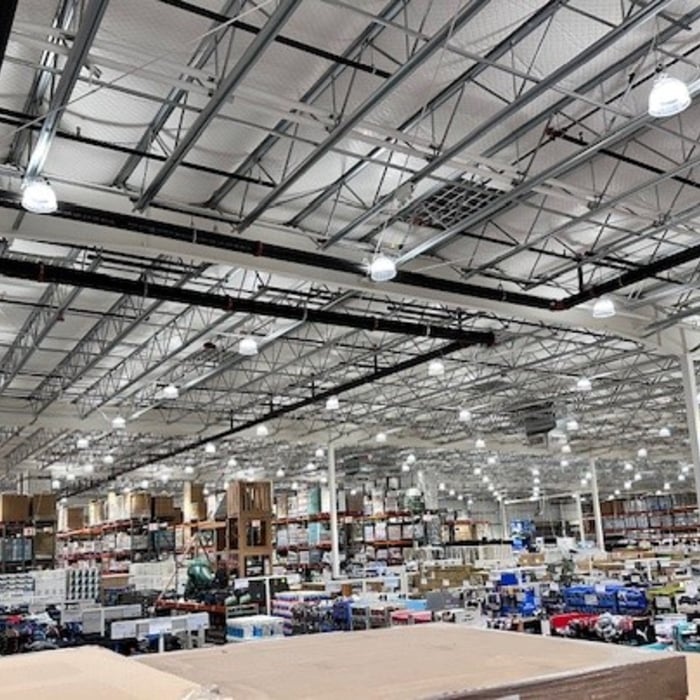
Commercial Retail Lighting
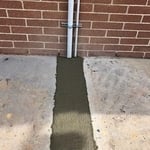
Concrete Covered Electrical Trench
Indoor Lighting
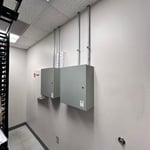
Indoor Lighting Control Panel
Indoor Commercial Lighting

+6

Response time6 hrs
Response rate94%
15 neighbors recently requested a quote
Avatar for Donohue's Lightning Rods
Donohue's Lightning Rods
4.3(
70
)
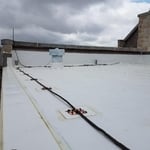
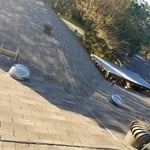
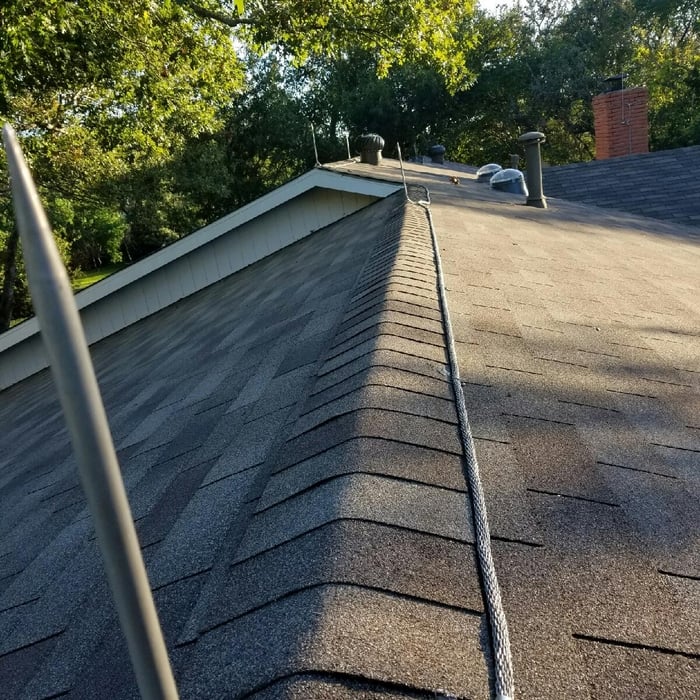
Lightning Protection - Install or Repair

Serving Kimberling City, MO and surrounding areas

Approved

In business since 1971

Free estimates

Emergency services offered

"We were contacted immediately regarding adding a lightning protection system on our home. Seamus was very thorough and knowledgeable regarding our concerns. He and his crew showed up and were very professional and efficient. We are very pleased with the installation and highly recommend Donahue’s."
Jobs from the last 3 year
Lightning protection

+10

Response time1 day
97 neighbors recently requested a quote
Recommended by96%of homeowners
...
Showing 1-10 of 128
Electrical questions, answered by experts

Local building codes typically require conduit around exterior wiring. Conduit protects the wire from moisture, extreme temperatures, sun exposure, and harsh weather conditions to prolong its lifespan. When a wire is worn out, it can be dangerous as the risk of electric shock or fire increases.

While circuit breakers are designed to be reset after tripping, there isn't a strict countdown to when they will fail. The primary danger lies in a breaker tripping multiple times in a short period without allowing the components to cool down. Theoretically, a standard breaker might handle around 50 trips caused by simple overloading. However, this number can be much lower in practice. For instance, a high-current fault could damage a breaker to the point that it needs replacement after only two resets. Repeatedly resetting a breaker that trips frequently exacerbates the underlying problem by causing the electrical components, wires, and the breaker itself to overheat. This can lead to permanent damage, cause the breaker to trip unnecessarily in the future, and increase the risk of an electrical fire. If a breaker trips every few minutes, you should leave it in the 'off' position and call a qualified electrician for an inspection.

It’s recommended that you test GFCI outlets monthly with the test and reset buttons. At minimum, you should test GFCI outlets when entering a new season, or every three months. These are important home safety features that you should ensure work properly.

If you find the power cables for your appliances are too short, there are ways to extend them for the cost of just the extra wiring you need. Simply cut and strip your wires, solder them together, and cover them using heat shrink tubing. Not everyone has a soldering tool on hand, so if you’re looking to extend in a pinch, an extension cord, power bar, or surge protector can do the job just fine.

The most common gauge for indoor outlets around your home is 12- and 14-gauge wires. But if you’re working with larger appliances like ovens, washing machines, or dryers (all of which require more amplitude), you might find 10-, eight-, or six-gauge wires to help support those hefty appliances.

The Kimberling City, MO homeowners’ guide to electrical services

From average costs to expert advice, get all the answers you need to get your job done.