







Top-rated arborists.

Get matched with top arborists in Richland, MO

Enter your zip and get matched with up to 5 pros

Need a pro for your arboricultural service project in Richland, MO?

Select your specific project to find the pro for you.

TRUSTED BY RICHLAND, MO HOMEOWNERS

  • Average homeowner rating star icon4.4
    Average homeowner rating
  • Verified reviews icon82
    Verified arboricultural services reviews

Find Arborists in Richland

D&C Tree services - Facebook
4.5(
1
)
Tree RemovalTree Stump - RemoveTree Trimming

Serving Richland, MO and surrounding areas

Approved

In business since 2019

Free estimates

Offers commercial services

"The company responded promptly and maintained their working schedule as promised. They fell short in the details of completion: not all of the the usable firewood of 6” and greater diameter was cut into 18” lengths as promised, requiring me to complete the job. Despite that, their prices were reasonable."
Recommended by100%of homeowners
Avatar for Ritzco Tree Care
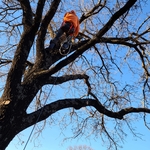
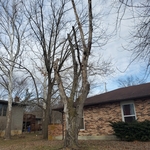
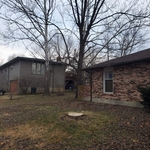
Ritzco Tree Care
4.7(
32
)
Tree RemovalTree Stump - RemoveTree Trimming

Serving Richland, MO and surrounding areas

In business since 2020

Free estimates

Emergency services offered

"Price quoted was double that of local competitors. That said, he was driving 30 miles to do the job, was very knowledgeable and professional, with great attention to detail. If there's any problem with my selected contractor, Ritzco Tree Care will get the job in spite of the price. All local tree services' prices were in the same ball park, about half of Ritzco. That might just be Waynesville contractors trying to keep Rolla contractors away. Ritzco's price was very close to what I expected for a licensed, insured, certified trees service employing at least one arborist. If that proves to not be true, as mentioned, I'll cancel the local contract and move to Ritzco."
RitzCo Tre Care
Rizco Tree Care
Before
After
Rtizco Tree Care

+1

Response time1 day
Response rate91%
Recommended by89%of homeowners
...
Showing 1-10 of 51
Arborists questions, answered by experts

If tree branches cross well into your property line, in many cases, these branches become part of your property, and you can trim them up until your neighbor’s property line. However, this issue will vary based on local ordinances, so you should do your research before making any decisions. Better yet, speak with your neighbor about how to handle any tree issues. 

If you don’t mind the branches, you can leave them be, but if they’re becoming a hazard, it’s definitely worth having a conversation.

Light-bark trees are most notorious for producing lots of sap when wounded. These varieties include maples, birches, poplars, dogwoods, magnolias, and elms, and they will bleed more when the trees are dormant. That’s why it’s a good idea to prune them in the summer months rather than waiting until winter.

If it’s your property, then you can plant a tree near power lines, but it’s not the best idea. Any vegetation that grows within 10 feet or so of power lines will fall under the responsibility of the utility company, and they may trim or remove it as necessary. If you do move forward with your plan, try to choose a smaller ornamental tree, plant it as far away from the power lines as you can, and keep it trimmed to avoid future problems.

Cutting down a tree next to power lines is never a DIY job, and it’s a good idea to contact your utility company first. In most cases, the utility company will need to take care of any tree problems within 10 to 15 feet of power lines. If you want to remove the tree for aesthetic reasons, hire a pro to do the job. Trying to cut trees near power lines yourself can create many safety hazards, and you could be liable if you inadvertently cause damage to electrical equipment.

There are several methods to hollow out a tree stump, and the best one depends on your tools, experience, and priorities. Common methods include using a chisel and hammer, a chainsaw, or burning.

  • Chisel and Hammer: This is often considered the easiest approach for those with limited tools or experience, though it is the most time-consuming.

  • Chainsaw: Using a chainsaw is the fastest method, but it comes with significant safety risks, especially for inexperienced users.

  • Burning: This can be an effective method, but it is not recommended unless you can first drill holes into the stump. Without holes, the stump will be difficult to light and may not burn completely through.

A power drill with at least a ⅜-inch diameter bit can make the job quicker and easier, regardless of the primary method. While you can use a chisel or chainsaw without a drill, it will require more time and effort. Always wear protective goggles and thick gloves, as splinters are an inevitable risk.

The Richland, MO homeowners’ guide to arboricultural services

From average costs to expert advice, get all the answers you need to get your job done.