






Top-rated arborists.

Get matched with top arborists in Crocker, MO

Enter your zip and get matched with up to 5 pros

Need a pro for your arboricultural service project in Crocker, MO?

Select your specific project to find the pro for you.

TRUSTED BY CROCKER, MO HOMEOWNERS

  • Average homeowner rating star icon4.3
    Average homeowner rating
  • Verified reviews icon93
    Verified arboricultural services reviews

Find Arborists in Crocker

D&C Tree services - Facebook
4.5(
1
)
Tree RemovalTree Stump - RemoveTree Trimming

Serving Crocker, MO and surrounding areas

Approved

In business since 2019

Free estimates

Offers commercial services

"The company responded promptly and maintained their working schedule as promised. They fell short in the details of completion: not all of the the usable firewood of 6” and greater diameter was cut into 18” lengths as promised, requiring me to complete the job. Despite that, their prices were reasonable."
Recommended by100%of homeowners
Avatar for Ritzco Tree Care
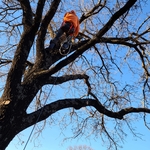
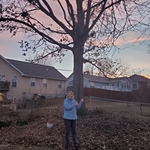
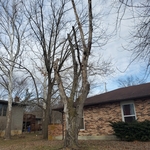
Ritzco Tree Care
4.7(
32
)
Tree RemovalTree Stump - RemoveTree Trimming

Serving Crocker, MO and surrounding areas

In business since 2020

Free estimates

Emergency services offered

"Price quoted was double that of local competitors. That said, he was driving 30 miles to do the job, was very knowledgeable and professional, with great attention to detail. If there's any problem with my selected contractor, Ritzco Tree Care will get the job in spite of the price. All local tree services' prices were in the same ball park, about half of Ritzco. That might just be Waynesville contractors trying to keep Rolla contractors away. Ritzco's price was very close to what I expected for a licensed, insured, certified trees service employing at least one arborist. If that proves to not be true, as mentioned, I'll cancel the local contract and move to Ritzco."
RitzCo Tre Care
Rizco Tree Care
Before
After
Rtizco Tree Care

+1

Response time1 day
Response rate91%
Recommended by89%of homeowners
Showing 1-10 of 44
Arborists questions, answered by experts

Any cutting of tree roots can hurt or kill a tree, which is why it's recommended you don’t do it unless the roots are damaging or invasive on a nearby structure like your home. You should never cut more than 15 percent of above-ground tree roots at one time. If you have any questions about cutting tree roots, contact your local arborist.

Most plum trees are pruned into a vase or open wine glass shape. They’ll have a shorter central leader (the trunk) that supports three to four main branches. Of course, this isn't always the case. If you have a European plum tree, you can grow it in a pyramid shape. Let the central leader extend the length of the tree and prune smaller branches to create the pyramid.

Yes, cutting a tree's roots can cause it to fall, particularly if major support roots are severed. In extreme cases, trimming roots can affect the tree's structure and stability. Many crucial roots are located just below the soil's surface. If you make severe cuts to roots more than 2 inches in diameter, you risk impacting the tree's water flow and its ability to withstand severe winds or storms. Even cutting roots less than half an inch in diameter under or outside the tree's canopy can cut off its water supply, causing it to decline, die, and eventually topple.

In most ways, palm trees are incredibly low-maintenance. They don’t need a ton of water—which is why they’re so beloved in desert regions—and they basically prune themselves. But they do need an ample supply of sunlight and to be in soil that will allow for proper drainage so that their roots don’t become waterlogged and at risk of developing illnesses.

If the plant begins to wilt, develop spots, or change color, these could all be signs that your palm tree has a disease. But a few basic treatments, like pruning and applying fungicide, will usually be more than enough to return it to perfect health.

It is possible to burn out a tree stump if it is dried out and in an area of your property with a large buffer. Drill holes in the stump and dig around the base so it burns more easily. Then, build a small campfire on top using kindling and firewood. You’ll need enough to keep the fire going for many hours to completely burn out the stump, especially if it’s large. 

Monitor the fire closely to ensure it doesn’t spread, and have a hose on hand if it starts to get out of control. When the fire is out, break apart the burned stump and dig out what’s left of it.  

If this sounds like a good option, learn more about how to burn a tree stump before attempting it, as it does come with risks.

The Crocker, MO homeowners’ guide to arboricultural services

From average costs to expert advice, get all the answers you need to get your job done.