




Top-rated arborists.

Get matched with top arborists in Lebanon, MO

Enter your zip and get matched with up to 5 pros

Need a pro for your arboricultural service project in Lebanon, MO?

Select your specific project to find the pro for you.

TRUSTED BY LEBANON, MO HOMEOWNERS

  • Average homeowner rating star icon4.8
    Average homeowner rating
  • Verified reviews icon46
    Verified arboricultural services reviews

Find Arborists in Lebanon

Avatar for Grass Hunters Lawn and Tree Service LLC
Grass Hunters Lawn and Tree Service LLC
5.0(
11
)

Serving Lebanon, MO and surrounding areas

Approved

Super Service Award Winner

In business since 2019

Free estimates

Credit card accepted

"Hunter and his crew were great! They took out about eight big trees in one day? Size them all up and hauled them all off too! Showed up when he said he was going to show up. The kid?s got a big heart and a strong back. I would certainly have them do more work for me."
Response time2 days
Response rate87%
2 neighbors recently requested a quote

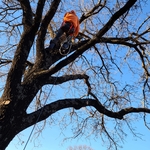
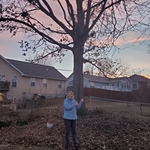
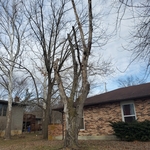
Avatar for Ritzco Tree Care
Ritzco Tree Care
4.7(
32
)

Serving Lebanon, MO and surrounding areas

In business since 2020

Free estimates

Emergency services offered

"These two guys were great did all my trees and cleaned up even did extra cleanup will hire them again. Have there number in my phone book. Thank you"
RitzCo Tre Care
Rizco Tree Care
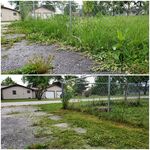
Before
After
Rtizco Tree Care

+1

Response time1 day
Response rate91%
Recommended by89%of homeowners
Showing 1-10 of 48
Arborists questions, answered by experts

Whether tree roots will continue to grow after a tree has been cut down depends on the species. Some tree roots will eventually die because they can no longer get nutrients through photosynthesis. However, other species that reproduce through root sprouts can continue to grow and produce new sprouts for seven years or more. For example, the roots of elms, ficus, and willows tend to regrow aggressively, while the roots of pines, oaks, and maples will typically die. To determine if a root system is still active, look for new sprouts on the old trunk, stump, or any exposed roots.

You need to remove all branches affected by Dutch elm disease. If your tree has several affected branches, you will probably need to remove the entire tree. First, consult a pro to be sure that you’ve correctly identified it as an elm tree. Make sure the tree is properly disposed of with a plastic covering or through debarking, chipping, or burning.

Finding a reliable arborist starts with researching specialists in your area and checking their licensing and certifications. Use online resources like the Better Business Bureau (BBB) to conduct research on each company. Next, contact the arborist and ask the following questions to see whether they are the right fit for your project:

  • Do you handle or specialize in dealing with the issue I’m having?

  • Are you fully insured?

  • Do you have customer references I can call?

  • Do you have any third-party certifications?

  • What equipment and strategies do you plan to use?

Transplanting a palm tree is a similar process except for a couple of important differences. First, their root ball doesn’t need to be as large as a “true” tree, which makes them a bit easier to dig up and move around. Second, they struggle more with taking root and staying upright in a new location, so it’s important to give them extra support when staking. 

When a palm tree no longer produces new fronds and old fronds start turning yellow-brown, that’s a sign the tree is dying. However, transplanted palm trees can show these signs for the first several months as they re-establish themselves. It’s best to keep watering and not give up on the palm tree until a couple of seasons have passed and you’re sure it’s not coming back to life.

The Lebanon, MO homeowners’ guide to arboricultural services

From average costs to expert advice, get all the answers you need to get your job done.