





Top-rated radon detection and reduction specialists.

Get matched with top radon detection and reduction specialists in Farmington, MO

Enter your zip and get matched with up to 5 pros

Need a pro for your radon detection and reduction project in Farmington, MO?

Select your specific project to find the pro for you.

Find Radon detection and reduction specialists in Farmington

Avatar for Metro Radon Control of St. Louis, LLC
Metro Radon Control of St. Louis, LLC
4.9(
171
)

Serving Farmington, MO and surrounding areas

In business since 2011

Free estimates

Emergency services offered

"He was very professional and courteous. He brought a radon gas monitor in my home to test radon levels and he said that everything was okay. And I didn’t have a problem with radon."
Response time6 hrs
Recommended by99%of homeowners

Avatar for SWAT Environmental, Inc.
SWAT Environmental, Inc.
4.5(
52
)

Serving Farmington, MO and surrounding areas

In business since 1988

Free estimates

Credit card accepted

"I would definitely recommend this company to anyone!!! I hired them and the job was done nicely, Dan O'Brien was the technician who took care of the project and he did an excellent job, he answered all of my questions and explained to me everything related to Radon gas. When he finished setting everything up and the job was completed all the working area looked super clean and the installation looks just like it is part of the house and that has been there forever. This is what I call a Perfect and Complete execution of a Radon gas mitigation project."
Recommended by97%of homeowners
Avatar for Loving Mold Removal
Loving Mold Removal
4.6(
26
)

Serving Farmington, MO and surrounding areas

In business since 2019

Free estimates

Emergency services offered

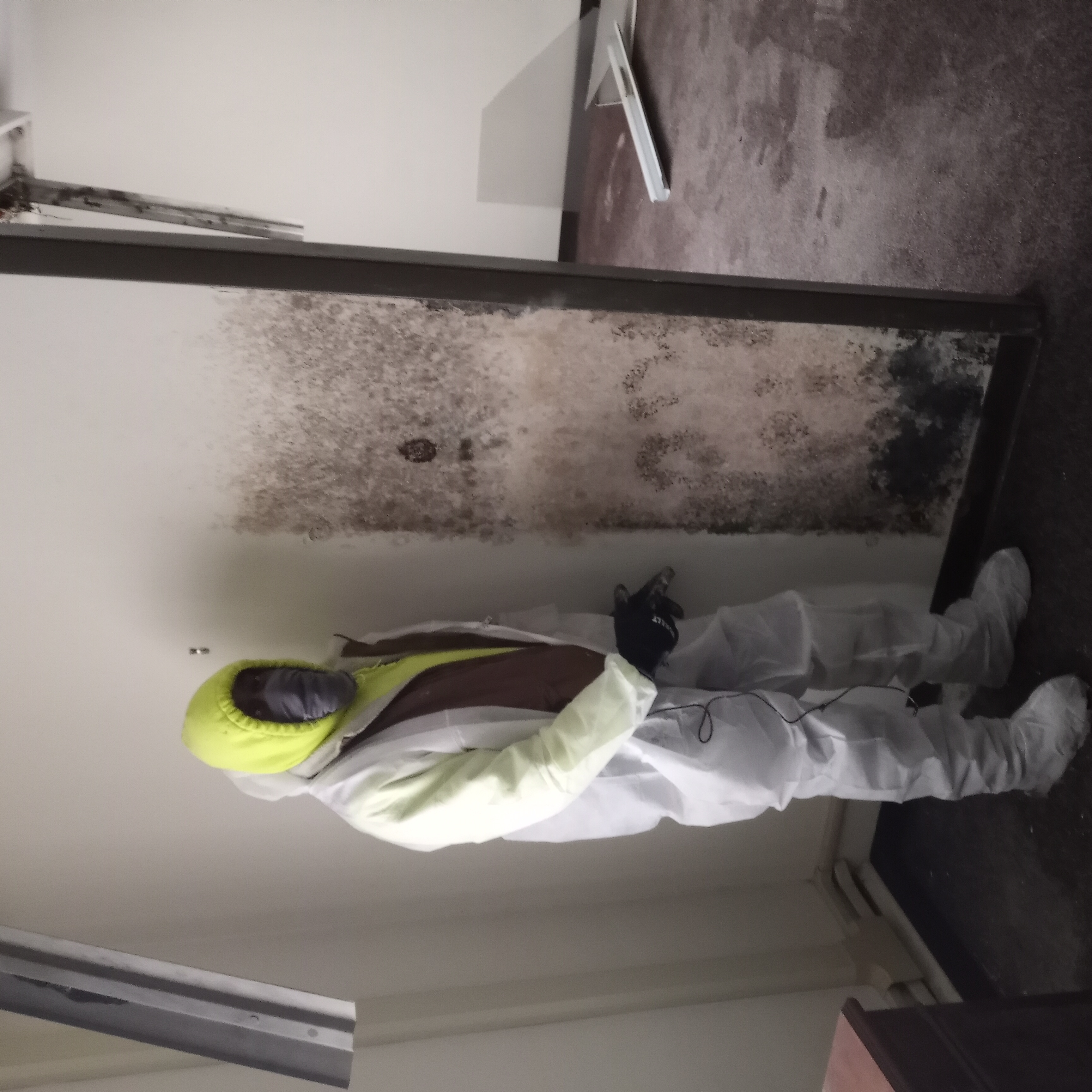
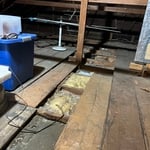
"Ken did a great job of protecting the area from drywall dust by hanging plastic sheeting and using negative pressure vacuum system. Ken was very accommodating and helped advise on the best approach. Price was reasonable for the work performed but a bit higher than the original rough estimate. I would look for a formal estimate and contract for the next phase of work and expect to higher K&E Demo again."
Mold Testing and Remediation Project
Additional Photos
Additional Photos
Additional Photos
Additional Photos

+43

Recommended by87%of homeowners
Municipal Environmental Services
New to Angi

Serving Farmington, MO and surrounding areas

In business since 2025

Free estimates

Offers commercial services

We pride our company on reliability, great communication, integrity, and quality work. We are experts in our trade and will do our best to keep you as educated as we can on your particular task or project. We look forward to earning your business! Book with us online or feel free to give us a call today!

7 neighbors recently requested a quote
Radon Detection and Reduction questions, answered by experts

If high radon levels are detected, steps include sealing entry points, installing a mitigation system, and retesting the air regularly to ensure reduced levels.

No level of radon is technically safe, but since it is present everywhere, complete avoidance is impossible. The average radon level in homes across the United States is 1.3 picocuries per liter (pCi/L). The Environmental Protection Agency (EPA) recommends taking preventative measures if your home's radon levels are between 2 and 4 pCi/L or higher.

Many radon fans carry a five-year manufacturer's warranty. That said, your radon fan should last between five and ten years. Regular inspections will ensure the fan is operating properly. Unusual or exceptional noise coming from the fan or indications on your manometer or system monitor can immediately tell you that something is amiss.

Ideally, no one will live in a house with elevated radon levels, as prolonged exposure increases the risk of serious health issues like lung cancer. However, homes with radon can be made safe through mitigation systems, such as active soil depressurization. Testing for radon regularly and addressing high levels helps ensure a safe living environment.

The soil beneath your house is most likely what’s causing an increased level of radon. This is because soil holds radioactivity for a long time and it’s also what most buildings are built on. Another common source of radon is water from a source that hasn’t been through periodic radon tests, such as well water. Over time, the radon from the soil can inhabit other parts of your house like the foundation or plumbing.

The Farmington, MO homeowners’ guide to radon detection and reduction services

From average costs to expert advice, get all the answers you need to get your job done.