



Top-rated radon detection and reduction specialists.

Get matched with top radon detection and reduction specialists in Potosi, MO

Enter your zip and get matched with up to 5 pros

Need a pro for your radon detection and reduction project in Potosi, MO?

Select your specific project to find the pro for you.

Find Radon detection and reduction specialists in Potosi

Avatar for Scope Environmental
Scope Environmental
5.0(
15
)
Radon Gas - Testing

Serving Potosi, MO and surrounding areas

In business since 2023

Free estimates

Small jobs welcome

"I used Scope Environmental recently to test floor tile and the underlying mastic to determine if either contained asbestos. I selected Scope because Jeff was very responsive, professional, independent of the abatement companies and his price was competitive. Jeff suggested testing both the tiles and mastic. The tiles tested positive for asbestos but the mastic contained no asbestos. As a result, I saved considerable expense by abating the tiles only and not the mastic so I also used Scope again for the post abatement air testing rather than the abatement company. I would hire Scope again for material and air testing for asbestos, mold or any other potentially toxic materials."
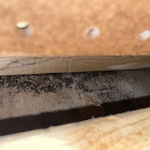
Black mold inside closet
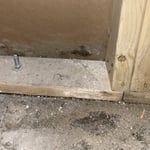
Mold growth in HVAC Closet
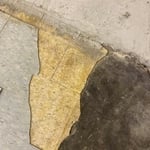
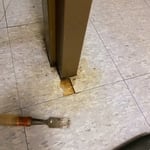
Asbestos Flooring
Floor sample collection
Asbestos Adhesive

+10

Response time4 hrs
Response rate96%
Recommended by73%of homeowners
Radon Detection and Reduction questions, answered by experts

The cost to replace a radon fan ranges from $300 to $600 for the fan itself, with installation adding an additional $200 to $500. Overall, the total cost for replacement can range from $500 to $1,100, depending on factors such as the fan model, home size, and local labor rates. If the fan is part of a larger radon mitigation system, the price may be higher.

Abatement includes sealing entry points and venting with systems that reduce radon levels below recommended EPA limits. It is handled by certified professionals.

You'll need to test your home for radon after installing the mitigation system, then again every two years. If radon remains elevated, contact a licensed radon professional, either the contractor who installed the system or a different one, and have them evaluate the system. They may need to make some changes to improve its effectiveness and performance.

The natural breakdown of uranium in soil, rock, and water can cause radon to appear in a home. The gas seeps into homes through cracks in foundations, walls, or floors, as well as through gaps around pipes or construction joints. Radon levels are influenced by soil composition, building materials, and ventilation. Poorly sealed or airtight homes can trap radon, allowing it to accumulate.

If your home has a sump pit, you can integrate it with a radon mitigation system. You can accomplish this by sealing the pump cover with an airtight lid that accommodates radon vent pipes and sump pump hoses. This allows the vent pipe to redirect the radon gas outside of your home.

The Potosi, MO homeowners’ guide to radon detection and reduction services

From average costs to expert advice, get all the answers you need to get your job done.