



Top-rated radon detection and reduction specialists.

Get matched with top radon detection and reduction specialists in Park Hills, MO

Enter your zip and get matched with up to 5 pros

Need a pro for your radon detection and reduction project in Park Hills, MO?

Select your specific project to find the pro for you.

Find Radon detection and reduction specialists in Park Hills

Avatar for Scope Environmental
Scope Environmental
5.0(
15
)
Radon Gas - Testing

Serving Park Hills, MO and surrounding areas

In business since 2023

Free estimates

Small jobs welcome

"I used Scope Environmental recently to test floor tile and the underlying mastic to determine if either contained asbestos. I selected Scope because Jeff was very responsive, professional, independent of the abatement companies and his price was competitive. Jeff suggested testing both the tiles and mastic. The tiles tested positive for asbestos but the mastic contained no asbestos. As a result, I saved considerable expense by abating the tiles only and not the mastic so I also used Scope again for the post abatement air testing rather than the abatement company. I would hire Scope again for material and air testing for asbestos, mold or any other potentially toxic materials."
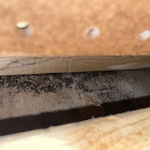
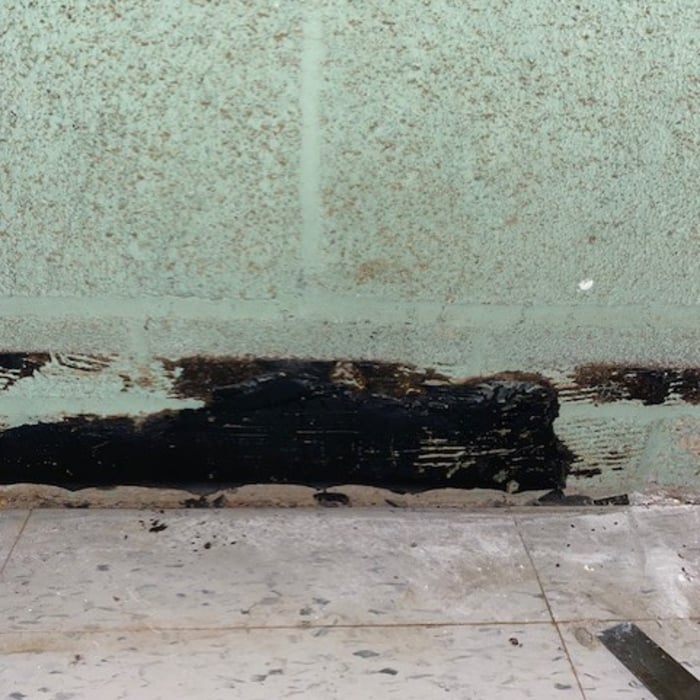
Black mold inside closet
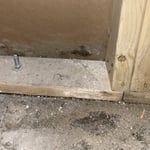
Mold growth in HVAC Closet
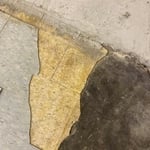
Asbestos Flooring
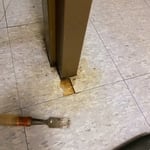
Floor sample collection
Asbestos Adhesive

+10

Response time4 hrs
Response rate96%
Recommended by73%of homeowners
Municipal Environmental Services
New to Angi
Radon Gas - Testing

Serving Park Hills, MO and surrounding areas

In business since 2025

Free estimates

Offers commercial services

We pride our company on reliability, great communication, integrity, and quality work. We are experts in our trade and will do our best to keep you as educated as we can on your particular task or project. We look forward to earning your business! Book with us online or feel free to give us a call today!

7 neighbors recently requested a quote
Radon Detection and Reduction questions, answered by experts

You can vent radon out of your house sometimes by simply opening a window, but it won’t remove the source, and will likely rise above recommended levels quickly. A professional will be needed to assess your home, and determine the best strategy for radon removal. Active radon sump pumps and soil depressurization systems are often used to forcefully vent the radon from your home.

There are steps you can take as a homeowner to remediate radon yourself. While a radon reduction professional can make the biggest impact in your home, you can make efforts to improve radon levels on your own by sealing cracks, increasing ventilation, and testing for radon regularly.

Radon enters your home when warm air begins to rise and exits through the roof, creating a vacuum that pulls cooler air from under the foundation. Part of that air is radon, which is an invisible, odorless gas that develops naturally when radioactive particles are deep within the ground. Those particles usually come from decaying matter in soil and rocks.

No level of radon is technically safe, but since it is naturally present everywhere, it is impossible to avoid entirely. The average radon level in homes across the United States is 1.3 picocuries per liter (pCi/L). The Environmental Protection Agency (EPA) recommends taking action to reduce radon levels if your home's test results are between 2 and 4 pCi/L or higher.

The cost for a radon mitigation system typically ranges from $800 to $1,500, with an average around $1,000. The final price depends on several factors, including the size of your home, the severity of the radon issue, and the type of system required. Your home's foundation type also significantly impacts the cost. For example, sealing and ventilating an unfinished basement might cost around $4,600, while encapsulating a crawl space without a foundation slab can range from $1,500 to $15,000.

The Park Hills, MO homeowners’ guide to radon detection and reduction services

From average costs to expert advice, get all the answers you need to get your job done.