





Top-rated radon detection and reduction specialists.

Get matched with top radon detection and reduction specialists in Leadwood, MO

Enter your zip and get matched with up to 5 pros

Need a pro for your radon detection and reduction project in Leadwood, MO?

Select your specific project to find the pro for you.

Find Radon detection and reduction specialists in Leadwood

Avatar for Scope Environmental
Scope Environmental
5.0(
15
)
Radon Gas - Testing

Serving Leadwood, MO and surrounding areas

In business since 2023

Free estimates

Small jobs welcome

"I used Scope Environmental recently to test floor tile and the underlying mastic to determine if either contained asbestos. I selected Scope because Jeff was very responsive, professional, independent of the abatement companies and his price was competitive. Jeff suggested testing both the tiles and mastic. The tiles tested positive for asbestos but the mastic contained no asbestos. As a result, I saved considerable expense by abating the tiles only and not the mastic so I also used Scope again for the post abatement air testing rather than the abatement company. I would hire Scope again for material and air testing for asbestos, mold or any other potentially toxic materials."
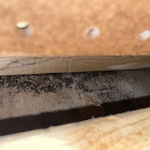
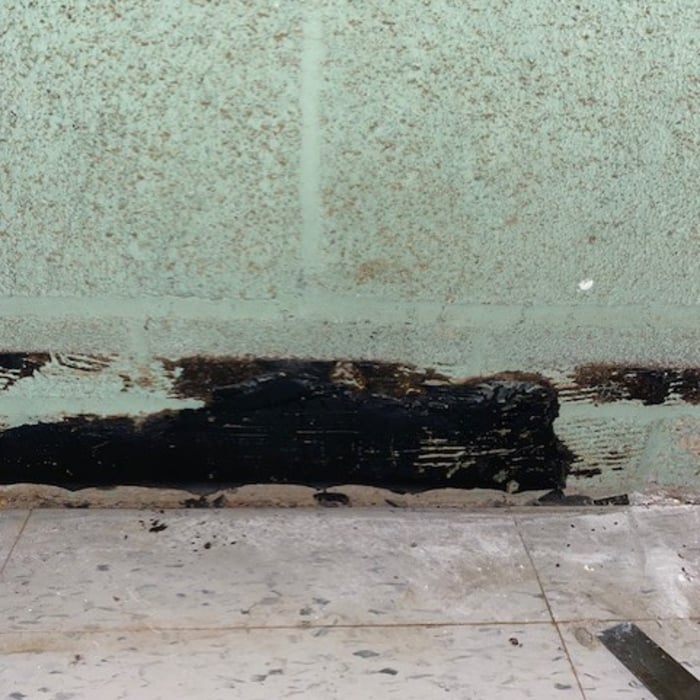
Black mold inside closet
Mold growth in HVAC Closet
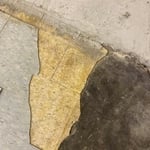
Asbestos Flooring
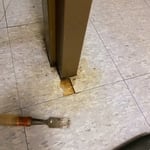
Floor sample collection
Asbestos Adhesive

+10

Response time4 hrs
Response rate96%
Recommended by73%of homeowners
Radon Detection and Reduction questions, answered by experts

Long-term exposure increases lung cancer risks. Prolonged homestay individuals and smokers encounter heightened vulnerability and exposure concerns.

Radon enters your home when warm air begins to rise and exits through the roof, creating a vacuum that pulls cooler air from under the foundation. Part of that air is radon, which is an invisible, odorless gas that develops naturally when radioactive particles are deep within the ground. Those particles usually come from decaying matter in soil and rocks.

If high radon levels are detected, steps include sealing entry points, installing a mitigation system, and retesting the air regularly to ensure reduced levels.

The lifespan of a radon mitigation system depends on the type of system and its maintenance. With proper care, a system can last for many decades. Passive systems tend to last longer as they have fewer components that require replacement. Active systems, which have more moving parts like fans, generally have a shorter lifespan. For instance, water filtration devices and active pressurization systems require more frequent maintenance. While the system as a whole is durable, the radon fan in an active system typically has a lifespan of 5 to 10 years and will need to be replaced. As long as the fan is working, the mitigation system should function correctly.

While DIY testing is possible, abatement generally requires professional installation to ensure efficacy and meet safety standards.

The Leadwood, MO homeowners’ guide to radon detection and reduction services

From average costs to expert advice, get all the answers you need to get your job done.