





Top-rated plaster repair specialists.

Get matched with top plaster repair specialists in Dearborn, MO

Enter your zip and get matched with up to 5 pros

Need a pro for your plaster repair project in Dearborn, MO?

Select your specific project to find the pro for you.

TRUSTED BY DEARBORN, MO HOMEOWNERS

  • Average homeowner rating star icon4.8
    Average homeowner rating
  • Verified reviews icon16
    Verified plaster repairs reviews

Find Plaster repair specialists in Dearborn

Phil's Plastering & Painting
3.8(
212
)
Plaster - InstallPlaster - Install - For BusinessPlaster - Repair+1 more

Serving Dearborn, MO and surrounding areas

In business since 1999

Free estimates

Emergency services offered

"

Phil is a winner! After we selected him to do a deck cleaning and restoration project, he met with us to see first-hand what was needed and explained the options clearly in a way that was easy to understand. With the details confirmed, he worked with us on dates, weather contingencies, and projected a completion date. As the work began, Phil noticed that many boards needed to be re-nailed, and worked around that area, taking care of that after I zipped to the hardware store and got the ones he specified. After he finished the work and the deck had time to completely dry, it looked fabulous--almost like new! Phil's workmanship is outstanding, as is his communication and friendly attitude.

 Shortly after this work was done, we hired Phil to replace a 4x4 ceiling in a sort of pantry/closet off the kitchen. Again, Phil's expertise in drywall repair and painting resulted in a great-looking ceiling that exceeded our expectations.

 I highly recommend Phil for any home repair or improvement project you may have which is on his "can-do" list. He's a friendly, skilled professional who can get 'er done for you!     

"
Recommended by80%of homeowners
Avatar for Continental Siding Supply
Continental Siding Supply
4.8(
605
)
Plaster - InstallPlaster - Install - For BusinessPlaster - Repair+1 more

Serving Dearborn, MO and surrounding areas

In business since 1982

Free estimates

Emergency services offered

"Needed to replace and repair lots of rotten wood, and peeling paint on the house. looked at several options, and Continental worked hard to earn my business. They made a great sell, and provided financing that worked within my budget. It may have taken a while to get the actual work started (due in part to the COVID pandemic slowing everything down) but they called me every two weeks with an update on my position in line. The house looks fantastic, and I never need to worry about rotten siding again. Would highly recommend."
Before and After
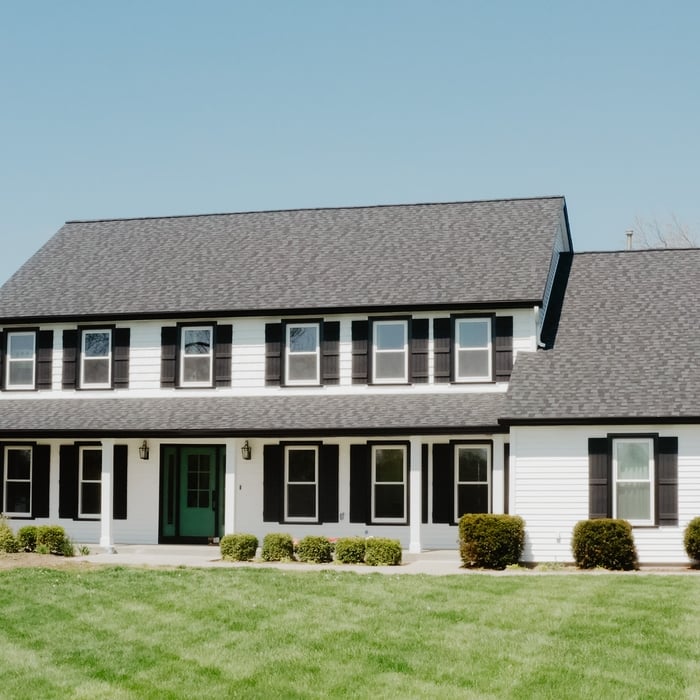
Classic Meets Modern Farmhouse

+28

Recommended by97%of homeowners
Showing 1-10 of 42
Plaster Repair questions, answered by experts

Plaster is a pretty tough surface, but it can still sustain damage from things like bumping against it, water issues, dampness, extreme humidity changes, and plain old age. Most plaster walls last hundreds of years and will only be taken down to the base layer when major repairs are required. Being cautious around the wall, not placing furniture against it, and ensuring stable humidity are all great ways to reduce possible damage.

Although they are used for similar tasks, spackle and joint compound are not the same. Joint compound, also known as drywall mud, consists of limestone and gypsum and is primarily used for large-scale projects like taping and finishing seams on new drywall. Spackle is composed of gypsum and binding agents, making it a thicker compound best suited for small wall repairs like filling nail holes or cracks, as it dries quickly and is easy to sand. For small repairs, either product can be suitable. However, you can use joint compound for small jobs in place of spackle, but you cannot use spackle for large-scale taping and mudding projects.

If your home was built before the 1940s and was not remodeled in the past 50 or so years, you probably have plaster walls. Aside from assuming, there are some practical ways to tell if you have plaster walls, including the following: If you knock on the wall and it feels solid, not hollow, if you can’t insert a thumbtack easily, if there are cracks that look like spiderwebs, or if your home has curved, arched, or swirled walls, doorways, or window openings.

If you have an unfinished basement or attic, you could examine the backs of any finished walls to check, too.

It’s not a good idea to plaster over broken plaster (unless by broken you’re referring to cracked, in which case that’s perfectly fine). However, broken plaster can be a sign of a larger underlying issue like foundation damage or severe damage to the lath holding up the plaster, so it’s worth investigating before you simply plaster on top of the damage.

Plaster ceilings can sag for several reasons. In some cases, the plaster and other building materials shift and come apart over time, which is why you’ll commonly find drooping plaster ceilings in older homes. Improper installation, foot traffic, and water damage—often from a leaky roof or a broken pipe—can also cause plaster ceilings to sag.

The Dearborn, MO homeowners’ guide to plaster repairs

From average costs to expert advice, get all the answers you need to get your job done.