



Top-rated plaster repair specialists.

Best plaster repair specialists near Lansing, KS

Enter your zip and get matched with up to 5 pros

Need a pro for your plaster repair project in Lansing, KS?

Select your specific project to find the pro for you.

TRUSTED BY LANSING, KS HOMEOWNERS

  • Average homeowner rating star icon4.3
    Average homeowner rating
  • Verified reviews icon110
    Verified plaster repairs reviews

Top-Rated Plaster repair specialists in Lansing - Updated Nov 2026

Avatar for PatchMaster Serving Kansas City
PatchMaster Serving Kansas City
5.0(
21
)
Plaster - RepairPlaster - InstallPlaster - Install - For Business+1 more

Serving Lansing, KS and surrounding areas

Approved

In business since 2024

Free estimates

Warranties offered

"This was one of the better experiences I’ve had with contractor services. Was able to quote quickly and complete repairs very fast. The gentleman that did the repairs was professional and friendly. This company provided the lowest price quote so I was extremely happy when the work done was quality."
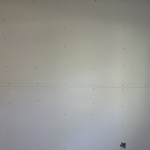
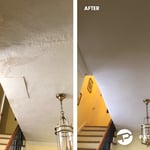
Rough to new ceiling
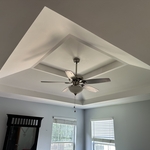
refurbished ceiling
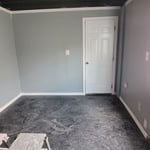
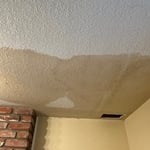
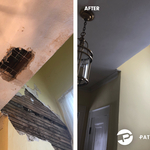
leak repair before
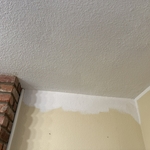
leak repair after
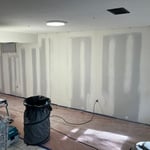
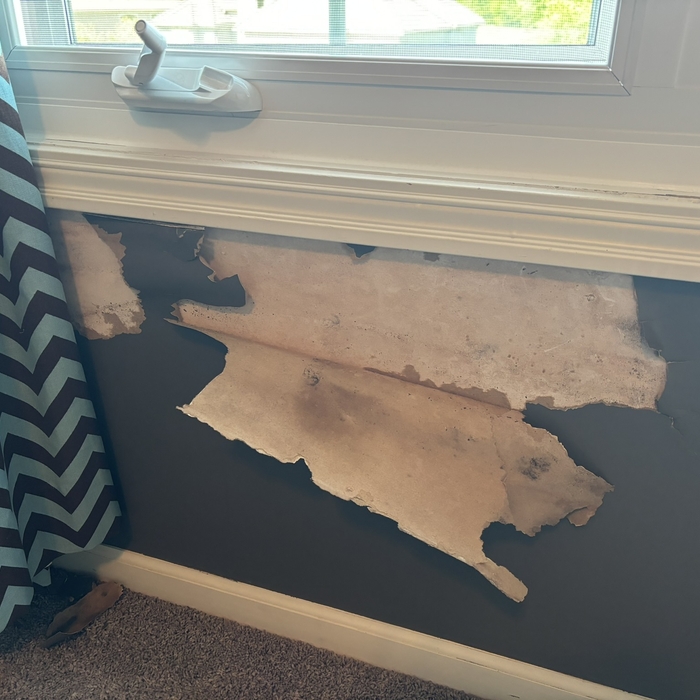
Wall repair after major window leak

+13

Response time6 hrs
Response rate94%
20 neighbors recently requested a quote
JB Remodel & Design, LLC
New to Angi
Plaster - InstallPlaster - Repair

Serving Lansing, KS and surrounding areas

Approved

Welcome to JB Remodel & Design, LLC!\n\nWe take pride in helping homeowners turn their visions into reality with quality craftsmanship, attention to detail, and dependable service. We are a locally owned remodeling and home improvement company proudly serving Kansas City, Kansas, and surrounding communities.\n\nWe specialize in bathroom and kitchen remodeling, flooring, tile installation, drywall, interior and exterior painting, doors, windows, decks, fencing, concrete driveways, patios, sidewalks, and much more. We also offer demolition, junk removal, and hauling services.\n\nAt JB Remodel & Design, we believe every home deserves quality work at a fair and honest price. No project is too big or too small. We treat every home with care, communicate clearly with our customers, and work hard to deliver results you’ll love.\n\nYour home. Your vision. Our commitment to quality.\n\nContact JB Remodel & Design, LLC today for a free estimate.

Showing 1-10 of 46
Plaster Repair FAQs, answered by experts

Technically speaking, you can use drywall primer over plasters. However, oil-based primers work the most effectively on wall plasters. Meanwhile, water-based primers work just as well with drywalls. Nowadays, there are also universal primers suitable for drywall and plaster. Overall, you will be fine as long as you are using a trustworthy brand.

Plaster is a pretty tough surface, but it can still sustain damage from things like bumping against it, water issues, dampness, extreme humidity changes, and plain old age. Most plaster walls last hundreds of years and will only be taken down to the base layer when major repairs are required. Being cautious around the wall, not placing furniture against it, and ensuring stable humidity are all great ways to reduce possible damage.

Although they have similar applications, spackle and joint compound are not the same. Their primary differences lie in their composition, consistency, and ideal use cases.

Spackle is composed of gypsum and binding agents, making it thicker than joint compound. It dries quickly and is easy to sand, which makes it ideal for small wall repair projects like filling nail holes or patching minor damage.

Joint compound, also known as drywall mud, consists of limestone and gypsum. It is primarily used for large-scale projects, such as taping and finishing the seams on newly installed drywall. It tends to shrink more than spackle and can be more difficult to spread.

While both products can be used to fill small depressions and cracks, spackle cannot replace joint compound for taping and mudding new drywall. Conversely, you can often use joint compound for small patching jobs typically done with spackle.

Plaster ceilings can sag for several reasons. In some cases, the plaster and other building materials shift and come apart over time, which is why you’ll commonly find drooping plaster ceilings in older homes. Improper installation, foot traffic, and water damage—often from a leaky roof or a broken pipe—can also cause plaster ceilings to sag.

It’s not a good idea to plaster over broken plaster (unless by broken you’re referring to cracked, in which case that’s perfectly fine). However, broken plaster can be a sign of a larger underlying issue like foundation damage or severe damage to the lath holding up the plaster, so it’s worth investigating before you simply plaster on top of the damage.

The Lansing, KS homeowners’ guide to plaster repairs

From average costs to expert advice, get all the answers you need to get your job done.