Top-rated plaster repair specialists.

Best plaster repair specialists near Weston, MO

Enter your zip and get matched with up to 5 pros

Need a pro for your plaster repair project in Weston, MO?

Select your specific project to find the pro for you.

TRUSTED BY WESTON, MO HOMEOWNERS

  • Average homeowner rating star icon4.7
    Average homeowner rating
  • Verified reviews icon20
    Verified plaster repairs reviews

Top-Rated Plaster repair specialists in Weston - Updated Nov 2026

Avatar for Continental Siding Supply
Continental Siding Supply
4.8(
605
)
Plaster - InstallPlaster - Install - For BusinessPlaster - Repair+1 more

Serving Weston, MO and surrounding areas

In business since 1982

Free estimates

Emergency services offered

"Needed to replace and repair lots of rotten wood, and peeling paint on the house. looked at several options, and Continental worked hard to earn my business. They made a great sell, and provided financing that worked within my budget. It may have taken a while to get the actual work started (due in part to the COVID pandemic slowing everything down) but they called me every two weeks with an update on my position in line. The house looks fantastic, and I never need to worry about rotten siding again. Would highly recommend."
Before and After
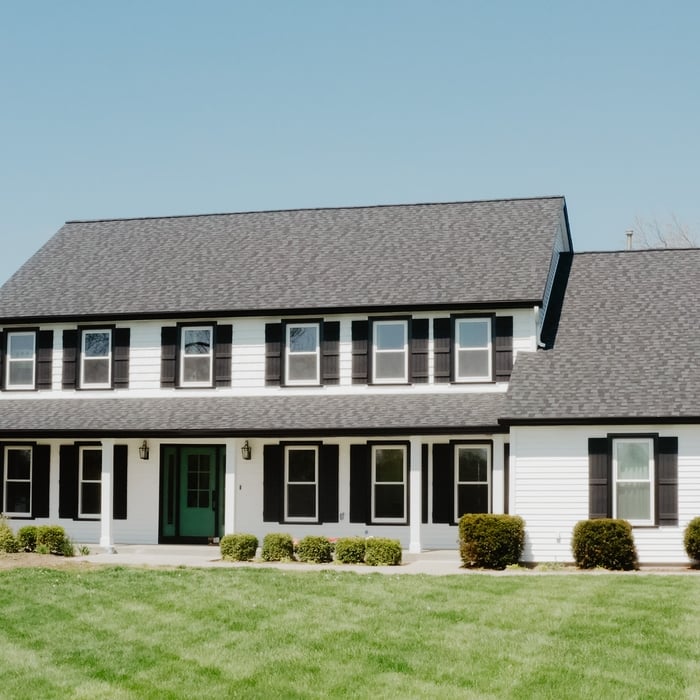
Classic Meets Modern Farmhouse

+28

Recommended by97%of homeowners
Showing 1-10 of 40
Plaster Repair FAQs, answered by experts

In most cases, plaster repair will improve your home’s energy efficiency because a solid barrier of the insulative material helps keep conditioned air inside your home. Major plaster repair jobs like repairing large cracks or crumbling sections of plaster or applying a skim coat might make a noticeable difference in your heating and cooling bills. Not only can plaster repairs improve efficiency, but they can also reduce strain on your HVAC equipment, potentially saving you money on maintenance and repairs.

Yes, you can speed up the time it takes for plaster to dry, but it's important to do so carefully to avoid issues like cracking or crumbling. Proper ventilation is key; open a window or use a fan to circulate air in the room. Heat can also accelerate drying, but be cautious, as too much heat can cause the plaster to dry too quickly and crack. Check the plaster's packaging for the recommended drying temperature and set the room's thermostat accordingly. While managing humidity is important, avoid using a dehumidifier, which can remove moisture too aggressively and result in crumbly plaster.

Both plaster and drywall are durable wall finishes, but they differ significantly in installation, cost, performance, and aesthetics.

Installation & Cost: Drywall installation is faster and more affordable, typically costing $1.50 to $3 per square foot. It uses premade sheets, making it a more accessible DIY project. Plastering is a labor-intensive craft that requires specialized skills, pushing costs to $2 to $10 per square foot. It involves applying a wet paste over a lath framework.

Durability & Performance: Plaster is generally more durable, longer-lasting, and provides superior soundproofing. It is also a better insulator, which can help reduce energy costs. Drywall is easier to remove for future renovations.

Aesthetics: Drywall provides a smooth, uniform surface ready for paint or texture. Plaster offers a high-end, naturally textured look that can hide imperfections and is often preferred for achieving a classic or historic aesthetic.

Which is better? The choice depends on your priorities. Drywall is ideal for those prioritizing a lower upfront cost, faster installation, and DIY potential. Plaster is the better option for a higher-end project where durability, soundproofing, and a unique, premium finish are more important than the initial cost.

If your premixed drywall mud is dried out or has begun to set in the bucket, you may be able to revive it by adding warm water and stirring. However, the first and most important step is to scrape off any hard, dried bits of drywall that may have accumulated toward the top of the container and throw them away because they will not easily reconstitute back into the drywall mud mix.

It depends on the construction of your wall. Most handypeople can fix small holes in drywall. If your wall is plaster or brick, more significant damage may require a drywall contractor or a mason. Hiring a handyperson costs less than a more specialized type of contractor, but they’re not trained in all types of wall repairs.

The Weston, MO homeowners’ guide to plaster repairs

From average costs to expert advice, get all the answers you need to get your job done.