



Top-rated plaster repair specialists.

Best plaster repair specialists near Gladstone, MO

Enter your zip and get matched with up to 5 pros

Need a pro for your plaster repair project in Gladstone, MO?

Select your specific project to find the pro for you.

TRUSTED BY GLADSTONE, MO HOMEOWNERS

  • Average homeowner rating star icon4.3
    Average homeowner rating
  • Verified reviews icon131
    Verified plaster repairs reviews

Top-Rated Plaster repair specialists in Gladstone - Updated Nov 2026

Avatar for PatchMaster Serving Kansas City
PatchMaster Serving Kansas City
5.0(
21
)
Plaster - RepairPlaster - InstallPlaster - Install - For Business+1 more

Serving Gladstone, MO and surrounding areas

Approved

Super Service Award Winner

In business since 2024

Free estimates

Warranties offered

"This was one of the better experiences I’ve had with contractor services. Was able to quote quickly and complete repairs very fast. The gentleman that did the repairs was professional and friendly. This company provided the lowest price quote so I was extremely happy when the work done was quality."
Rough to new ceiling
refurbished ceiling
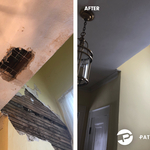
leak repair before
leak repair after
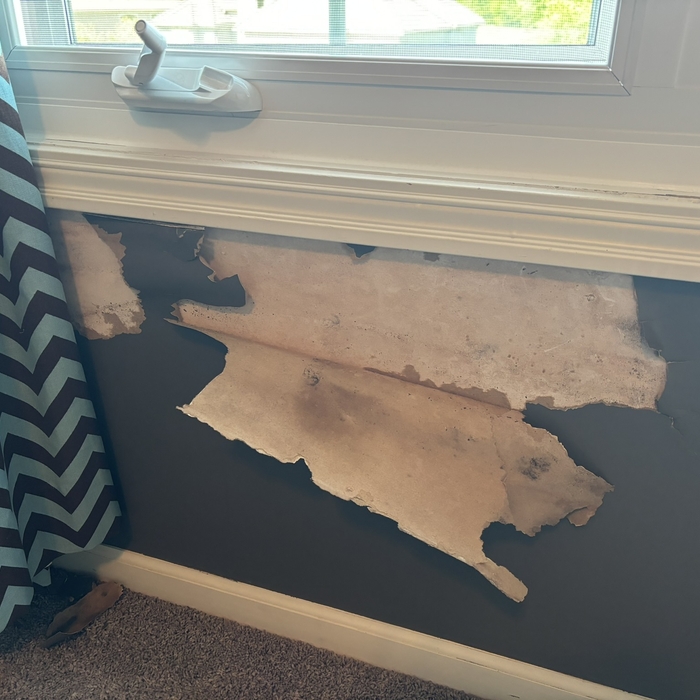
Wall repair after major window leak

+13

Response time6 hrs
Response rate94%
19 neighbors recently requested a quote
Avatar for H&R Quality Drywall
H&R Quality Drywall
New to Angi
Plaster - Repair - For Business

Serving Gladstone, MO and surrounding areas

Approved

In business since 2022

Free estimates

Offers commercial services

Welcome to H&R Quality Drywall! We take pride in the quality of work and customer satisfaction that we give each and every customer! We are known to pay exquisite attention to detail while making customer satisfaction our top priority. Call us today to learn more about how we can help you!

remodel
remodel
skim coat
skim coat
skim coat

+11

Response time4 hrs
...
Showing 1-10 of 102
Plaster Repair FAQs, answered by experts

Plaster is a pretty tough surface, but it can still sustain damage from things like bumping against it, water issues, dampness, extreme humidity changes, and plain old age. Most plaster walls last hundreds of years and will only be taken down to the base layer when major repairs are required. Being cautious around the wall, not placing furniture against it, and ensuring stable humidity are all great ways to reduce possible damage.

There are several warning signs that a ceiling crack is connected to a larger issue. For starters, if the crack is wider than 1/8 inch or longer than 12 inches, you might have a more serious problem. The same applies if you have multiple smaller cracks or cracks going across the ceiling and down the wall. In any of these situations, you should ask a professional to assess the damage.

It is possible to apply plaster on the interior or exterior of your home, but we don’t recommend it. Plaster is easy to apply in theory, but in reality, it can be a challenging material to work with, and it’s difficult to get the finished product to look clean, even, and smooth. Many DIYers end up calling in a professional afterward to touch up the area or even redo it entirely because of mistakes they made in the process. Hiring a plaster pro will cost more, but it’s usually the best option to achieve high-quality results.

Plastering and skimming are two different techniques for finishing walls. Plastering involves applying a thick layer of a plaster mixture—typically containing gypsum, lime, cement, sand, and water—to create a new surface. This process often requires multiple coats and is used for repairing significant damage or creating decorative textures. Skimming, on the other hand, is a technique that involves applying a thin layer of drywall compound or joint compound over an existing surface to smooth it out, covering minor imperfections, small cracks, or uneven textures for a polished look. Plastering is generally more costly and labor-intensive than skimming. Although some people use the terms interchangeably, they refer to different processes and materials.

Yes, you can apply new plaster over an existing plaster surface, such as a wall or ceiling, provided the old plaster is in good condition. Before you begin, check the stability of the existing plaster. The surface must be clean, free of loose material, and have no peeling paint. It is also recommended to roughen the surface slightly to promote adhesion. For older plaster, applying a base coat like a PVA emulsion or a specific bonding agent or primer is crucial. This step makes the existing plaster less porous and ensures the new and old layers adhere properly for a smooth, long-lasting finish.

The Gladstone, MO homeowners’ guide to plaster repairs

From average costs to expert advice, get all the answers you need to get your job done.