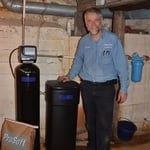


"Our water stunk like rotten eggs! Scott came out, looked everything over and did numerous tests on our water. He explained what he had found and took all the time we needed to understand what the problem was. He was more like a good friend than a salesman! We felt total trust in the company. We were able to schedule an install of a new water softener system the next day! The man who did the install (I have forgotten your name, sorry) was professional and did an excellent job. We are very happy with the new system! I definitely recommend this company and would use them again!!!"
The most accurate way to determine whether you have hard water is to purchase a water test kit from a hardware store or send a tap water sample to a lab. But there are some signs you can look out for without professional testing. For instance, if you're consistently dealing with mineral stains on your glassware, windows, and shower doors, you're likely to have hard water. Hard water can also make it harder to lather and rinse soap, so if you're struggling to work up a good lather in the shower, hard water might be the culprit.
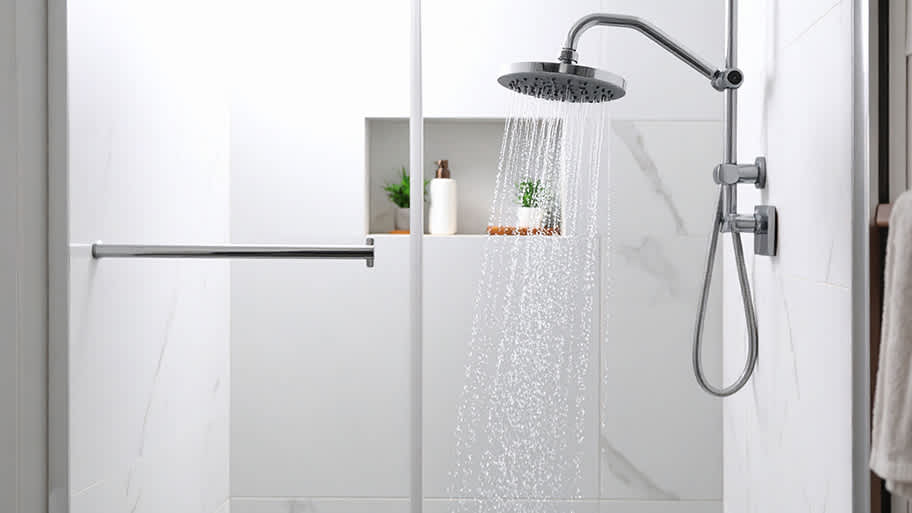
The most effective way to fix hard water in your shower is by installing a whole-home water softening system. This system treats water as it enters your home, removing the minerals that cause hardness before they can reach your shower or any other fixtures. While this is the most comprehensive solution, other methods are often temporary fixes. For a more affordable and shower-specific option, you can install a water-softening showerhead or a shower filter. However, these filters are generally less effective and may not remove all the contaminants that lead to limescale and hard water stains. By implementing a water softening solution, you can expect a reduction in mineral deposits and enjoy the benefits of cleaner-feeling hair and skin.
Because it’s been through the water cycle, evaporating and becoming slightly acidic thanks to dissolved carbon dioxide in the atmosphere, rainwater tends to be naturally soft compared to groundwater, which has just been in contact with limestone. However, the natural hardness level of water always depends on where you are and other factors.
Most experts agree there’s not much difference health-wise between hard water versus soft water. That said, hard water is more likely to cause skin dryness and issues that go along with it, like an itchy or flaky scalp. Hard water can also decrease the life span of your household appliances and make it more difficult for soap to do its job.
Selecting the right system depends on testing your water to understand the contaminants present and considering your household's water usage and specific needs, such as removing specific contaminants.
The Willow River, MN homeowners’ guide to water softener services
From average costs to expert advice, get all the answers you need to get your job done.
Water softener repair costs can add up, but they’re almost always worthwhile. Use this guide to see what your project is going to cost before you get started.
There are four common softener alternatives available on the market today. We compare and contrast each one to help you find your best-fit solution in this blog.
Who repairs water softeners? You should be able to hire water softener repair and installation companies or plumbers to fix issues with these appliances.
Water softeners last up to 25 years, but maintenance, usage, and other factors can affect the life span. Learn more about how long water softeners last.