
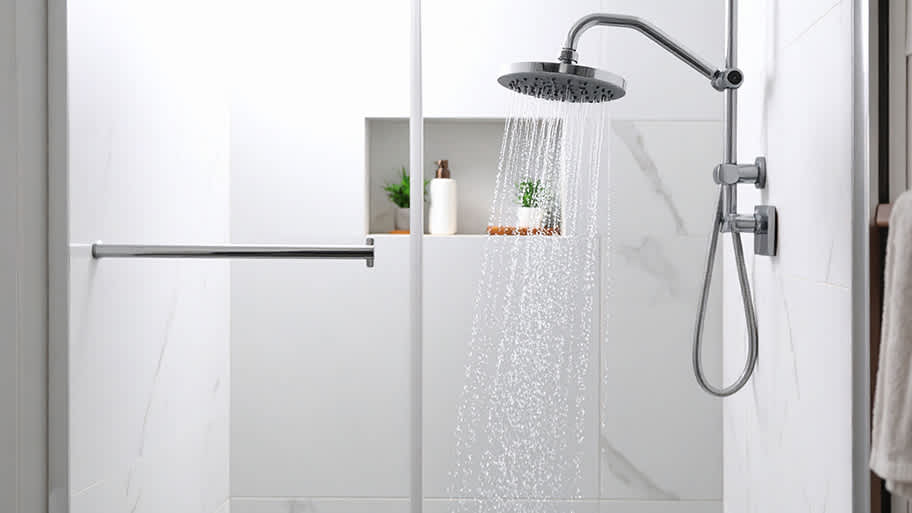
Water softener repair costs can add up, but they’re almost always worthwhile. Use this guide to see what your project is going to cost before you get started.
Combat hard water with these alternatives to a water softener

Water softener alternatives include reverse osmosis systems, water conditioners, UV purifiers, and electromagnetic softeners, offering you salt-free solutions for hard water problems.
Traditional water softeners cost around $1,500 to install, plus $10 monthly for salt, making alternatives worth considering for your home and budget.
Reverse osmosis systems and water conditioners are your best alternatives, with RO removing 99% of contaminants and conditioners crystallizing minerals without salt.
Hiring a local water softener professional helps you select the right system for your water quality and install it correctly for reliable performance.
Eighty-five percent of Americans have what’s called hard water, which is essentially water with high levels of minerals like calcium and magnesium. Water softeners help remove these hard minerals to produce softer water, which is better for your home and your body. But, traditional softeners are expensive, require a lot of water softener maintenance, and are bad for the environment.
Keep reading to learn more about the four most common water softener alternatives to find which one is right for your home.
As water travels to your local water treatment plant, it comes in contact with rocks and soil and in some cases, starts to absorb it. When that happens, your water can start to have higher levels of the minerals found in local rocks and soil, leading to hard water.
While most hard water is considered safe to use by the Environmental Protection Agency (EPA), it can lead to problems like limescale buildup and decreased efficiency in systems and appliances, like dishwashers or hot water heaters—meaning higher maintenance and utility bills. Some homeowners choose to install a water softener to combat that.
A water softener removes those minerals through a scientific process called salt-based ion exchange. In some cases, they may use potassium chloride instead, but sodium is more popular and common.
How a water softener works is a bit complicated, but the gist of it is that a water softener uses resin beads to attract calcium and magnesium. The resin beads have a negative charge while the water minerals have a positive charge, so when they meet, the beads grab hold of the negatively charged minerals and take them out of the water—meaning only soft water is left.
They’re expensive: The average water softener installation cost falls around $1,500, which is quite a bit of money for something that’s technically not needed. Plus, you have to buy salt every month (around $10 per bag).
They create a lot of wastewater: Some municipalities are even starting to ban traditional saltwater softeners because of the high amounts of waste they create.
They require a lot of maintenance: You’ll have to check your water levels and your system pretty regularly to make sure it’s working efficiently. Water softeners certainly aren’t a set-it-and-forget-it solution and require learning a lengthy process for how to set a water softener.
You may intake too much sodium: Depending on the water softener, you may use chemicals like sodium or potassium chloride for the exchange, which may lead to higher levels of sodium intake.

To answer the drawbacks, many companies have come up with different types of water purification solutions that avoid some of these issues.
Each comes with its own pros and cons depending on what you’re looking for out of a water softener alternative (and what your budget is).
Water conditioners are probably the most common water softener alternative. They’re often installed at the point of entry, meaning they impact the water throughout the house.
Instead of removing the minerals, water conditioners crystalize the minerals through a process called template-assisted crystallization (TAC). In their crystalized form, these minerals can more easily pass through pipes and appliances to avoid build-up and limescale. But those minerals don’t actually leave the water, which may be a drawback for some.
| Pros | Cons |
|---|---|
| Easy setup | Doesn’t actually remove the minerals from your water |
| No added salt | Have to replace every few years |
| Doesn’t require electricity | Wastes a lot of water, which could overload your septic system |
Best for: Those who want a hands-off solution
Reverse osmosis systems are becoming pretty popular and more widely available. These work by pushing water through a microscopic filter to catch a wide variety of contaminants, not just those connected to hard water. They remove everything from heavy metals like lead and asbestos to common issues like salt.
Most systems are designed for filtering at the source, and if you want a whole-home solution, the installation complexity and costs rise very quickly. Not to mention most homeowners don’t necessarily need that pure of water, especially considering some minerals are good for us.
| Pros | Cons |
|---|---|
| Removes 99% of contaminants | Wastes a lot of water |
| Good for the environment and your health | May remove healthy minerals |
| Highly purified for multiple uses, like fish tanks | Expensive upfront cost |
| Creates better-tasting food when cooked with | Considerable maintenance requirements |
Best for: Those who want fully purified water
UV water filters are similar to reverse osmosis systems in the fact that they remove an abundance of naturally occurring bacteria from water, but they don’t actually remove any of the minerals—meaning you’ll still have hard water.
UV systems use ultraviolet rays to kill harmful organisms, bacteria, and minerals in water. The science behind UV light is proven and tested across a variety of methods and materials and is widely accepted in many scientific areas.
If your goal is simply purification when it comes to a water softener, these could be a good choice. But, they don’t offer many of the benefits others do, like the improved taste, softer water, and mineral removal.
| Pros | Cons |
|---|---|
| Proven purification method that removes bacteria | Doesn’t soften water |
| Easy to install | Requires constant electricity |
| Instant treatment with no water tank or holding area | May require an additional prefilter for murky water |
| Simple maintenance | Doesn’t remove heavy metals or minerals |
Best for: Those who want purified water but prefer a budget-friendly alternative to reverse osmosis systems
Electromagnetic softeners use magnets to attract hard minerals rather than salt. As water passes by electromagnetic coils, the magnetic field is said to alter the chemical composition of the water to help prevent scaling and hard water.
They were once pretty common but have slowed in popularity due to rising concerns of their effectiveness. While touted as affordable, low maintenance, and easy to use, many studies have proven they don’t work as efficiently or effectively as many other options available on the market.
| Pros | Cons |
|---|---|
| Easy to install | Not a proven solution |
| Long-lasting | Won’t prevent scaling in water heater |
| Affordable | Not as efficient as other options |
Best for: Those on a limited budget
The best alternatives to a water softener are either reverse osmosis (RO) systems or TAC water conditioners. While often talked about in the same breath, electromagnetic water softening systems and UV purifiers offer limited benefits compared to these two.
Choosing between these two systems mostly comes down to budget. A whole-home RO system could cost as much as six times the amount as a TAC system, depending on the model and size of your home. Not to mention it requires more maintenance and more costly repairs.
But, the water output from an RO system is much purer (some call it “near perfect”) than the water produced through TAC. And, in some areas where specific contaminants may exist, the RO system could be the only viable option, despite the cost.
If you’re good people wanting to do business with good people, hire Matt. He is a consummate professional and utterly competent. He installed a water heater in my home at a price that beat competitors by hundreds of dollars with a promise to support the unit for its life (even after its 6 yr...
 Greene's Plumbing Services
As usual with ECO, tech Jordan was outstanding, very professional, very knowledgeable, and very thorough with repairs made to tankless water heaters. Very highly recommend ECO!!!
 Eco Plumbers, Electricians, and HVAC Technicians
Did a great job replacing the ice maker and water regulator on my refrigerator. He was quick and thorough, very friendly and professional. If I needed a heart transplant I'd want him to do it!!!
We had a gutter blockage that was causing water to sheet down the side of the house and ultimately it started to come in at a window (need mortar people next). Called around 7:30am, and he responded by 8am. He was able to come out the same morning and do a look over and clean out. He also...
Scott checked our large crawl space for mold and water infiltration and recommended a viable solution. The crew was efficient and they cleaned up well after the job. The job was expensive but I am confident that I won't have to deal with the problem again. Highly recommend.
 AdvantaClean of Dublin
They were the most through inspecting the water system in my house. Even going the extra mile to get the water professionally tested for contamination.
 Hague Water Conditioning, Inc.
It went very well. The drain is absorbing all the access water. I had other estimates a year earlier and Hughes was right on. I will use them, again.
 Hughes Construction Co
Very well. Have already used them again to fix hot water heater
 Service Olympians
The Paul Davis team was very professional and went the extra mile to take care of my water damage. The work was very high quality and done in a timely manner. I would highly recommend their services.
 Paul Davis Restoration
Honesty is hard to find in business today. GBR met me today at a 3 story building regarding my being told that I needed to tuckpoint the brick because of water leaks. The owners took the time to evaluate the situation and advised me that I did not need their service at all. They pointed me...
 GBR Masonry Inc
From average costs to expert advice, get all the answers you need to get your job done.
Water softener repair costs can add up, but they’re almost always worthwhile. Use this guide to see what your project is going to cost before you get started.
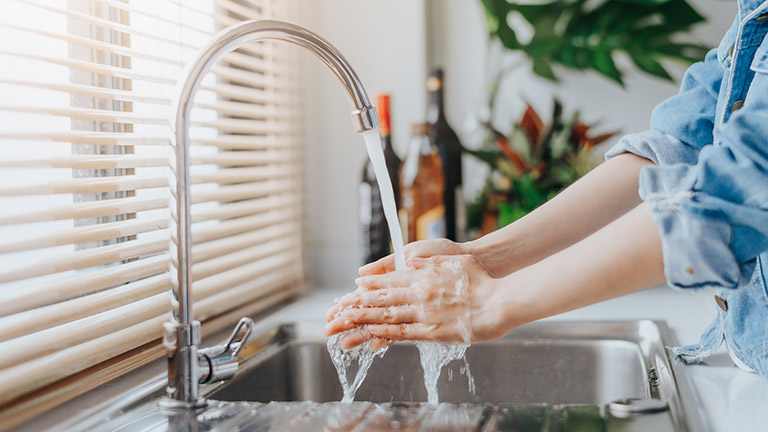
Water softeners remove minerals from hard water in your home and make your water more pleasant to use. Learn more about how they work here.

Trying to decide between the different types of water softeners? Our guide will help you choose the right salt-based or salt-free option for your home.

Not keen on spending thousands on a water softener? Use this guide to see if it would be better to rent or buy a water softener for your home.

Water softeners remove hard minerals from your tap water, improving plumbing systems and water-using appliances. Here are the most efficient water softeners out there.
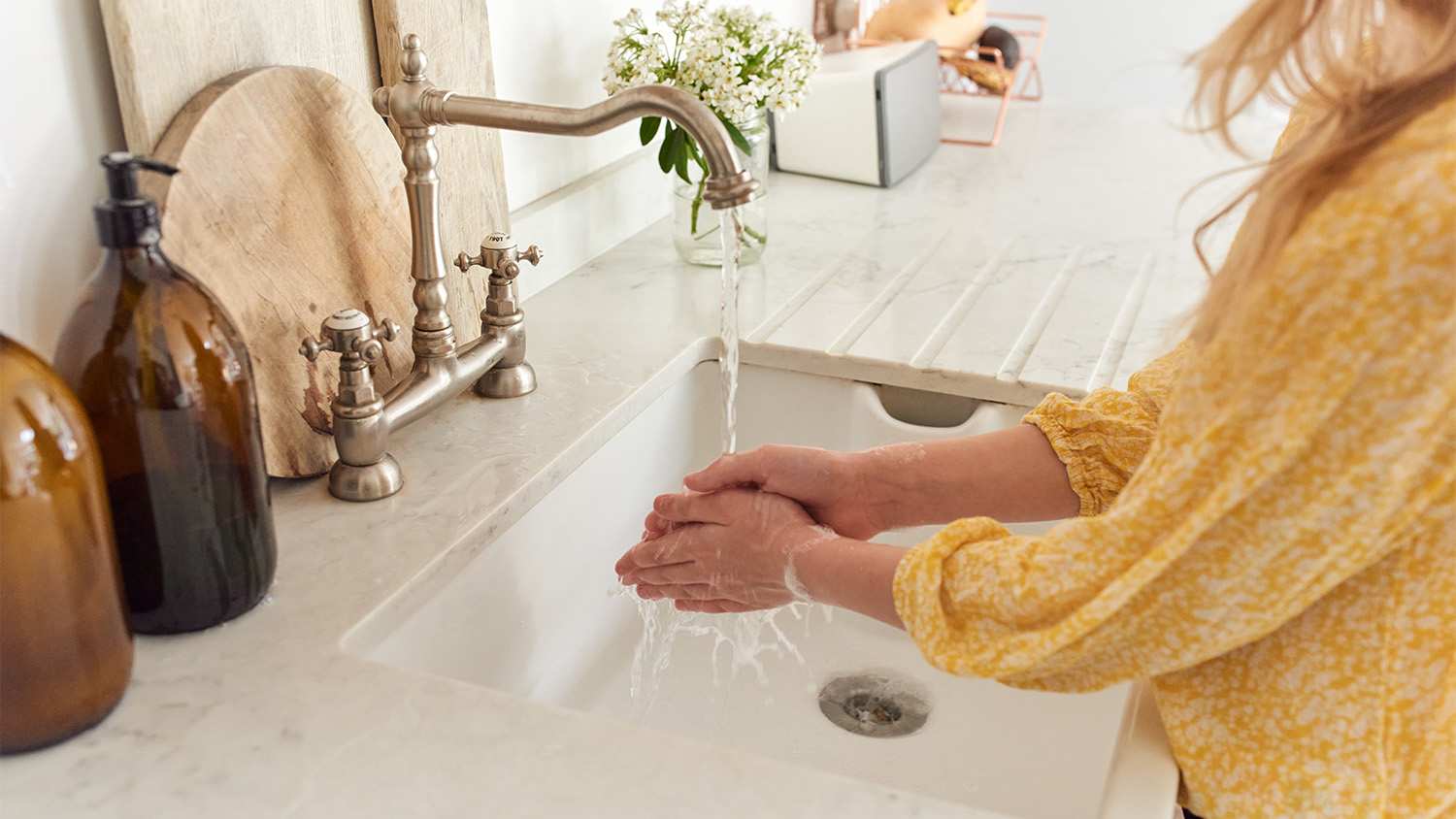
Your water softener works overtime to keep your water safe. Use this guide on how to check your water heater for damage or poor performance.