
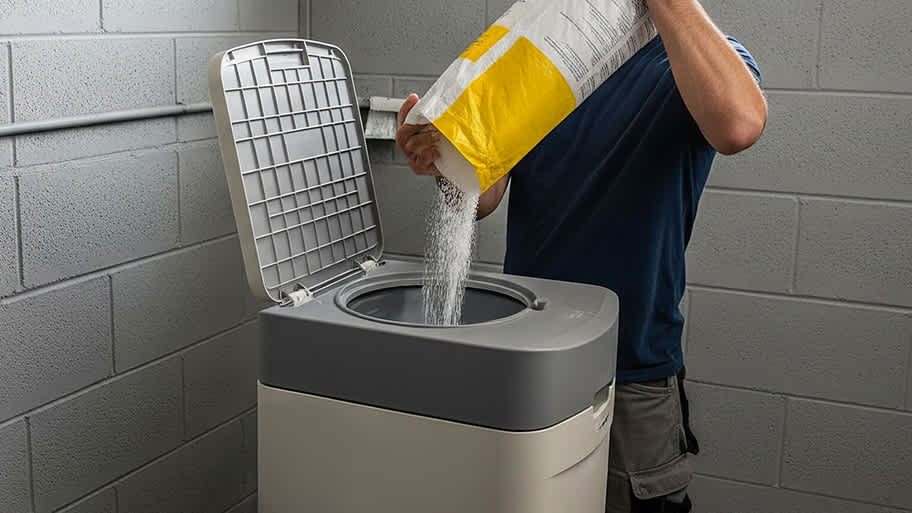
How much a water softener costs depends on your home’s size, and the system’s type and capacity. Our expert guide explores all the price factors.
Here’s the hard truth about installing a water softener in your home

Water softener benefits include improved water flow, reduced plumbing problems, lower energy costs, and healthier skin and hair for your home.
Professional water softener installation costs range from $200 to $6,000, so addressing hard water issues early helps you avoid higher maintenance expenses.
Your appliances last longer with soft water because mineral buildup no longer coats pipes, tanks, and connections that reduce efficiency and cause breakdowns.
Hiring a local water softener installation professional provides expert guidance on system sizing and proper setup, keeping your plumbing protected and your water flowing smoothly.
Hard water affects more than 80% of households, but that might do little to make you feel better as you deal with limescale buildup, dry skin and hair, and a host of other less-than-pleasant side effects from hard water. Even though hard water is safe to drink, you might wonder about water softener benefits for your home. Read on to learn more about what a water softener does and whether it benefits your household.
A water softener softens hard water by removing minerals like calcium and magnesium. Sometimes known as ion exchange units, water softeners use resin beads to trap mineral particles and switch them for the sodium or potassium that you regularly add to the system. A water softener is different from a water conditioner, which neutralizes minerals rather than removes them.
A water softener can help increase the life span of your plumbing, your water heater, and even your clothing.
Hiring a local water softener installation company is an investment that will pay off when you consider the system's advantages.
Without the buildup of sediment in your plumbing, water will flow freely. This equates to better water pressure, which means you might even use less water to clean dishes, surfaces, and even yourself.
Your plumber might miss hearing from you after you install a water softener system. When water flows freely through pipes, clogs are less likely to occur. This doesn’t mean that your pipes can’t be clogged by other things, but there won’t be any sediment or mineral deposits coating the inside of pipes just because you decided to run the water.
What will you do with all the time you used to spend scrubbing at limescale and soap scum? The choice will be yours when you have soft rather than hard water. And since you won’t be spending as much time using cleaning products, you won’t spend as much money on them, either.

Any appliance or outlet hooked up to plumbing will now have a shot at a longer life span thanks to improved water flow, which is a by-product of a water softener. Every water-based appliance—from your washing machine to the dishwasher to the water dispenser in your refrigerator—will work better thanks to better connections to and from the water source.
Your hot water tank is one appliance that will especially benefit from a water softener. Hard water leaves behind sediment that can get in the way of a tank's efficient operation, which means it has to work even harder to heat water. When the water temperature fluctuates, so does your energy bill, so you can also enjoy lower monthly costs.
You’ll have to find another excuse for having a bad hair day after you have soft water. Since the system takes out extra minerals, along with chlorine (though that depends on the system), the water can help your shampoo and soap do their jobs better. Your hair and skin will feel softer, and those with skin sensitivities should experience far less irritation with soft water, too.
Laundry might actually be fun when that softer, fluffier clothing comes out of the wash each time. Like with shampoo and soap, soft water allows detergent to clean and rinse better, leaving your clothes softer, brighter, and better-smelling
If you’ve been disappointed to see splotches on glasses, silverware, and dishes—even as they come straight out of the dishwasher—you’ll love having soft water. With no (or at least fewer) minerals to be left behind, the contents of your kitchen cabinets will be squeaky clean.
Here’s something you can cross off your home maintenance list: Cleaning the limescale from your dishwasher, faucets, and showerheads. After you get soft water, you won’t have to wipe away those unsightly white residue stains every single day.

When appliances are working as they should, you’ll have less to manage with their upkeep. This isn’t to say you should ignore regular maintenance schedules, especially when warranties are involved. However, when appliances are working more efficiently, you’ll spend less time and money keeping them that way.
By using fewer cleaning products—or at least switching from heavy-duty to green or all-natural products—you can lower your carbon footprint.
As usual with ECO, tech Jordan was outstanding, very professional, very knowledgeable, and very thorough with repairs made to tankless water heaters. Very highly recommend ECO!!!
 Eco Plumbers, Electricians, and HVAC Technicians
Did a great job replacing the ice maker and water regulator on my refrigerator. He was quick and thorough, very friendly and professional. If I needed a heart transplant I'd want him to do it!!!
We had a gutter blockage that was causing water to sheet down the side of the house and ultimately it started to come in at a window (need mortar people next). Called around 7:30am, and he responded by 8am. He was able to come out the same morning and do a look over and clean out. He also...
Scott checked our large crawl space for mold and water infiltration and recommended a viable solution. The crew was efficient and they cleaned up well after the job. The job was expensive but I am confident that I won't have to deal with the problem again. Highly recommend.
 AdvantaClean of Dublin
They were the most through inspecting the water system in my house. Even going the extra mile to get the water professionally tested for contamination.
 Hague Water Conditioning, Inc.
It went very well. The drain is absorbing all the access water. I had other estimates a year earlier and Hughes was right on. I will use them, again.
 Hughes Construction Co
Very well. Have already used them again to fix hot water heater
 Service Olympians
The Paul Davis team was very professional and went the extra mile to take care of my water damage. The work was very high quality and done in a timely manner. I would highly recommend their services.
 Paul Davis Restoration
Honesty is hard to find in business today. GBR met me today at a 3 story building regarding my being told that I needed to tuckpoint the brick because of water leaks. The owners took the time to evaluate the situation and advised me that I did not need their service at all. They pointed me...
 GBR Masonry Inc
They unclogged the drain and sent me a bill for more than 4 times what I paid before. I called the Water Works to ask why the bill was so high and that they should have gotten my authorization before assuming they could make expensive decisions like that on my behalf and for their benefit....
 The Waterworks
From average costs to expert advice, get all the answers you need to get your job done.
How much a water softener costs depends on your home’s size, and the system’s type and capacity. Our expert guide explores all the price factors.
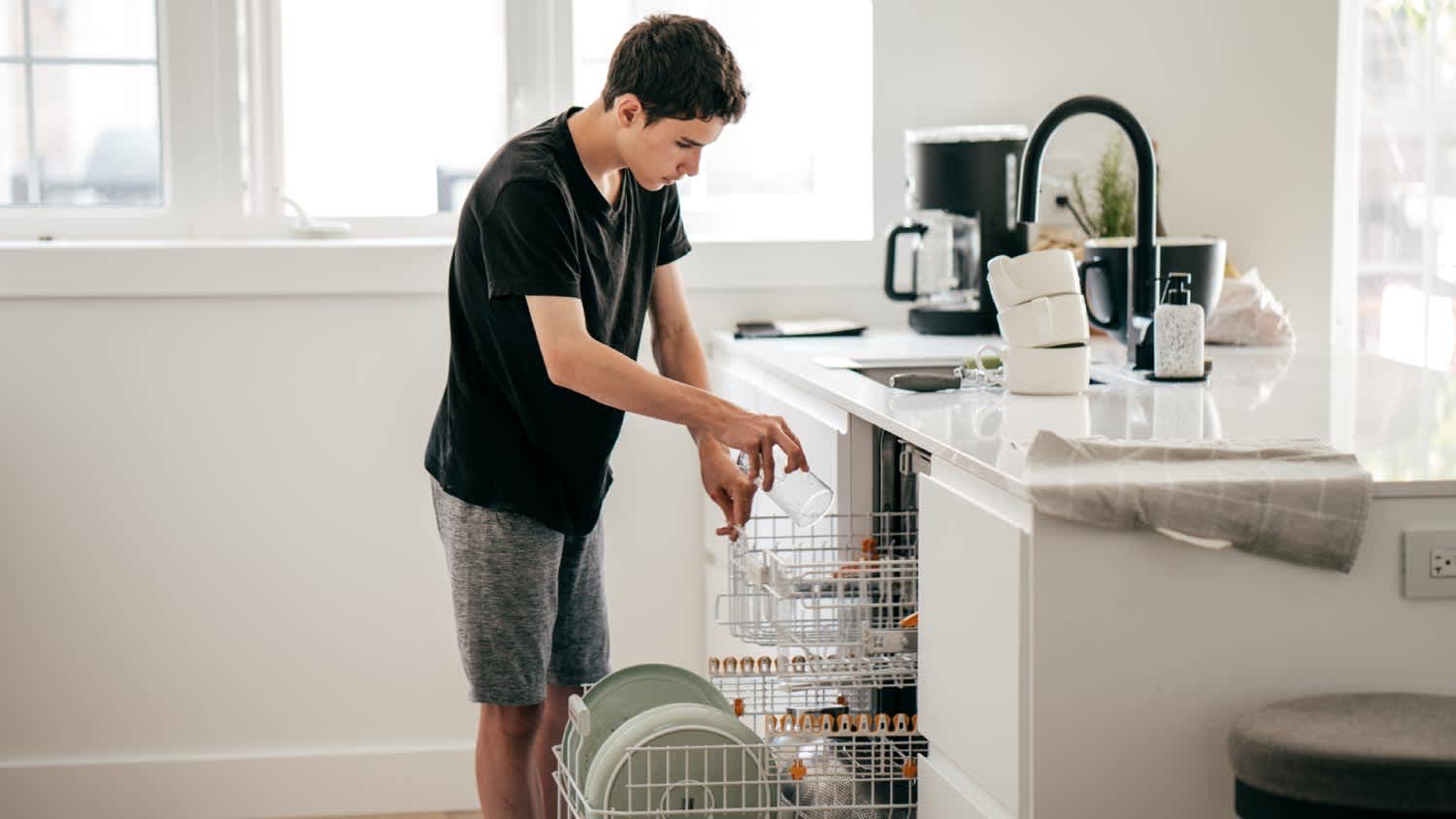
You want your appliances to last as long as possible, but if you live in an area with hard water, you might consider improving their longevity with a water softener.
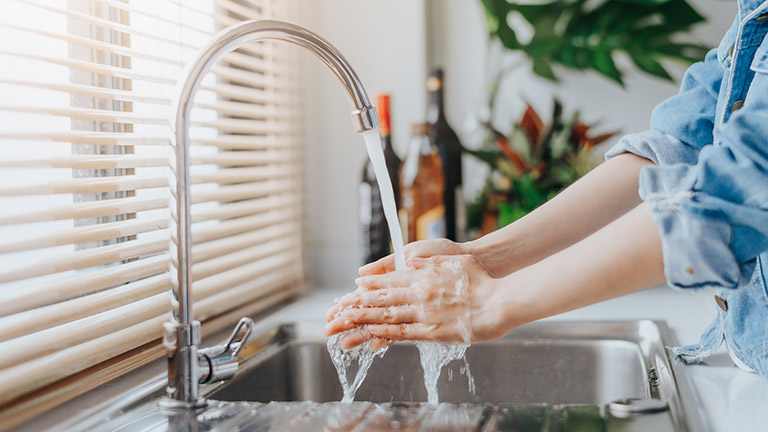
Water softeners remove minerals from hard water in your home and make your water more pleasant to use. Learn more about how they work here.

Not keen on spending thousands on a water softener? Use this guide to see if it would be better to rent or buy a water softener for your home.
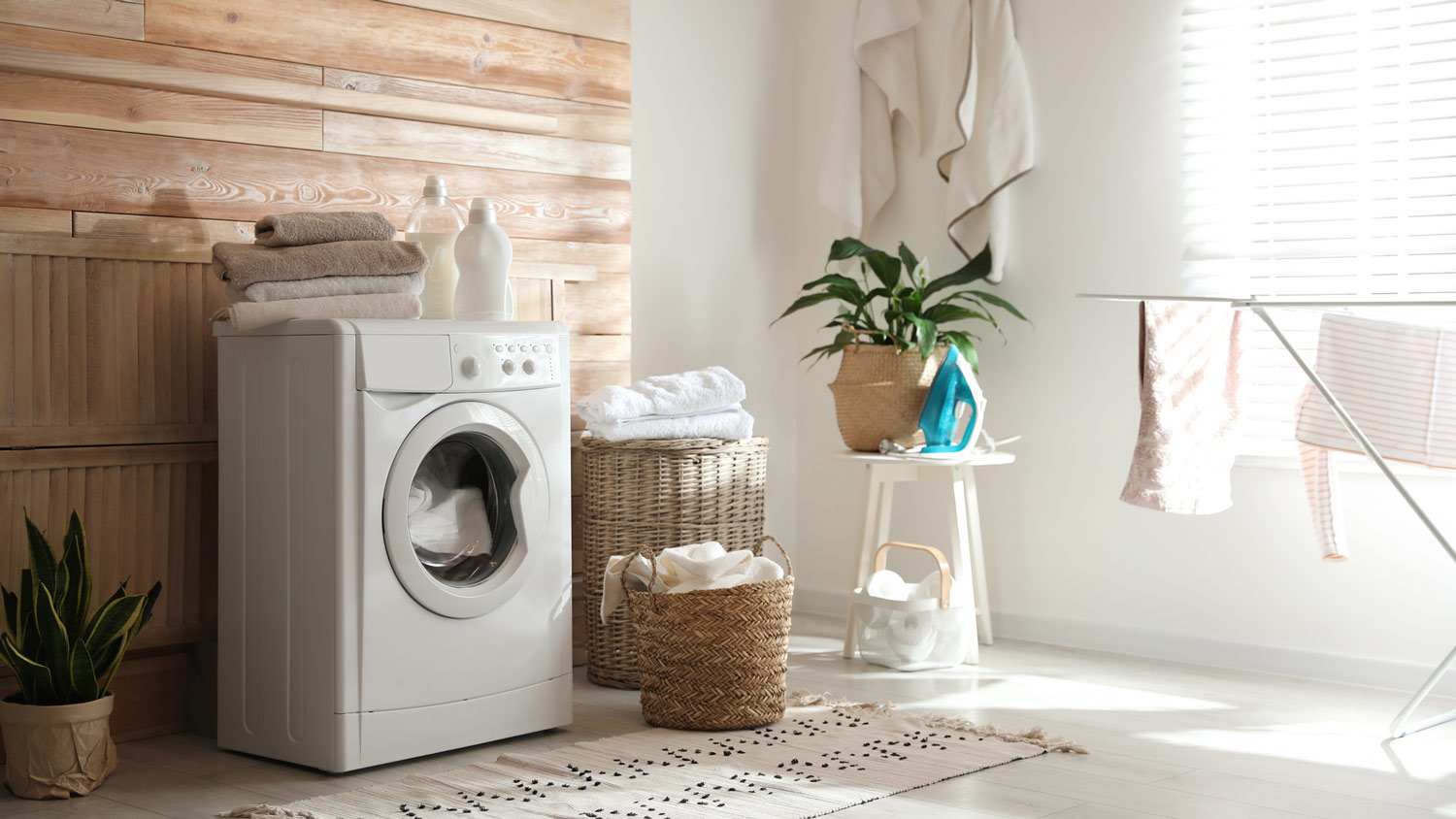
Water softeners rid your home of hard minerals and, well, soften your water. Even better, the regeneration process is an automatic cycle that works when you’re least likely to use it.
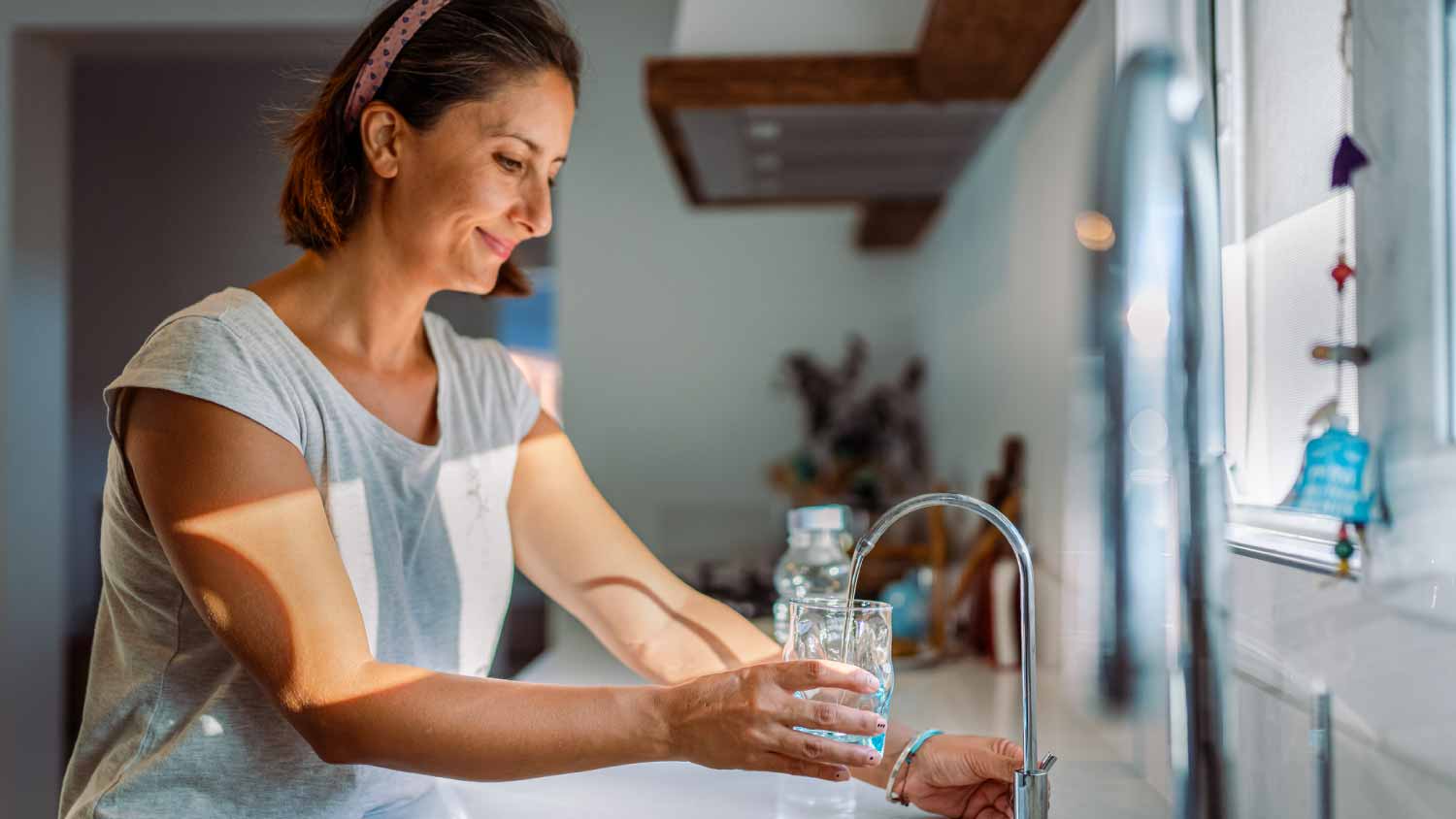
Water softeners and filters might sound similar, but they serve different purposes. Here’s what to know when comparing a water softener versus a water filter.