
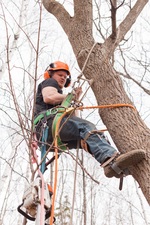





Mulchinator Land Management, LLC is a locally owned and operated company that values honesty and integrity and treats your home as if it were our own. You will find us to be competitively priced while still paying close attention to the details of each and every project we are involved with. We look forward to building lasting relationships and guarantee your satisfaction. Give us a call today to get your project started.
"I just pay $75 you never know who's going to come out. They do everything electrical. Just about everything is covered except the septic tank. I had an air conditioner replaced. It went great, all I had to do was pay for the freon. He didn't charge e more than what was needed."
We take great pride in our experience, expertise, quality and customer service that\nwe provide to meet your needs. It is our mission to provide excellent workmanship\nand complete customer satisfaction from start to completion of a project. \nIn order to understand the needs and expectations of our customers,\nwe take great care to work and communicate with every customer a professional manner.\nOur reputation is based on service, safety and quality, regardless of how large\nor small the job.
Specialize in snow roof removal and ice dam removal. Wipper Snow and Ice Dam Removal, is dedicated to providing our customers with the best quality and craftsmanship. We are here to build relationships with our customers and communities and to provide our employees with a great place to work.\n \nWipper Snow and Ice Dam Removal, is a leader in providing our customers with the highest quality products and craftsmanship in an honest, efficient, and professional way. Our pledge is to create successful relationships with our customers, employees and community by building trust, treating every project with the utmost integrity and exceeding expectations.\n \nWe look forward to working with you!
Custom Septic, Inc. is an owner run and operated company. With over 20 years experience. Workmanship guaranteed. Commercial and residential projects welcome.
We have the experience and we are committed to providing quality workmanship and \nsuperior customer service on all our applications. We at Layman Excavating strive to \nmaintain our reputation as a high quality, very service oriented company with our \nmain focus being customer satisfaction.\n
Yes, shower water goes into the septic tank. Shower water is a type of greywater, and in fact, all water used in a home with a septic system—including water from sinks, toilets, the dishwasher, and the washing machine—drains into the tank. When shower water enters the tank, debris like soap and hair travels with it. The solid debris sinks to the bottom to become sludge, while soap residue joins the scum layer at the top. The remaining water is treated in the tank before moving to the drain field for further treatment and dispersal. It is important to avoid putting oil or harsh chemicals down any drain, as they can cause clogs or disrupt the beneficial bacteria required for proper wastewater management in the septic system.
Conventional anaerobic septic systems are the most cost-effective and least expensive type, with installation costs typically ranging from $3,000 to $8,000. For comparison, sand filter systems cost between $7,000 and $18,000, while mound systems are the most expensive at $10,000 to $20,000. Several factors influence the final price. The tank material is a key consideration; plastic tanks are the most budget-friendly option, starting around $2,900, but concrete and fiberglass tanks offer greater durability and longer life spans at a higher cost. The size of the tank also affects the price. For example, a 1,000-gallon tank costs between $900 and $1,500, whereas a larger 1,500-gallon tank costs $1,500 to $2,500.
There are a few signs that indicate a failing drain field. For instance, if your septic tank starts requiring more pumping than normal, your drain field might be failing. Other signs to watch for include poor drainage after rain, standing water or sewage over the septic system, a strong septic smell outside, new and healthy grass growing over the drain field, and plumbing backups in your sinks, bathtubs, or toilets.
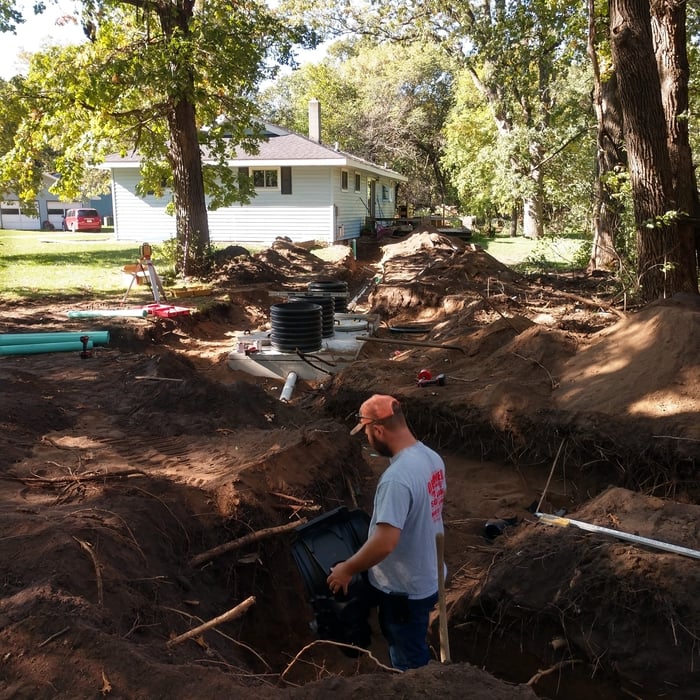
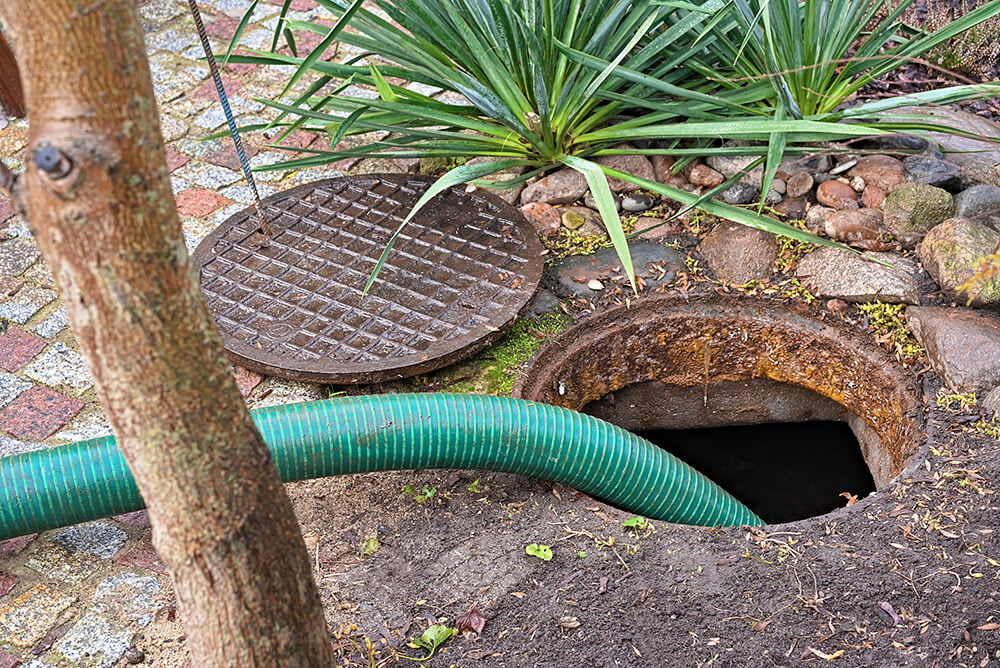
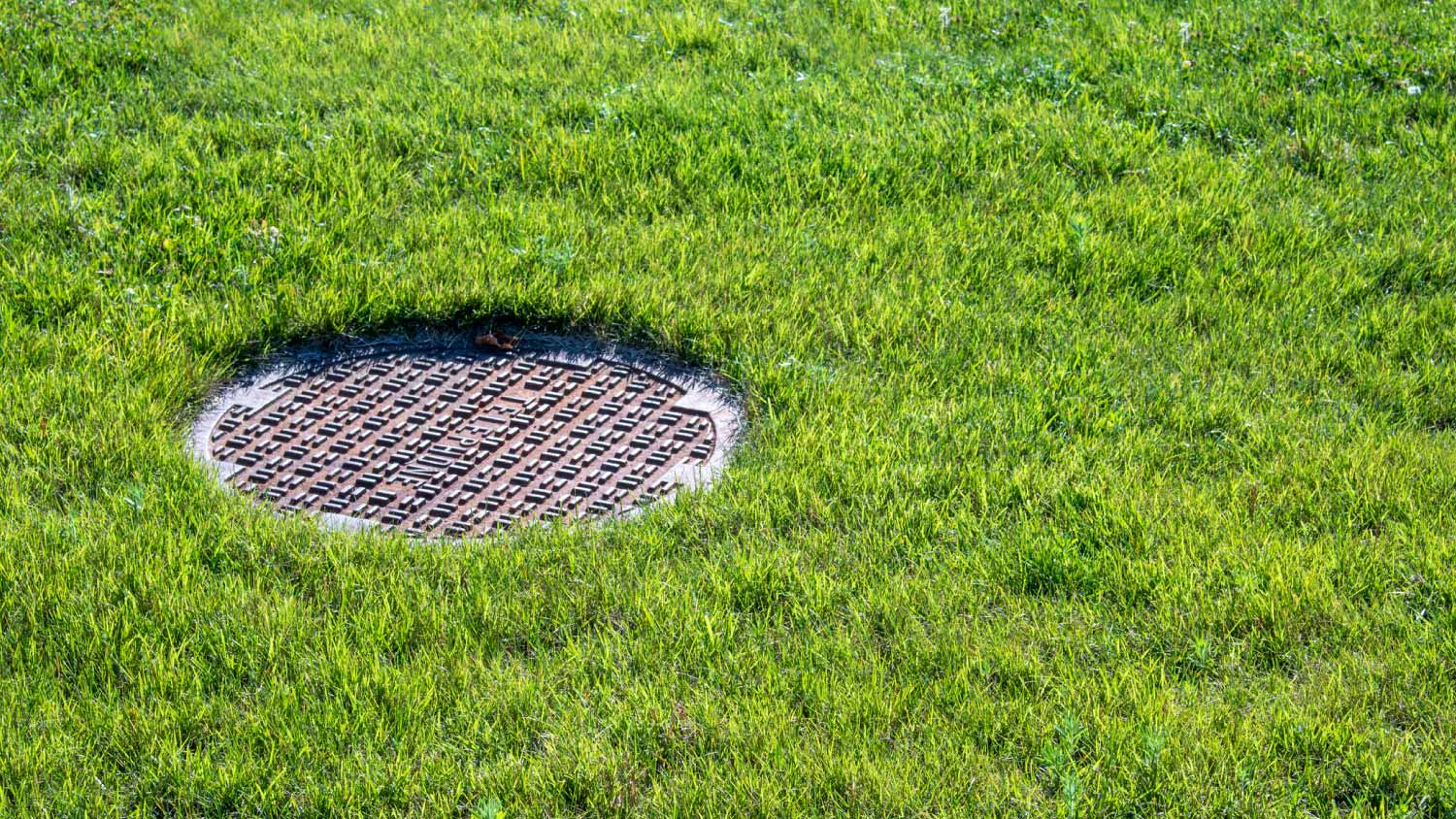
According to the Environmental Protection Agency (EPA), septic tanks must be located a decent distance from places subject to flooding or surface ponding. Additionally, septic tanks should be installed on level ground so that the waste can properly settle in the tank. Most tanks are located 10 to 20 feet away from the home. More specific requirements vary by location, so call a local septic pro or your local health department for more information.
The best bacteria to add to a septic tank is anaerobic bacteria, which doesn't use oxygen to break down solid waste. Because there is less oxygen in a septic tank, anaerobic bacteria can decompose sludge in a sealed environment. On the other hand, aerobic bacteria need oxygen and are prevalent in the leach or drain field of a septic system.
The Sebeka, MN homeowners’ guide to septic tank services
From average costs to expert advice, get all the answers you need to get your job done.
Caring for your septic system is crucial to ensuring its long life. But how much does it cost to pump a septic tank? We explore the different cost factors.
A damaged septic system can leak odors and sewage, so repairs are urgent. Find out how much septic tank repair costs based on repair type, tank size, and more.
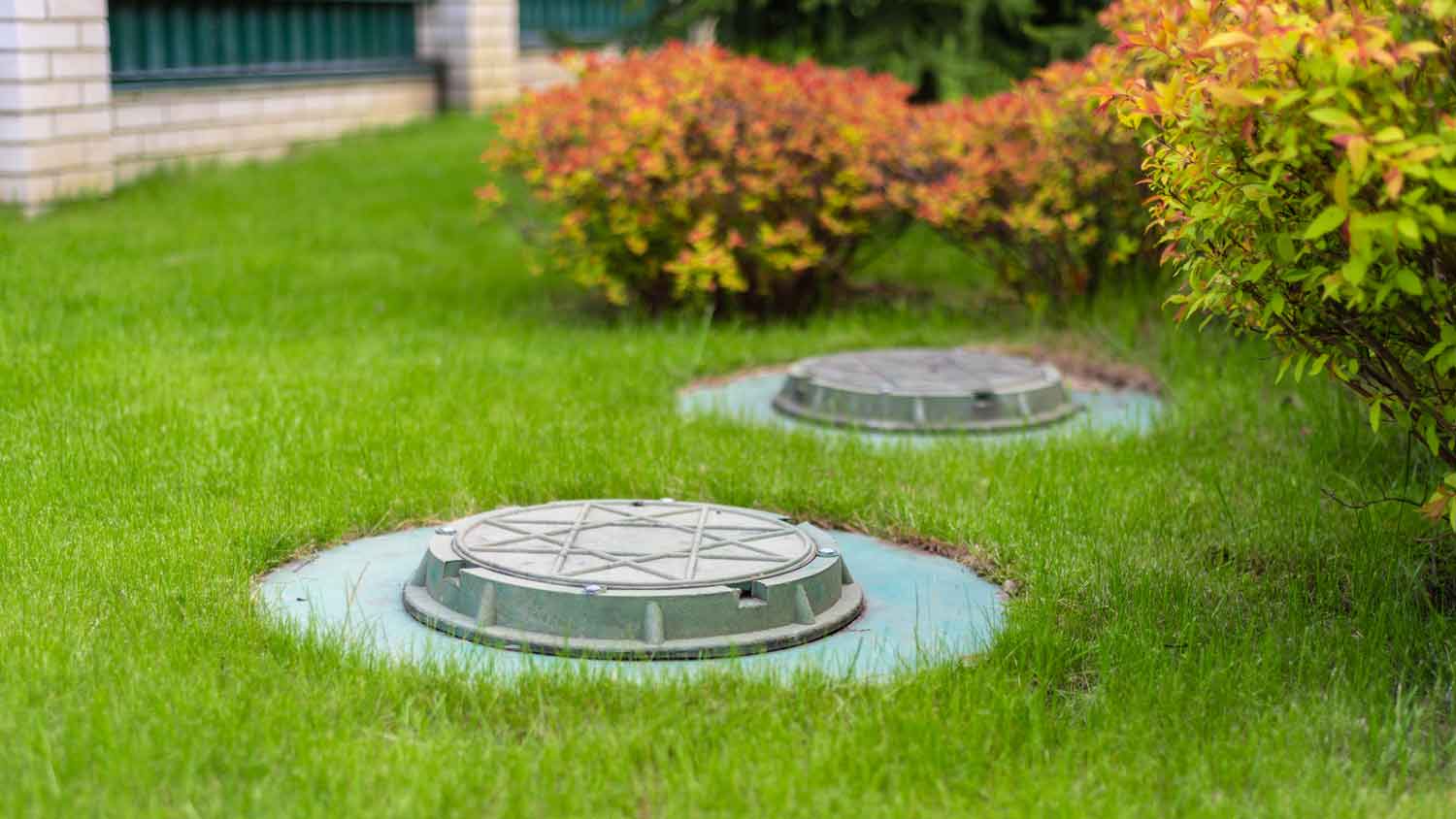
Septic tank risers make it easy to access your septic tank when it’s time for routine inspection, maintenance, and pumping, saving you precious time and labor costs.
Septic tank sizes vary depending on the size of your home, how many people live there, how much water you use, and more. Read on to learn how to determine the right size for you.