







Top-rated painters.

Get matched with top painters in Sebeka, MN

Enter your zip and get matched with up to 5 pros

Need a pro for your painting project in Sebeka, MN?

Select your specific project to find the pro for you.

Find Painters in Sebeka

Straight-Line Painting & Staining
5.0(
38
)
Interior Painting or Staining: 1 - 2 RoomsInterior Painting or Staining: 3 - 4 RoomsInterior Painting or Staining: 5 + Rooms

Serving Sebeka, MN and surrounding areas

Approved

In business since 2013

Free estimates

Credit card accepted

"I received Jamie's name from a Perham paint supplier. Upon receiving my text, Jamie responded immediately. I sent him my address and a few pics of the house. Even though I wasn't able to meet with him that night. He came out to inspect the house for bid. He sent a couple questions, which I replied.I returned home that evening to a bid on my phone. Impressive, I thought. When can you start? Monday he replied. I have a two story house 4,600 sq ft. It took two weeks to complete. Not only was the job done to my satisfaction. They went above my expectations. I was so pleased that i added a few hundred dollar tip as a thank you bonus. Respectful, considerate, focused! That was our experience!"
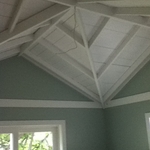
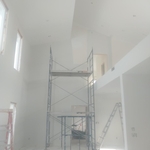
Interior Ceiling
Interior Ceiling
Interior Ceiling
Interior Ceiling
Interior Ceiling

+66

Response time1 day
Response rate91%
Recommended by100%of homeowners

Showing 1-10 of 36
Painting questions, answered by experts

Limewash and whitewash are two techniques used to give brick a light, matte finish, but they differ in composition, application, and permanence. The best choice depends on your aesthetic goals and the specific surface.

Composition

  • Limewash: A natural and environmentally friendly option made from limestone, water, and sometimes pigments. It is breathable and soaks into porous surfaces like brick.

  • Whitewash: Traditionally made from lime, water, chalk, and binders, but a similar look can be achieved with watered-down white paint. It is paint-based and sits on top of the surface.

Appearance and Finish

  • Limewash: Provides a natural, textured appearance that allows the brick's character to show through. It offers a more traditional finish.

  • Whitewash: Creates a softer, more opaque finish, often used for a rustic or shabby-chic style.

Application and Permanence

  • Limewash: Is semi-permanent and can be removed, making it a good choice if you might want to change the look in the future. It requires more skill to apply and cannot be used on previously painted brick.

  • Whitewash: Is a more permanent solution. It is more forgiving to apply and can be used on painted brick. However, because it sits on the surface, it can trap moisture.

Ultimately, if you want a breathable, natural, and reversible finish for unpainted brick, limewash is a great option. If you need a more permanent, opaque coating that can be applied over painted surfaces, whitewash is the better choice. Whitewashing may also be more economical, costing approximately $1.40 to $4.20 per square foot.

The best way to prepare your vinyl fence for a paint job is to clean it with warm, soapy water and rinse it with a hose or pressure washer on a low setting. Be sure to let it totally dry, then sand the surface before applying an epoxy-based primer. After the primer, you're ready to paint your vinyl fence.

You can weather a new wood fence by applying vinegar with steel wool as a way to fade some of the coloring. You may also find it easier to stain your entire fence a new color instead of trying to get newer fence boards to match an older one.

Yes, you can and should paint or stain pressure-treated wood to help prevent the boards from cracking. However, you must wait for the wood to dry out completely before applying any finish. Freshly treated wood can take weeks or even months to dry; a common recommendation is to wait three to six months. To check if the wood is ready, perform a simple water test: drip some water onto the surface. If the water beads up, the wood is still too wet and needs more time to dry. If the wood absorbs the water, it is dry enough to be painted or stained. You can proceed with building your deck or fence while the wood is still wet, but you will need to wait to apply the paint or stain.

Moisture and rot are the largest threat to wooden fences. Stain can help your wood fence last 15 to 20 years, but only if you choose a stain with waterproofing qualities or add a sealant. Oil-based stains create a thicker moisture barrier than water-based stains, though both are mold and mildew resistant. You’ll generally need to re-stain your fence every one to eight years to get full protection.
The Sebeka, MN homeowners’ guide to painting services

From average costs to expert advice, get all the answers you need to get your job done.