Mulchinator Land Management, LLC is a locally owned and operated company that values honesty and integrity and treats your home as if it were our own. You will find us to be competitively priced while still paying close attention to the details of each and every project we are involved with. We look forward to building lasting relationships and guarantee your satisfaction. Give us a call today to get your project started.
"I just pay $75 you never know who's going to come out. They do everything electrical. Just about everything is covered except the septic tank. I had an air conditioner replaced. It went great, all I had to do was pay for the freon. He didn't charge e more than what was needed."
We take great pride in our experience, expertise, quality and customer service that
\nwe provide to meet your needs. It is our mission to provide excellent workmanship
\nand complete customer satisfaction from start to completion of a project.
\nIn order to understand the needs and expectations of our customers,
\nwe take great care to work and communicate with every customer a professional manner.
\nOur reputation is based on service, safety and quality, regardless of how large
\nor small the job.
We have the experience and we are committed to providing quality workmanship and
\nsuperior customer service on all our applications. We at Layman Excavating strive to
\nmaintain our reputation as a high quality, very service oriented company with our
\nmain focus being customer satisfaction.
\n
Saving money on property taxes and having direct control over your waste system are both pros when buying a house with a septic tank. However, it’s easier on the house and the yard if a home can be hooked up to a municipal system, which is why septic tanks are best for homes where that isn’t an option. Expensive repairs, potential odor issues, and regular maintenance are all cons of septic systems.
Your drain field or leach field should be 1 to 3 feet under the ground. It will be a little shallower than the septic tank, although it can be the same depth or slightly deeper. The proper depth of the septic tank is up to 4 feet. It’s possible that your local regulatory agency requires a certain depth for your drain field.
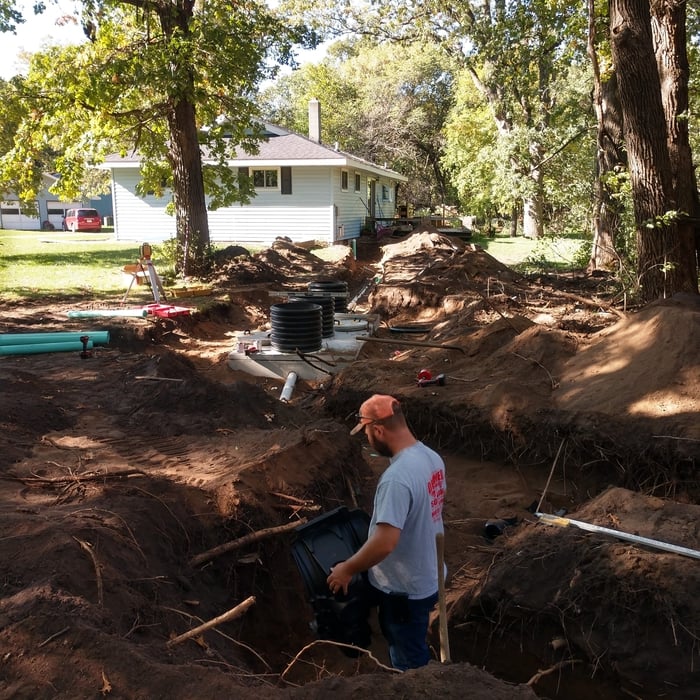
The septic installation company must follow several steps to put in a new septic system and leach field. The installer will study your property and determine the best place for the tank and leach field. The site should be away from existing structures, be free of trees, and have proper drainage and grading. Preparing the site for the tank and leach field will require significant excavation work.
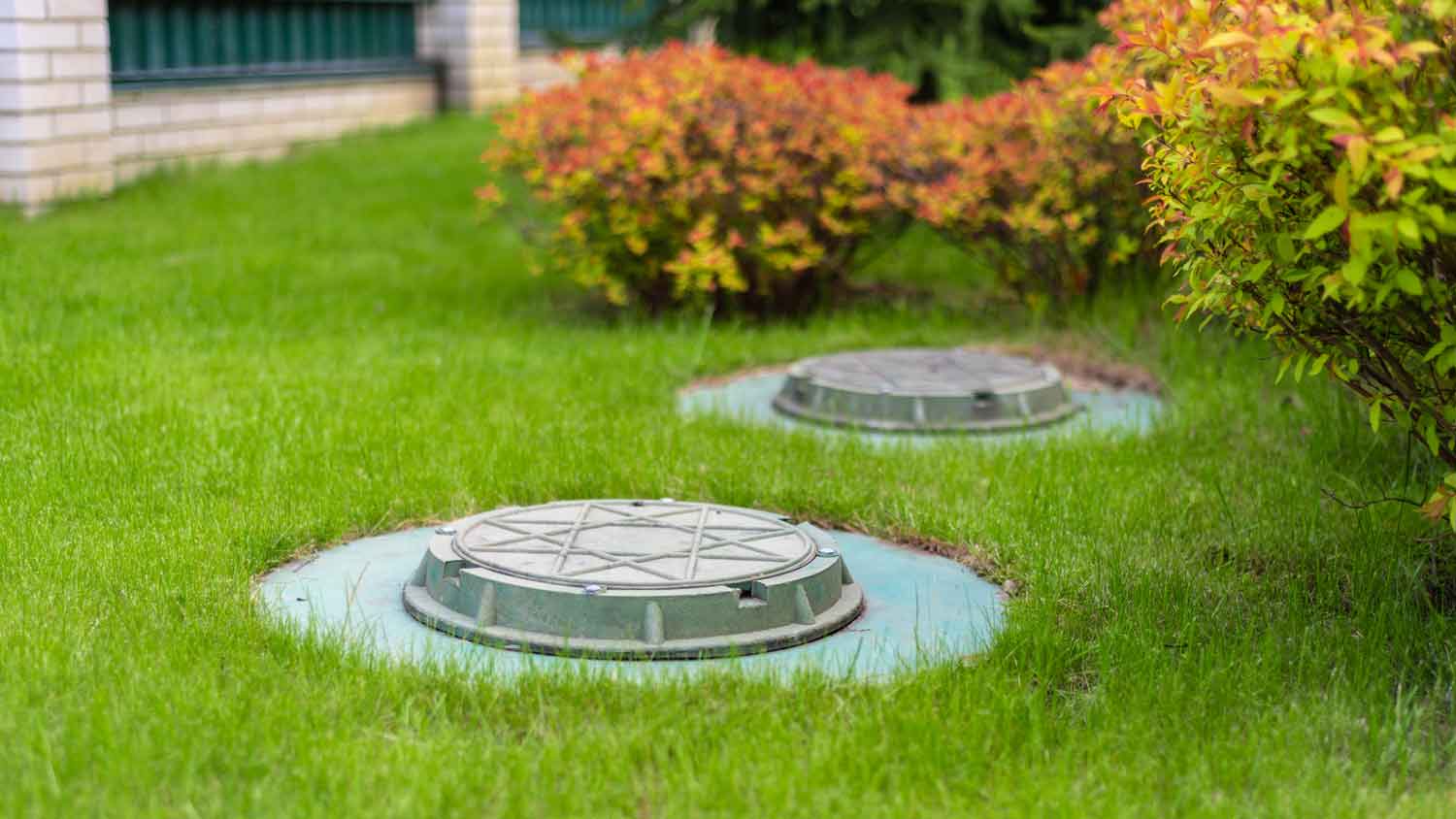
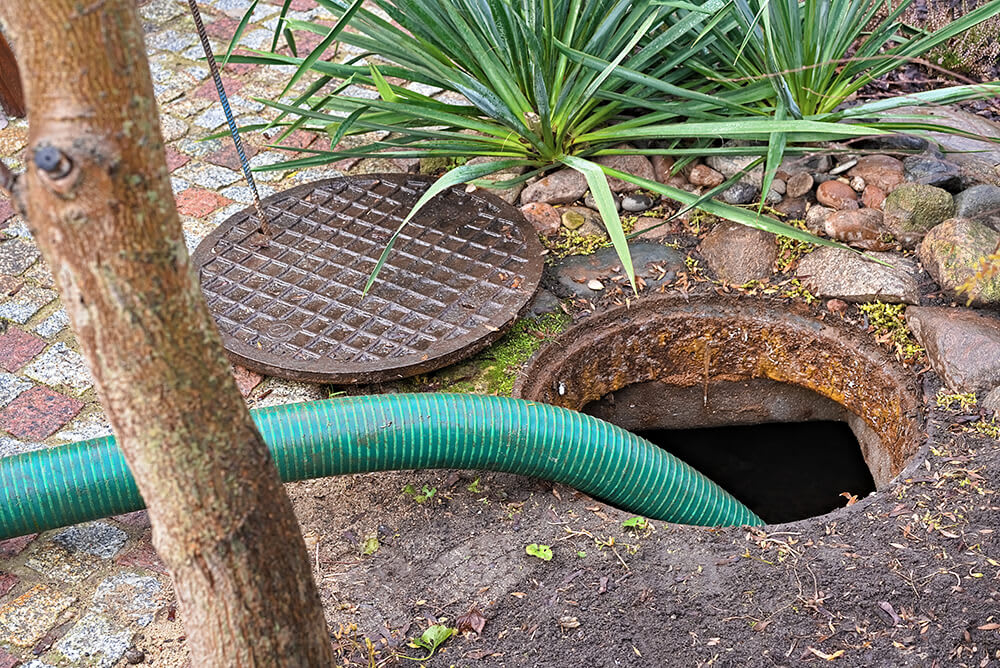
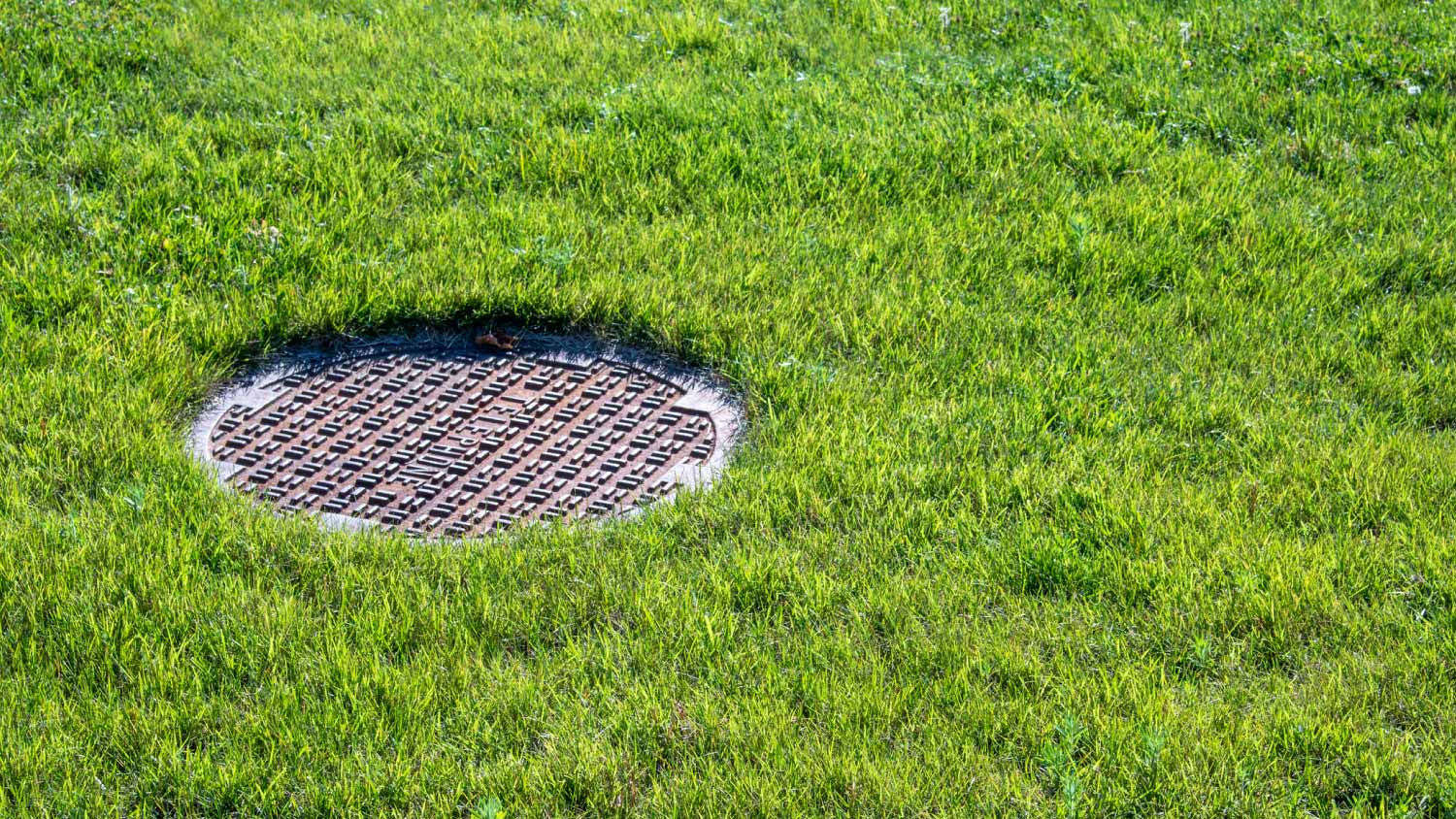
Yes, a septic tank riser can replace a concrete septic tank lid. Risers are designed to replace various types of septic tank covers, including concrete, metal, and fiberglass, to provide easier access for pumping and repairs. While a plastic riser makes future access more convenient, the initial replacement can be difficult because concrete lids are very heavy, so it is a job best left to professionals. Once installed, you will need to be cautious around the riser during yard work, such as mowing, to avoid causing damage.
When considering the price of drilling a well, factor in how much you’ll save in water costs per year. The average family of four uses 100 gallons of water per person per day in the U.S. With a private water well, you can save hundreds each year.
Wells are also environmentally friendly. You don’t need to worry about drinking water treated with chemicals. Talk to at least three well pump contractors in your area. They’ll be able to tell you more about your options, give you different quotes, and discuss the biggest concerns.
The Henning, MN homeowners’ guide to septic tank services
From average costs to expert advice, get all the answers you need to get your job done.
Caring for your septic system is crucial to ensuring its long life. But how much does it cost to pump a septic tank? We explore the different cost factors.
It’s crucial to install a septic tank with the right volume to avoid wastewater backups. This guide will help you calculate the right septic tank volume.
Septic tank sizes vary depending on the size of your home, how many people live there, how much water you use, and more. Read on to learn how to determine the right size for you.