






Mulchinator Land Management, LLC is a locally owned and operated company that values honesty and integrity and treats your home as if it were our own. You will find us to be competitively priced while still paying close attention to the details of each and every project we are involved with. We look forward to building lasting relationships and guarantee your satisfaction. Give us a call today to get your project started.
"I just pay $75 you never know who's going to come out. They do everything electrical. Just about everything is covered except the septic tank. I had an air conditioner replaced. It went great, all I had to do was pay for the freon. He didn't charge e more than what was needed."
We pride our company on reliability, great communication, integrity, and quality work. Our top priority is customer satisfaction and will go the extra mile. We are experts in our trade and will work with you from conception to competition. We strive in making all clients, repeat clients. \n\nCall us today you'll be relieved you did. Thank you
We have the experience and we are committed to providing quality workmanship and \nsuperior customer service on all our applications. We at Layman Excavating strive to \nmaintain our reputation as a high quality, very service oriented company with our \nmain focus being customer satisfaction.\n
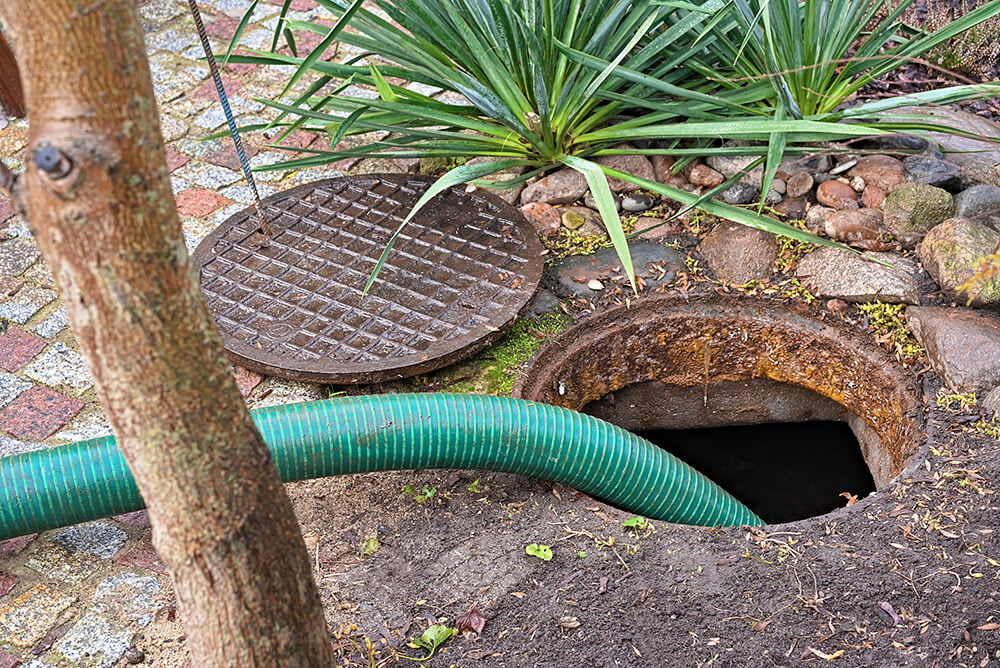
Recognizing signs of a failing septic system is crucial to prevent costly damage and health hazards. Foul odors in and around your home, slow drainage in sinks and toilets, or gurgling noises in plumbing fixtures can indicate problems with drainage. Lush, green patches of grass near the drain field or wastewater pooling on the ground are alarming signs that may indicate a leak in the system. If you notice any of these symptoms, it's vital to address them promptly to avoid more extensive and expensive issues.
Conventional anaerobic septic systems are the most cost-effective and least expensive type, with installation costs typically ranging from $3,000 to $8,000. For comparison, sand filter systems cost between $7,000 and $18,000, while mound systems are the most expensive at $10,000 to $20,000. Several factors influence the final price. The tank material is a key consideration; plastic tanks are the most budget-friendly option, starting around $2,900, but concrete and fiberglass tanks offer greater durability and longer life spans at a higher cost. The size of the tank also affects the price. For example, a 1,000-gallon tank costs between $900 and $1,500, whereas a larger 1,500-gallon tank costs $1,500 to $2,500.
Your septic tank may be full or clogged if you notice household drains that are backed up, draining slowly, or gurgling; greener, lusher grass around the septic system; pooling water in your yard; or smelling sewage odors outdoors. You can contact a local septic tank pro to inspect your septic system and pump your tank.
Rainwater doesn't have a direct impact on the amount of water in your well. Instead, the majority of rain runs off into other bodies of water such as streams, rivers, and lakes. These bodies of water may sometimes function as the area’s reservoir and create aquifers, which then help to replenish your well.
Yes, it is generally okay to oversize a well pressure tank, and it will not harm your well system. The primary advantage is that a larger tank reduces frequent pump cycling, leading to longer, slower cycles with fewer startups. This can result in less wear and tear, potentially increasing the lifespan of the pump and conserving energy. However, there are drawbacks to consider. Oversized tanks have a higher upfront cost and require more physical space. While not necessarily a bad thing, opting for a tank that is appropriately sized for your well is often the most efficient choice in terms of cost and space.
The Dent, MN homeowners’ guide to septic tank services
From average costs to expert advice, get all the answers you need to get your job done.
It’s crucial to install a septic tank with the right volume to avoid wastewater backups. This guide will help you calculate the right septic tank volume.
Septic tank sizes vary depending on the size of your home, how many people live there, how much water you use, and more. Read on to learn how to determine the right size for you.