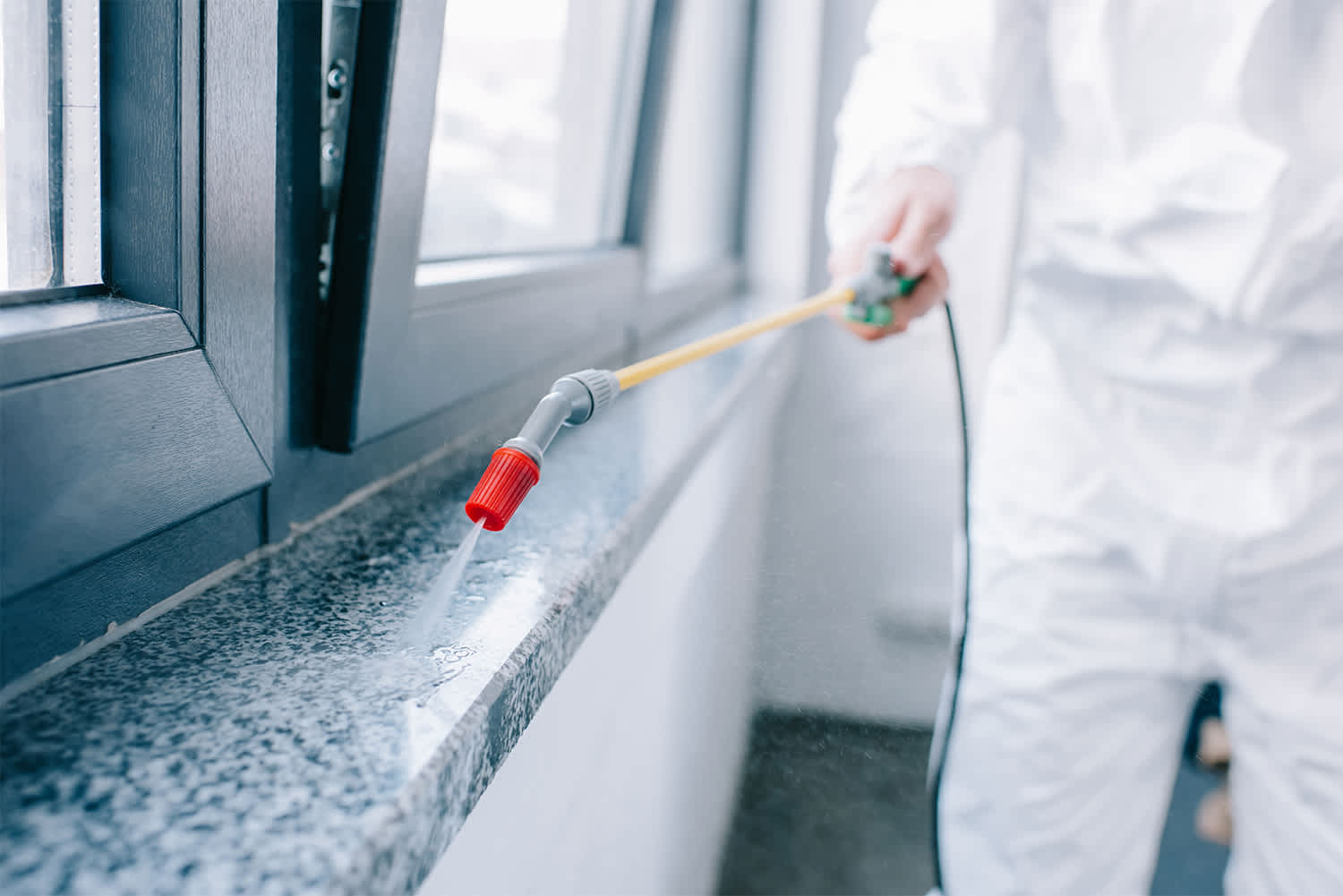
"Very knowledgeable guy who seem to know what he’s doing. Don’t know results of spraying. Have had much rain since. Will have to see if it worked. Terminex will spray again the beginning of next month."
"United Air Temp was able to procure a replacement furnace controller board in a couple of days and Zachary was out within 4 days of the initial visit. The furnace now works very well."
Since 1932, Presto-X (formerly Anderson Pest Solutions) has been providing expert pest control services guided by the enduring principles of providing world class service to our customers and taking care of our colleagues. Presto-X covers your home or business with expert knowledge, professionally licensed and trained technicians, and exemplary service designed specifically for you.
To keep wasps away from your home, you can consult with an exterminator about preventative measures and potential follow-up visits. For a non-lethal approach, consider installing a fake wasp nest, as this can deter wasps from building their own nearby. You can also use natural repellents. Wasps dislike the smell of substances like coffee grounds, cinnamon, and vinegar. Additionally, planting certain plants in your garden or in pots near doors can help repel them; these include eucalyptus, peppermint, lemongrass, and basil.
Yes, bats can cause quite a bit of damage to the attic. Their weight and movement from flying around can damage insulation, and they can chew through wiring and the walls. As if this isn’t enough, they leave their droppings throughout, which carry harmful bacteria and is dangerous for humans to breathe in, not to mention the extremely foul-smelling odor.
While bleach is an effective roach killer, we don’t recommend using bleach as a drain cleaner. Bleach can release toxic fumes from your drains. Applying this chemical could cause damage to the entire drain system over time. It's better to use homemade drain cleaners or cleaners that don't contain bleach.
Scientists have found that the chemical traces a dying wasp releases can agitate nearby wasps and make them more aggressive. It may not necessarily attract wasps, but it will make wasps in the area more likely to investigate and feel threatened, which leads to more stings. As a result, it’s not a good idea to swat or crush a wasp anywhere near their nest. Once you have found a nest, hire a wasp exterminator.
Foxes can catch rabies. However, it is rare, and even rarer for them to pass this disease on to humans. If you do see a fox in your vicinity acting strangely, disorientated, having seizures, or randomly trying to bite, contact your local animal control, police, or Department of Environmental Control. And if you are scratched or bitten by an animal you suspect has rabies, seek medical treatment immediately.
The Miltona, MN homeowners’ guide to pest control services
From average costs to expert advice, get all the answers you need to get your job done.