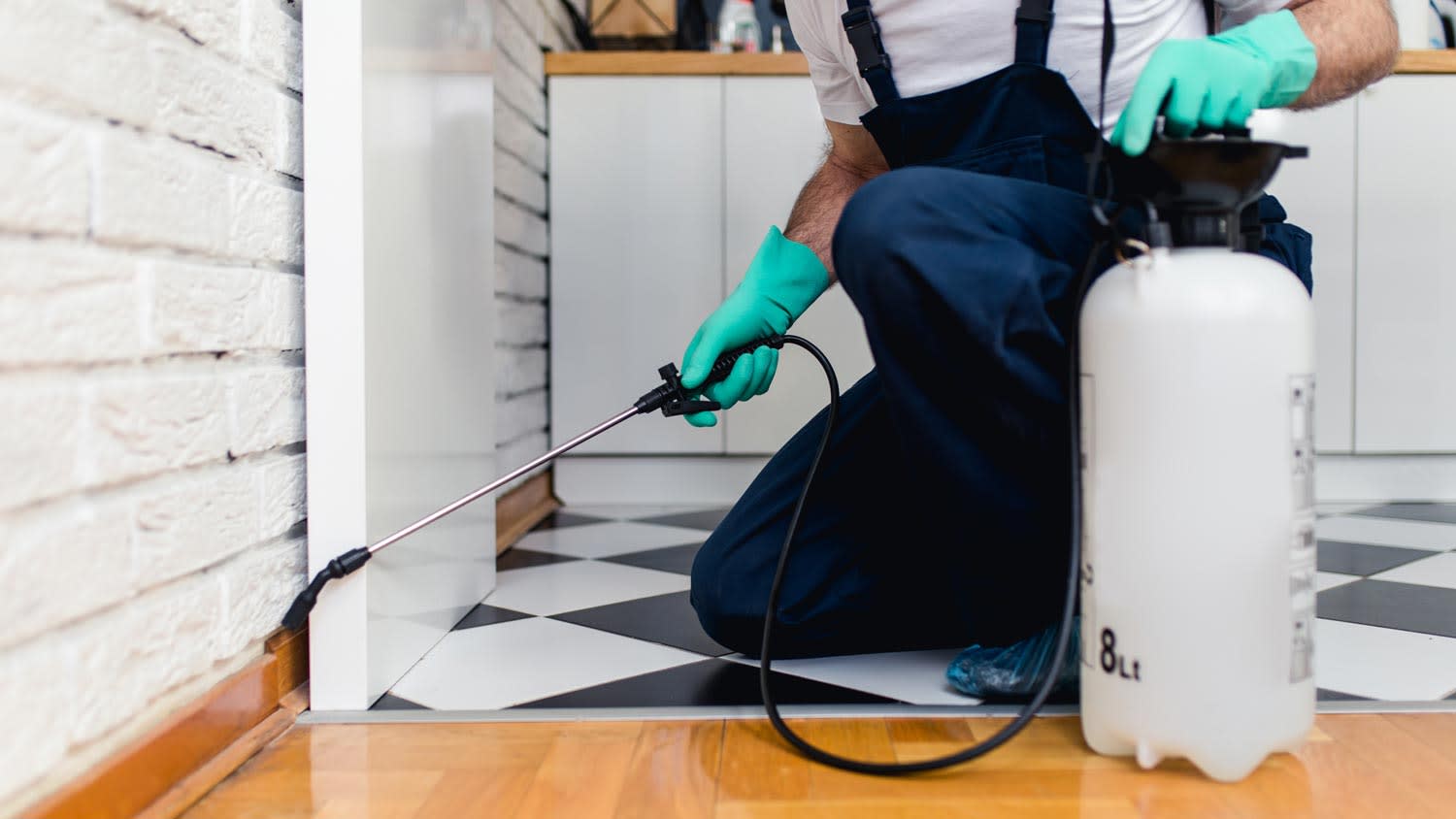
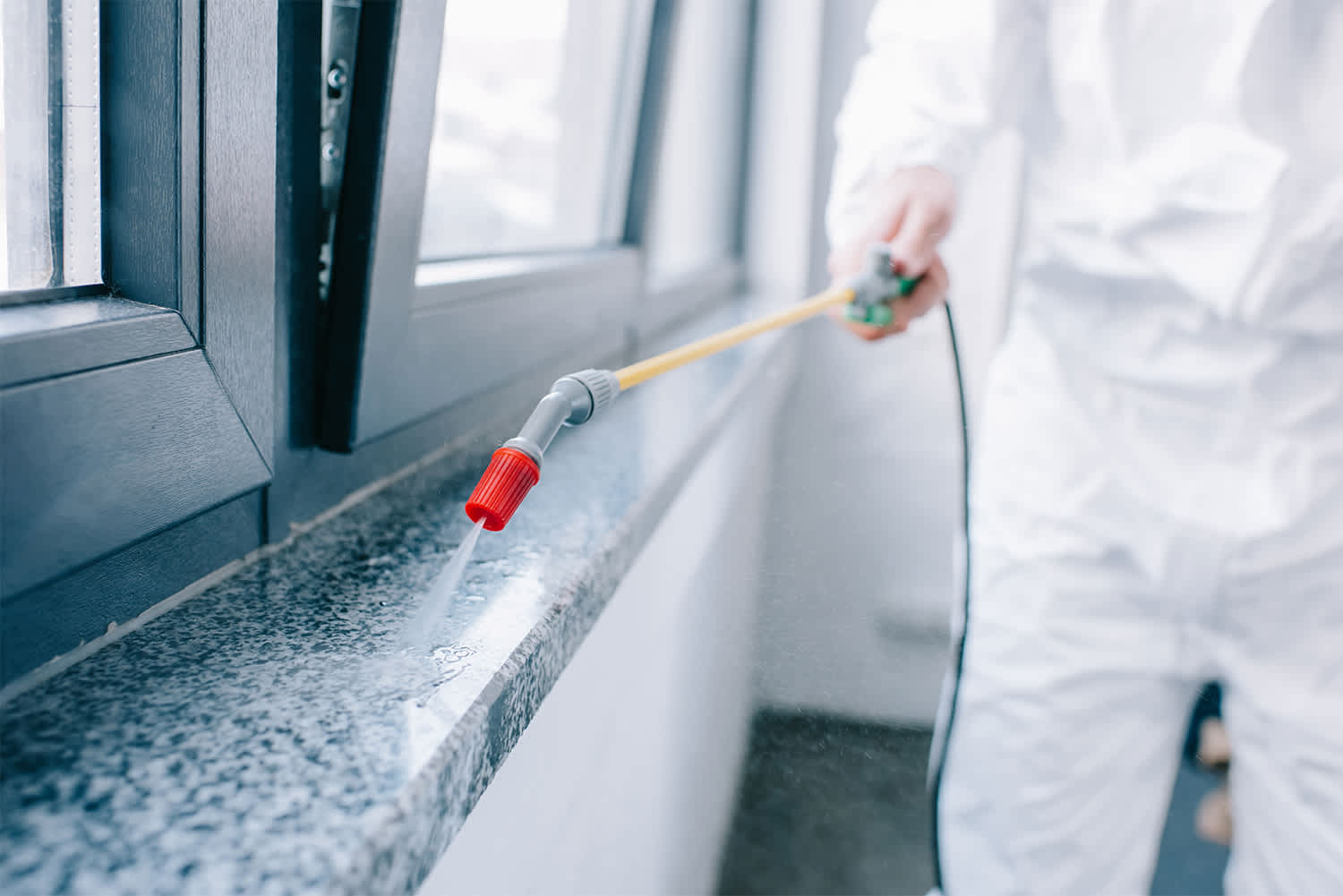
"Very knowledgeable guy who seem to know what he’s doing. Don’t know results of spraying. Have had much rain since. Will have to see if it worked. Terminex will spray again the beginning of next month."
"United Air Temp was able to procure a replacement furnace controller board in a couple of days and Zachary was out within 4 days of the initial visit. The furnace now works very well."
Since 1932, Presto-X (formerly Anderson Pest Solutions) has been providing expert pest control services guided by the enduring principles of providing world class service to our customers and taking care of our colleagues. Presto-X covers your home or business with expert knowledge, professionally licensed and trained technicians, and exemplary service designed specifically for you.
Bed bugs are most active when we are most inactive, typically from 2 a.m. until 5 a.m. They are cunning, and adjust their schedules according to their victims. If you work at night, for instance, your bed bugs will flip the script.
Scorpions are repelled by strong scents like lavender, cedar, peppermint, and cinnamon. Applying essential oils of these scents mixed with water around your home's perimeter and entry points can act as a mild, chemical-free deterrent. In addition to scents, scorpions also tend to avoid well-lit areas, preferring to hide in dark, cool, and damp places during the day. However, it's important to note that these methods are not fully effective on their own and should be combined with other preventative efforts, such as sealing any potential entryways into your home.
Stink bugs don't build nests, but they do like to hang around out of sight. They typically hide in cracks, crevices, and tight spaces within buildings, especially during the colder months. They are often found in attics, crawl spaces, and along walls or ceilings. To find them, give these areas a detailed inspection, particularly around windows, doors, and vents.
While carpet beetles won’t bite you like bed bugs do, they still aren’t pests you’d want to find in your home. Carpet beetles in their larva stage can be voracious and cause a lot of damage as they eat through fabrics on furniture, clothing, bedding, rugs, and other materials. If you see carpet beetles, you’ll want to have an exterminator come by to assess the damage and control the infestation.
Badgers have a strong sense of smell, so it’s possible you can deter them with strong scents, such as applying citronella oil to the bottom of your fence, adding crushed scotch bonnet peppers sprinkled throughout your garden, or mixing both of these into a solution to spray around your home and garden.
The Eagle Bend, MN homeowners’ guide to pest control services
From average costs to expert advice, get all the answers you need to get your job done.