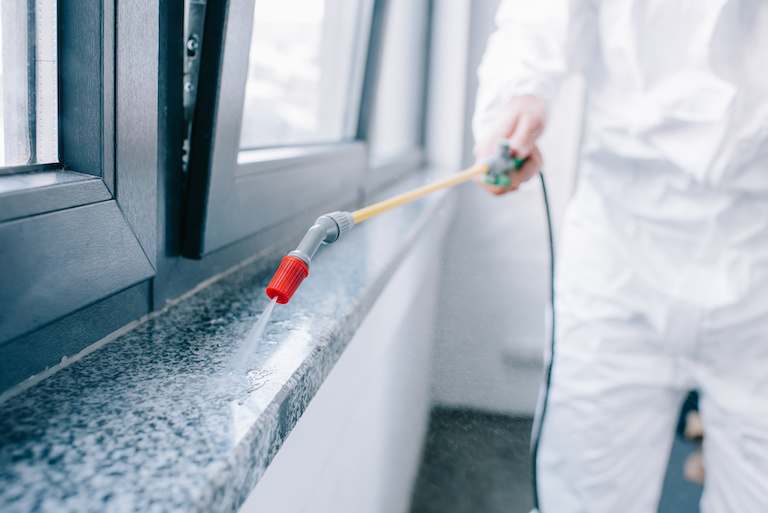
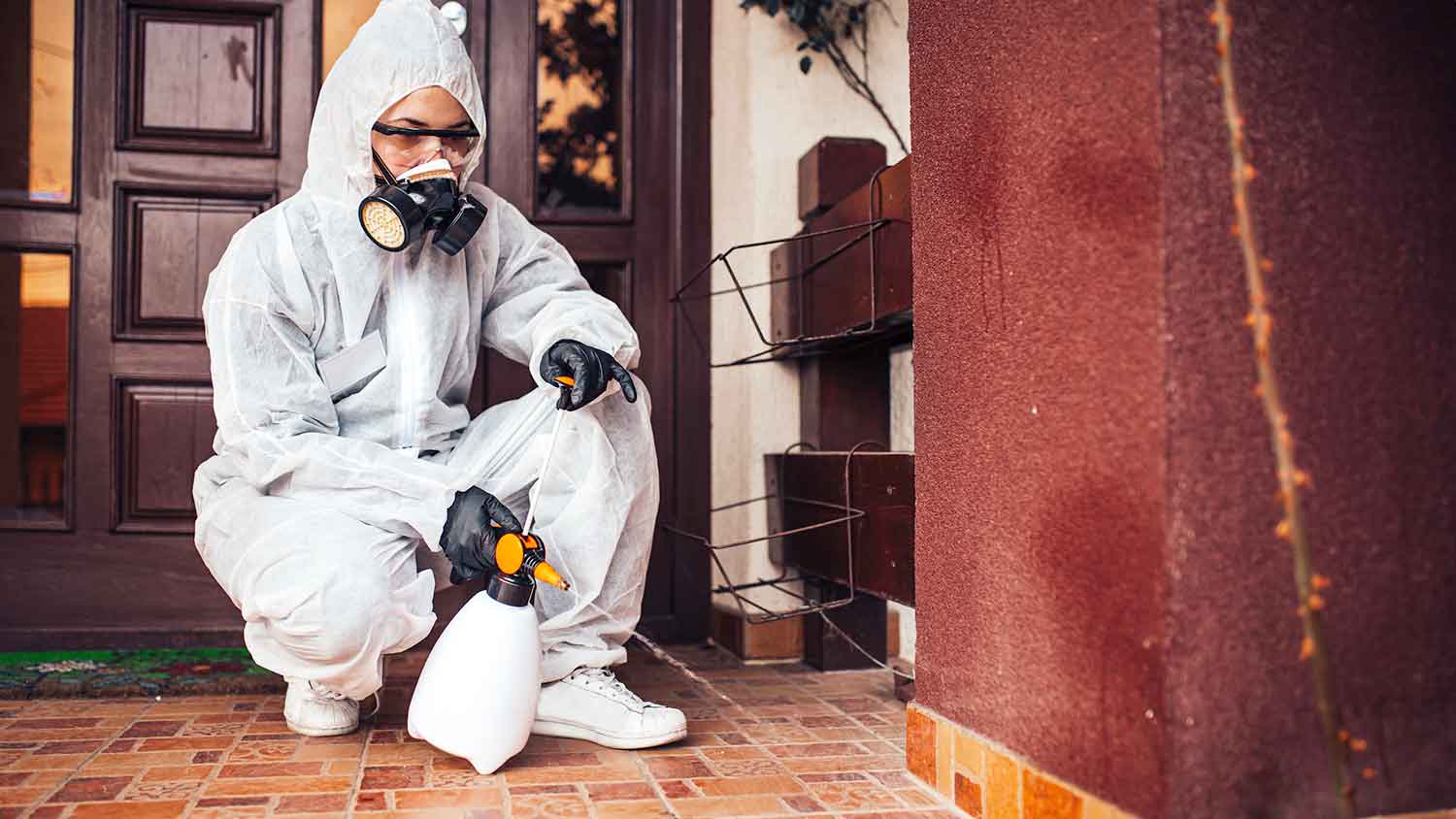
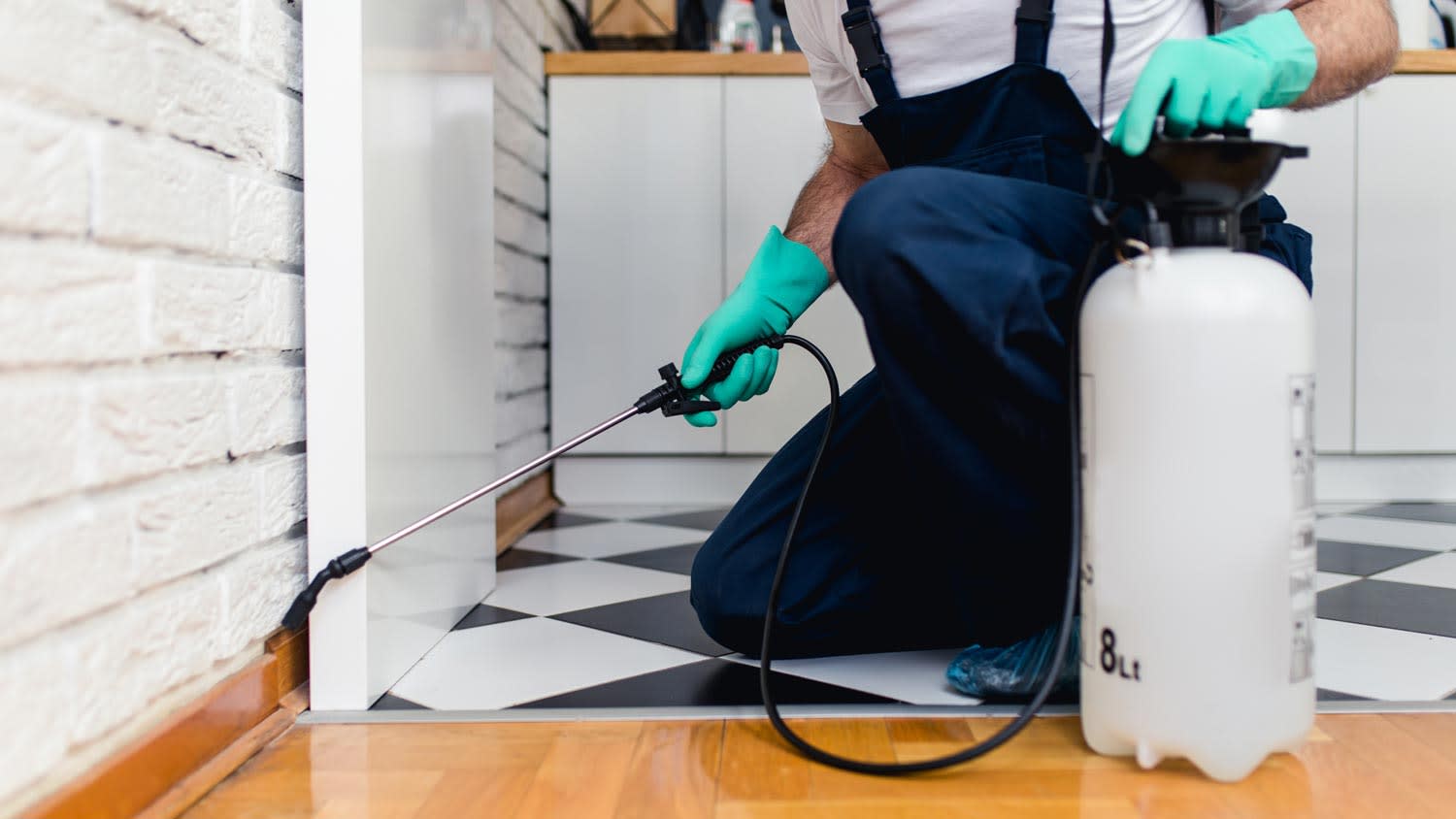
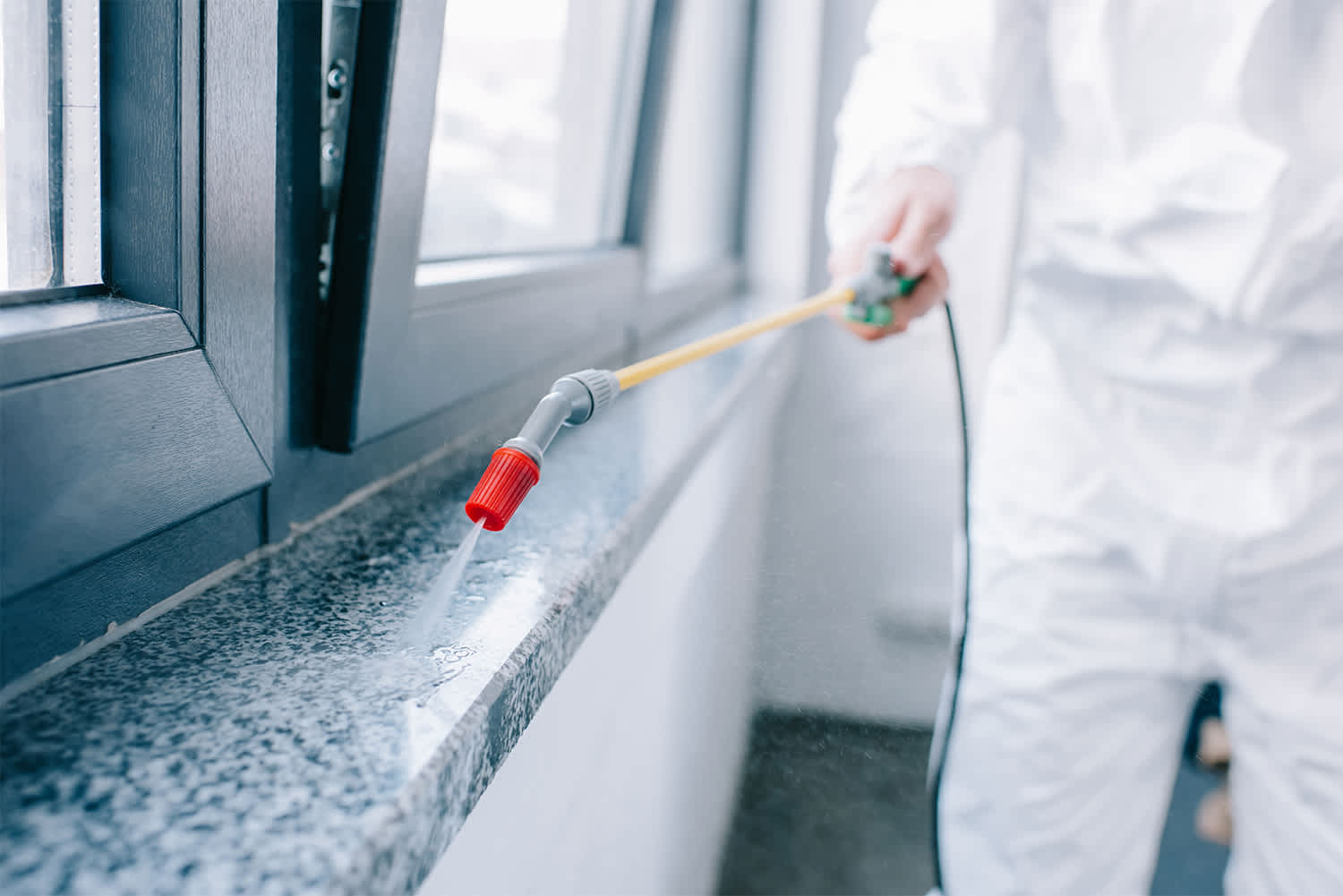
"Very knowledgeable guy who seem to know what he’s doing. Don’t know results of spraying. Have had much rain since. Will have to see if it worked. Terminex will spray again the beginning of next month."
"United Air Temp was able to procure a replacement furnace controller board in a couple of days and Zachary was out within 4 days of the initial visit. The furnace now works very well."
Since 1932, Presto-X (formerly Anderson Pest Solutions) has been providing expert pest control services guided by the enduring principles of providing world class service to our customers and taking care of our colleagues. Presto-X covers your home or business with expert knowledge, professionally licensed and trained technicians, and exemplary service designed specifically for you.
Both spikes and loose nets can be installed over nest sites to prevent the bird from returning, but nets are not a humane option since birds and other wildlife can get tangled in them.
Spikes are a humane alternative that deter nesting without harming the birds. In small areas, like vents, a very fine mesh net can be installed to prevent the bird from returning. These nets don't generally pose a risk to the birds.
Armadillos are not considered friendly animals. They are solitary and tend to avoid human interaction. While not aggressive, they can be shy and reclusive, often scurrying away when approached. Armadillos may carry diseases, so handling them is not advised.
Maintain sealed entry points, use deterrents like spikes or sonic devices, and keep areas clean to discourage nesting.
Mud tubes, wood damage, and swarming are typical indicators.
Whether you, your dog, or your cat has been sprayed, Poison Control recommends using a solution of 1 quart of 3% (household strength) hydrogen peroxide, ¼ cup of baking soda, and 1 teaspoonful of liquid dish detergent mixed together and immediately applied to the sprayed fur or skin to get rid of skunk smell. After leaving it on for five minutes, rinse with water. If your eyes get sprayed, rinse for at least 15 minutes with room-temperature water.
The Garfield, MN homeowners’ guide to pest control services
From average costs to expert advice, get all the answers you need to get your job done.