






Top-rated arborists.

Get matched with top arborists in Mcgregor, MN

Enter your zip and get matched with up to 5 pros

Need a pro for your arboricultural service project in Mcgregor, MN?

Select your specific project to find the pro for you.

TRUSTED BY MCGREGOR, MN HOMEOWNERS

  • Average homeowner rating star icon4.7
    Average homeowner rating
  • Verified reviews icon20
    Verified arboricultural services reviews

Find Arborists in Mcgregor

Avatar for Campbell's LLC
Campbell's LLC
5.0(
9
)
Tree RemovalTree Removal - For Business

Serving Mcgregor, MN and surrounding areas

Approved

In business since 2023

Free estimates

Emergency services offered

"Itâ s not just what you do itâ s how you do it. Zak is a very experienced earth mover and also one of the nicest contractors Iâ ve ever met. Graded our entire driveway and front lot exactly the way we wanted and cleaned up after. Best in class."
Response time12 hrs
Recommended by100%of homeowners

Avatar for SFC Terrain Works
SFC Terrain Works
5.0(
7
)
Tree RemovalTree Stump - RemoveTree Removal - For Business

Serving Mcgregor, MN and surrounding areas

In business since 2025

Free estimates

Emergency services offered

"I hired SFCterrainworks to remove several large trees and to remove a large brush pile. Excellent work all around! Very considerate through every step and very competitive pricing. I have used other contractors in the past for comparison. I highly recommend SFCTerrainworks."
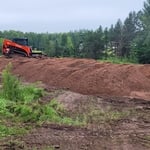
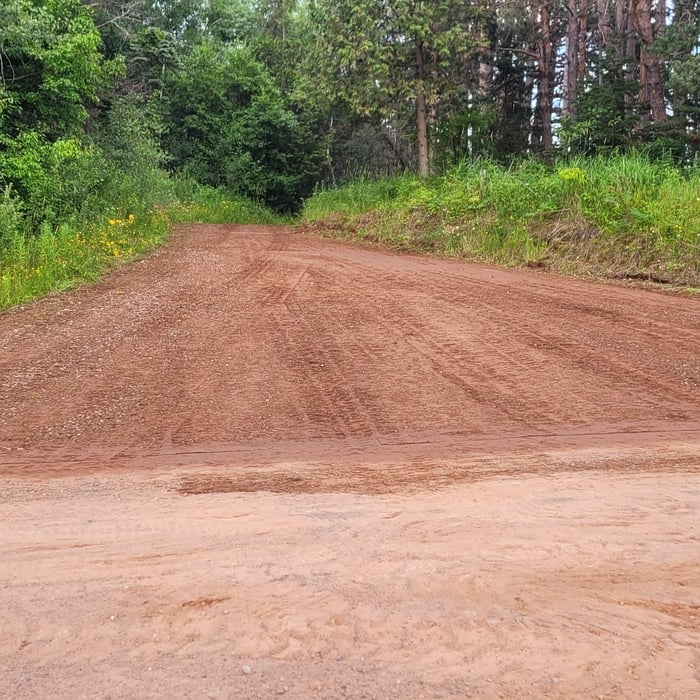
Sand piles
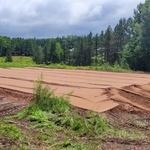
Spread and compacted
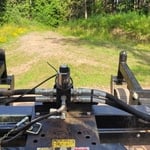
Powerrake attachment
After Compaction.
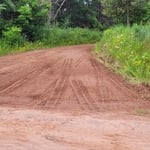
Gravel driveway TLC.

+2

Response time1 day
Response rate98%
6 neighbors recently requested a quote
Avatar for J. V. Tree & Landscaping
J. V. Tree & Landscaping
5.0(
4
)
Tree RemovalTree Removal - For BusinessTree Stump - Remove+7 more

Serving Mcgregor, MN and surrounding areas

In business since 1993

Emergency services offered

"I was very protective of how much limbing had to be done. We had some sick branches up high and we were concerned about loosing the tree altogether at some point. Jesse kept assureing me that it would fill back in and it would be ok. Only time will tell on that account, at this time I am confindent he knows that it will. All and all good experince.
"
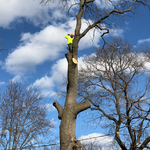
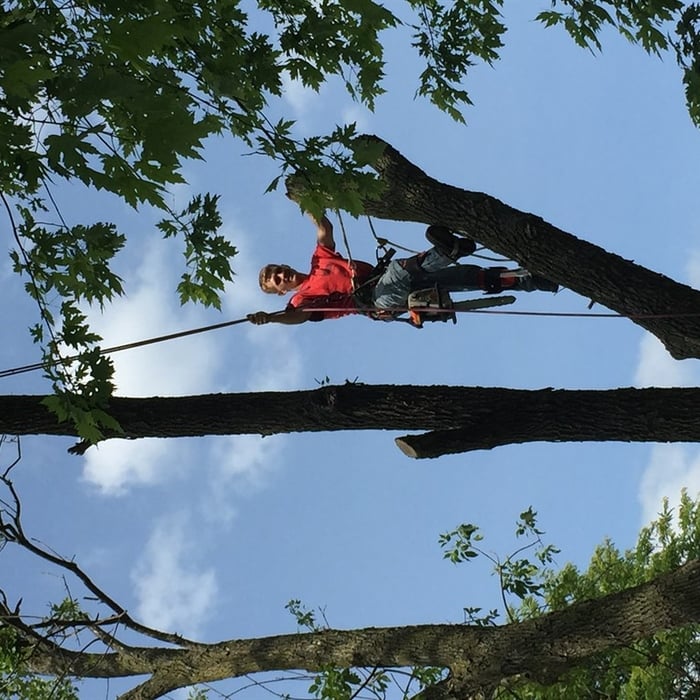
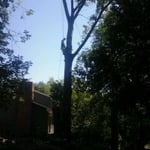
High risk climbing
High risk climbing
High risk climbing
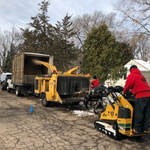
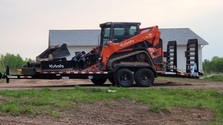
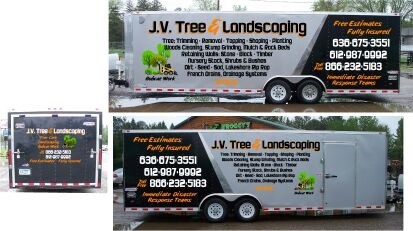
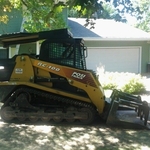
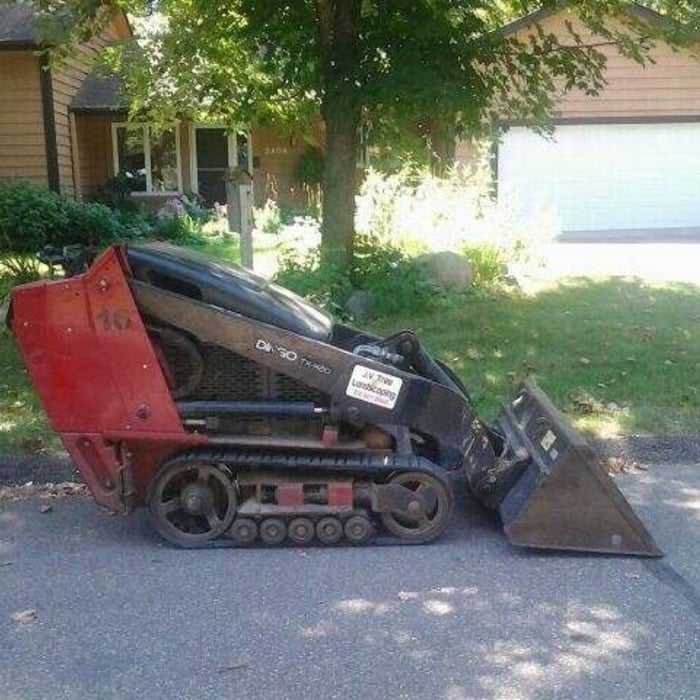
Trucks and Equipment

+11

Recommended by100%of homeowners
Showing 1-10 of 48
Arborists questions, answered by experts

You can use herbicides to prevent roots from growing without killing the tree itself, however they must be used with caution. Systemic herbicides are absorbed by the root and can kill off problematic roots. However, herbicides can sometimes negatively impact nearby plants, so the solution is best used sparingly.

Trees should be pruned every two to five years, depending on its age and type. Young trees should be inspected and pruned every two to three years. Mature trees should be inspected and trimmed every three to five years, and fruit trees should be pruned annually with a careful eye on seasonal growth. Evergreens typically don’t need pruning, unless branches or limbs are damaged, diseased, or harboring pests.

Common signs that a tree is rotting include dead branches, a leaning trunk, peeling or cracked bark, leaf discoloration, and the presence of fungi. If you notice any of these signs, it’s best to hire an arborist near you to inspect your tree and determine if it can be saved or if it needs to come down.

There are several methods to hollow out a tree stump, and the best one depends on your tools, experience, and priorities. Common methods include using a chisel and hammer, a chainsaw, or burning.

  • Chisel and Hammer: This is often considered the easiest approach for those with limited tools or experience, though it is the most time-consuming.

  • Chainsaw: Using a chainsaw is the fastest method, but it comes with significant safety risks, especially for inexperienced users.

  • Burning: This can be an effective method, but it is not recommended unless you can first drill holes into the stump. Without holes, the stump will be difficult to light and may not burn completely through.

A power drill with at least a ⅜-inch diameter bit can make the job quicker and easier, regardless of the primary method. While you can use a chisel or chainsaw without a drill, it will require more time and effort. Always wear protective goggles and thick gloves, as splinters are an inevitable risk.
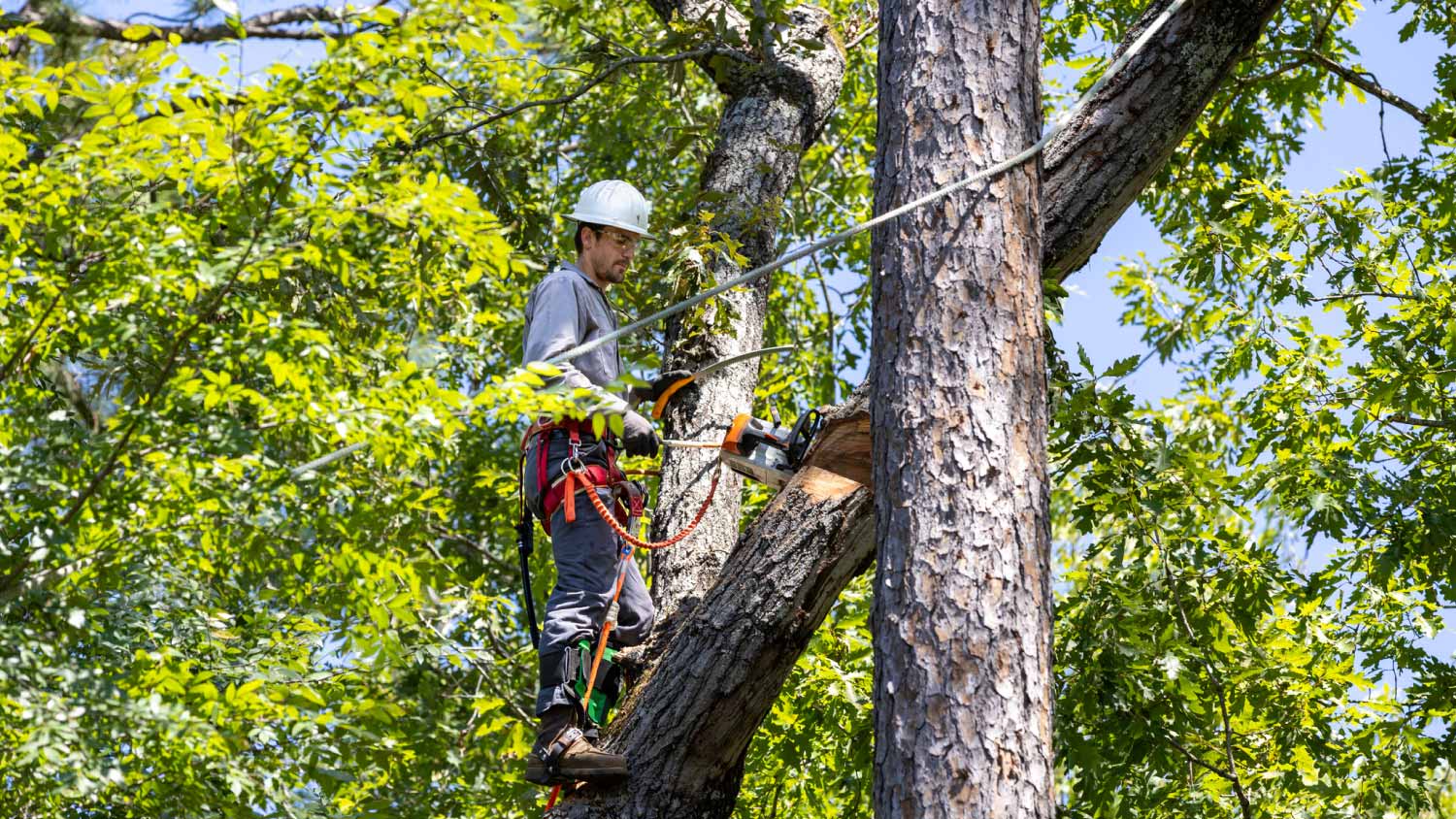
In most cases, you should not use a pruning seal on trees after trimming. Applying a sealant can interfere with the tree's natural healing process, and it does not guarantee protection from pathogens. Instead of sealing the cut, the best practice is to support the tree's natural recovery by providing it with plenty of water and a dormant-style fertilizer. However, there are exceptions. Pruning seals may be recommended for very vulnerable species, like elm trees, in areas where dangerous diseases such as Dutch elm disease are prevalent. In these specific situations, the protection offered by a sealant can outweigh its downsides. For advice tailored to your situation, especially after cutting large branches, it is best to consult a local tree trimming professional.

The Mcgregor, MN homeowners’ guide to arboricultural services

From average costs to expert advice, get all the answers you need to get your job done.