



Top-rated arborists.

Get matched with top arborists in Nisswa, MN

Enter your zip and get matched with up to 5 pros

Need a pro for your arboricultural service project in Nisswa, MN?

Select your specific project to find the pro for you.

TRUSTED BY NISSWA, MN HOMEOWNERS

  • Average homeowner rating star icon4.7
    Average homeowner rating
  • Verified reviews icon301
    Verified arboricultural services reviews

Find Arborists in Nisswa

Northern Tree and Landscaping Service, LLC
4.9(
29
)
Tree RemovalTree TrimmingTree Stump - Remove

Serving Nisswa, MN and surrounding areas

Approved

In business since 1999

Free estimates

Emergency services offered

"Edward, the work your team performed trimming several trees for me in Prior Lake was exceptional. You and your crew are very skilled and committed to doing a great job. We will use you again. Thanks"
Response time2 days
7 neighbors recently requested a quote
Recommended by81%of homeowners
Avatar for Stangls Stumps, LLC
Stangls Stumps, LLC
4.9(
34
)
Tree RemovalTree TrimmingTree Stump - Remove+3 more

Serving Nisswa, MN and surrounding areas

Approved

In business since 2015

Free estimates

Small jobs welcome

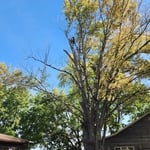
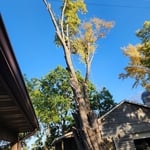
"They were hired to take down two big trees. Joe came out promptly for a quote, he was very knowledgeable, and reasonable. They did a wonderful job on the trees and clean up was great. We would definitely hire them again for any tree needs."
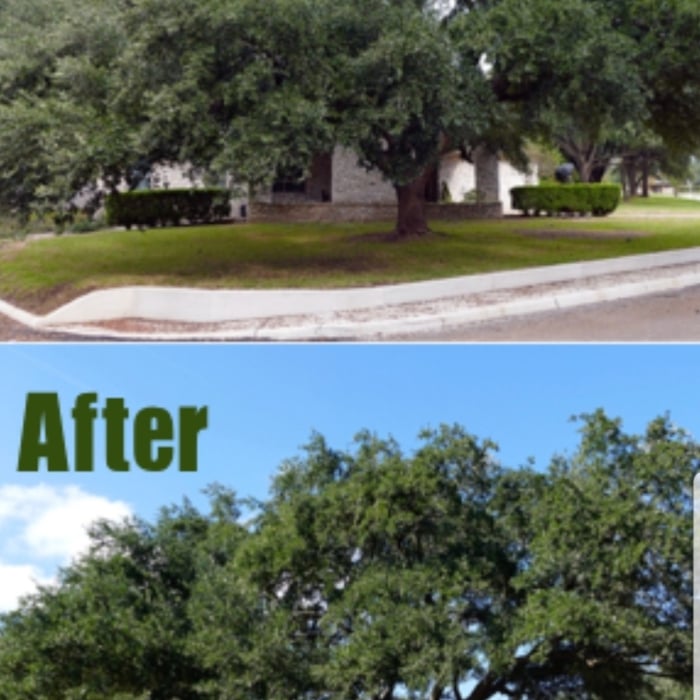
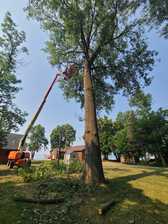
Oak removal
Oak removal
Oak removal
Oak removal
Response time7 hrs
43 neighbors recently requested a quote
Recommended by90%of homeowners
...
Showing 1-10 of 119
Arborists questions, answered by experts

Burning a tree stump can be effective, but it comes with safety considerations and isn’t always best for every situation. It's essential to check local regulations and assess the safety risks involved. Stumps that are near wooden structures or other non-moveable flammable objects aren’t good candidates for burning due to the risk of the fire spreading. Alternatives like grinding or a DIY stump rotting project might be safer and quicker for getting the job done.

According to scientists at Penn State University, spotted lanternflies do not typically kill the trees and plants they feed on, but they can cause branches and segments to die off. However, they have been found to kill cultivated grapes, which can have devastating consequences for vineyard owners and regions that heavily rely on vineyards to create jobs and generate revenue. They have also killed the Ailanthu altissima, known as the tree of heaven, though this is classified as a noxious and invasive weed tree.
You’ll have to balance up the cost, the value of the tree (sentimental or otherwise), and the risk factors. An experienced arborist will help you understand whether transplanting is likely to be successful. The cost and hassle of transplanting a large, well-established tree are often not worth it, especially if the species is fast-growing and easy to source. The decision depends on the age and species of the tree, the conditions in the new site location, and how careful the company is when digging out and moving the tree.

It is possible to cut down a tree on your property yourself, but it is generally not recommended unless specific conditions are met. You should only consider this project if the tree is small (e.g., under 4-5 inches in diameter and short enough that you don't need a ladder to reach the branches), and you are experienced in handling a chainsaw. The tree must also be located far from any power lines, fences, homes, or other structures. Even for small trees, the work can be dangerous, and it's always advisable to have a spotter to ensure the tree falls correctly and no branches fall on you.

For any tree that is large, requires a ladder to access, or is near electrical lines or structures, you should always hire a professional. Attempting to remove a large tree yourself is extremely dangerous, poses a risk of serious injury, and could result in significant damage to your property.

Before any tree removal, it's also important to check your local and state regulations to ensure the tree is not historic or otherwise protected by your city.

Palm trees are unique in that their roots don't grow straight down; they grow horizontally. Typically, palm tree roots go down between 12 and 36 inches deep. The roots grow far and wide from the base of the palm tree to absorb as much water and soil nutrients as possible. In addition, the horizontal roots are also very strong—keeping palm trees stable and helping them sway during storms.

The Nisswa, MN homeowners’ guide to arboricultural services

From average costs to expert advice, get all the answers you need to get your job done.