To get utilities set up on a property, you first have to contact the local department of planning to determine whether your property is able to connect to public utilities. From there, you can work with a structural engineer and/or a building contractor to design the layout of utility lines on the property. The pros will need this information as they begin securing building permits before they can start adding lines.
If your property isn’t able to connect to public utilities, you’ll need to consider working with pros to develop a comfortable off-grid home that will meet your needs.
No, a water descaler won't descale pipes. The charged water running through the pipes may very slowly dissolve mineral deposits and hold them inside the water, but it's a very gradual process. If your pipes do need descaling, it's much better to get a local plumber to descale your pipes.
Generally, it is safe to bathe in yellow water, as the color is often caused by iron, tannins, or rust, which won't harm your skin. Soap will still clean you effectively, though the water might leave stains. However, if the water has an unusual smell or you suspect contamination, avoid bathing and contact a plumber for an inspection. A professional can also help if you find bathing in yellow water problematic and want to determine how to get your water clear again.
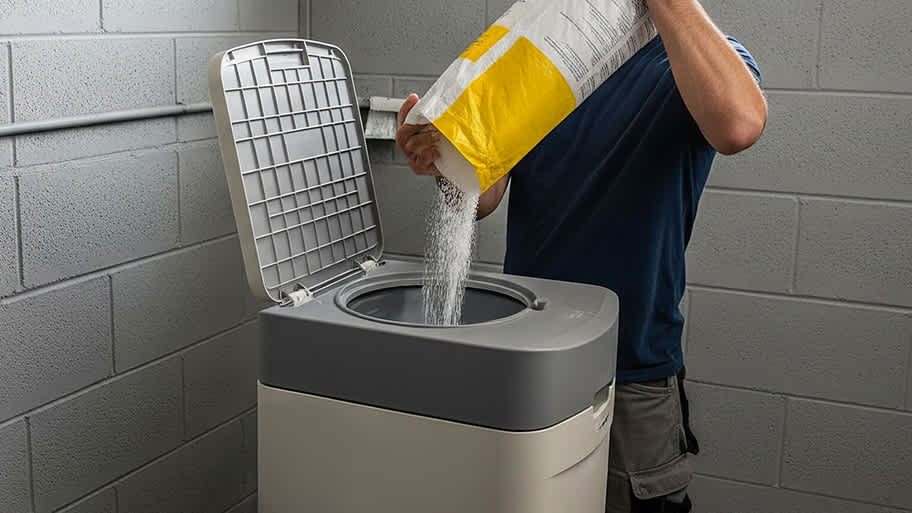
You can install a water softener system by turning off the water supply, draining the water, and then connecting your device to the waterline. Next, you’ll fill your tank with the recommended amount of salt or brine (whichever your unit calls for; be sure to read the instructions). Turn the water supply on and check for leaks. You can opt to let your water run for a few minutes, then test it using strips.
Most experts agree there’s not much difference health-wise between hard water versus soft water. That said, hard water is more likely to cause skin dryness and issues that go along with it, like an itchy or flaky scalp. Hard water can also decrease the life span of your household appliances and make it more difficult for soap to do its job.
The Badger, MN homeowners’ guide to water softener services
From average costs to expert advice, get all the answers you need to get your job done.
Water softeners work to remove unwanted minerals from hard water through a filtration and recharge cycle. Keep reading to learn how a water softener works.
There are four common softener alternatives available on the market today. We compare and contrast each one to help you find your best-fit solution in this blog.
Water softeners rid your home of hard minerals and, well, soften your water. Even better, the regeneration process is an automatic cycle that works when you’re least likely to use it.