Dondi is committed to excellence in every aspect of our business. We uphold a standard of integrity bound by fairness, honesty, and personal responsibility. Our distinction is the quality of service we bring to our customers. Accurate knowledge of our trade combined with ability is what makes us true professionals. Above all, we are watchful of our customers' interests, and make their concerns the basis of our business.
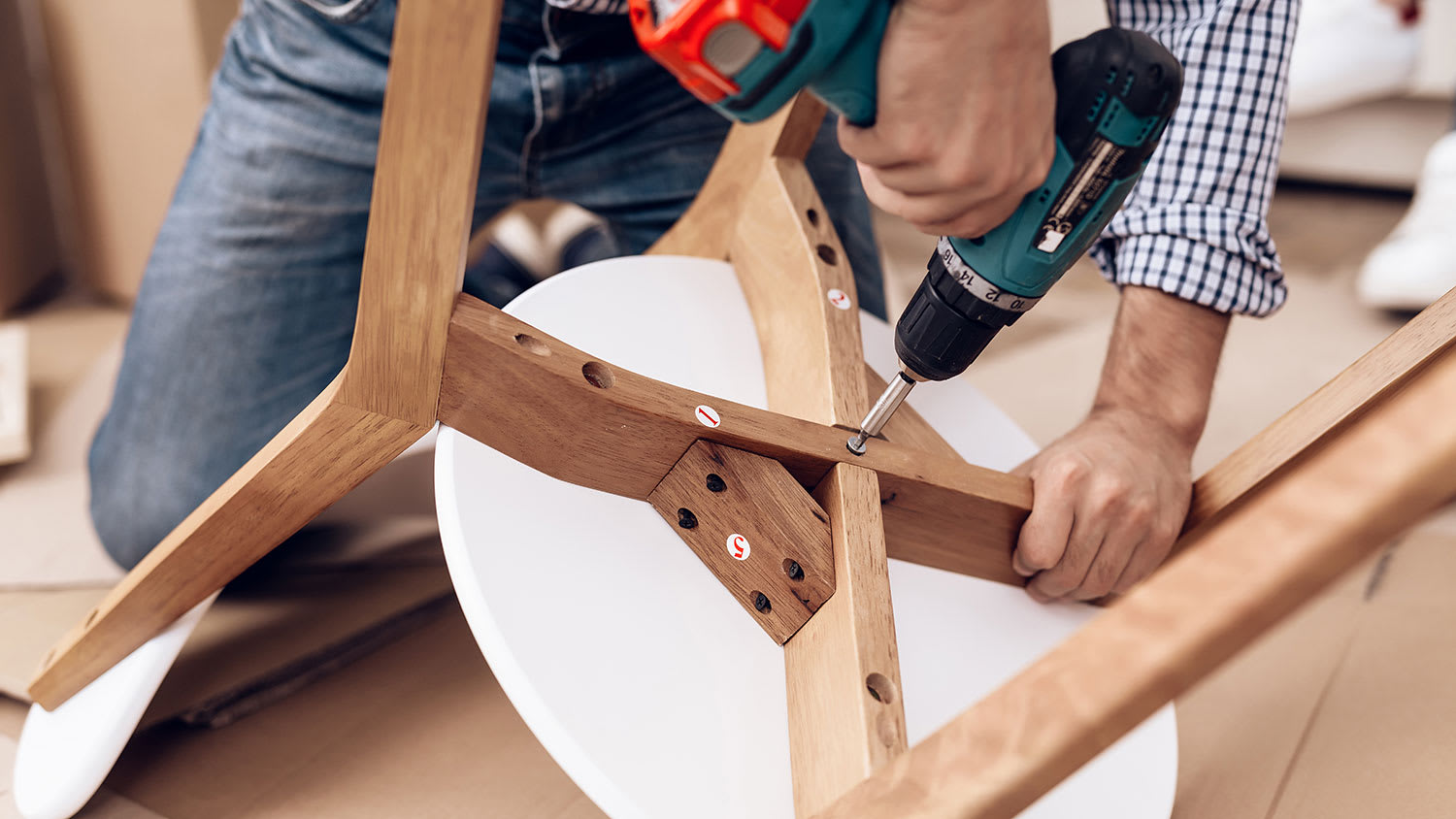
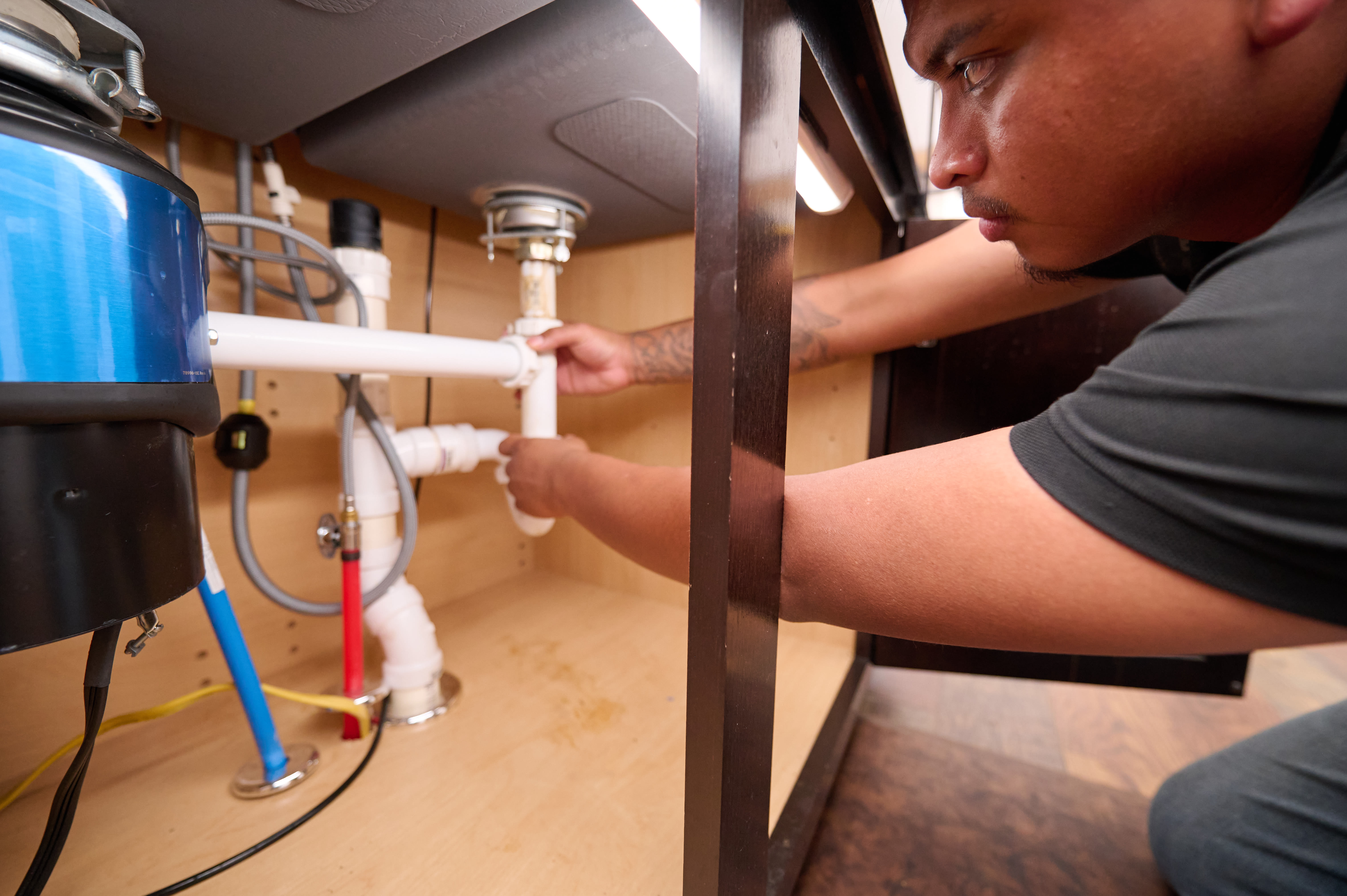
A handyperson can perform a wide variety of home improvement and repair projects. Common jobs include painting, cleaning gutters, assembling new furniture, and replacing fixtures like cabinets or lights. They can also handle more complex tasks such as installing a dishwasher, fixing minor plumbing leaks, refinishing wood floors, and replacing doors. Generally, a handyperson is ideal for any project that does not require a specific license or certification, such as those related to major plumbing, electrical, or structural work, which should be handled by a licensed tradesperson.
While handypeople do not need to be licensed in many places, you should only hire insured pros for any home improvement work. Your handyperson should have active liability coverage that protects them and you in the case of an error or accident. Furthermore, if they have employees on your property, they should also have workers’ compensation insurance. If you hire an individual or a company that is not insured and they damage your property, have an accident while on the job, or become injured on your property without insurance, you can be held financially liable.
After cutting Corian® to the right size, you may have to attach it to another piece of Corian®, either at a corner or another seam. One way to create the tightest seam is to place the two pieces of Corian® on a level surface at ⅜-inch apart. Run a router in between the two slabs to create an identical edge on both pieces. Then use the proper DuPont Joint Adhesive for your type of seam and countertop to join the Corian® together.
A contractor specializes in a specific field. They often operate in teams where they have subcontractors to handle specialized problems. So if you have significant plumbing, drywall, or roofing issues, you’ll want to hire a contractor, as the job may require a team.
A handyperson is typically one person who works on whatever jobs come their way. You wouldn’t call a contractor to fix the hinges on cabinets or paint your room. Instead, a handyperson can handle all these issues, saving you from making multiple phone calls.
There are a few advantages to hiring a handyperson as a contractor, namely that they will likely charge less for their services since they don’t have as much overhead. A handyperson might also have more flexibility and be more involved in your specific home project, so you can communicate with one person instead of a subcontractor team.
The Badger, MN homeowners’ guide to handyman services
From average costs to expert advice, get all the answers you need to get your job done.
Hiring the right handyperson can save you time and even money. Here are the best tips for hiring any home project, plus interview questions for a handyperson.
What does a handyperson do? Learn about common tasks and why you should hire a handyperson for your interior and exterior updates, repairs, and maintenance.