Top-rated water softener pros.

Get matched with top water softener pros in Pembina, ND

Enter your zip and get matched with up to 5 pros

Need a pro for your water softener service project in Pembina, ND?

Select your specific project to find the pro for you.

Find Water softener pros in Pembina

FM Water Systems LLC
5.0(
2
)
Water Treatment & Purification System - Install or ReplaceWater Treatment & Purification System - Repair or Service

Serving Pembina, ND and surrounding areas

In business since 1991

Free estimates

Credit card accepted

FM Water Systems is your locally owned and operated authorized Kinetico Dealer with over 30 years of experience. We take great pride in our prompt response, expertise and superior customer service every time so call today!\n\nCommercial and Residential clients always welcome!

Response time3 days
Recommended by50%of homeowners
Water Softeners questions, answered by experts

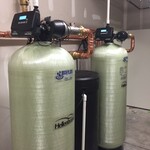
The main difference between a water softener and a water filter is what they remove from the water. A water softener is specifically designed to remove hard minerals, while a filter removes a wider range of contaminants above a certain size, such as bacteria and other impurities. If your primary goal is to remove minerals, a softener is the best choice. If you want to remove various contaminants for safety or taste, a filter is more suitable. Filters are also typically less expensive to install. Depending on your water supply's specific issues, you may need to install both systems for comprehensive treatment.

The chemicals in a water softener can wear down the anode rod in the heater and shorten its life span. However, for most people, the benefits of the softener outweigh this potential drawback.

Have a plumber inspect the anode rod annually for damage, as replacing the anode rod is far less expensive than replacing the entire water heater.

Softened water prevents scale deposits, reducing appliance wear, leading to energy savings and longer-lasting household fixtures.

No. You should never directly drain a water softener into a sewer cleanout. This practice is illegal in many areas because it could allow raw sewage to get into your drinking water and make you seriously ill. Many places have codes requiring a specific seal, pipe, and a large air gap between a water softener and a sewage cleanout. Check out Florida's Plumbing Building Code as an example of what these restrictions might look like.

A water softener is a worthwhile investment if you live in an area with hard water. While hard water is safe to drink, it contains minerals like calcium and magnesium that can cause significant problems over time. These minerals build up inside pipes, reducing water flow and eventually corroding the plumbing system, which can lead to leaks and a shortened lifespan. Hard water also damages fixtures and appliances, potentially resulting in costly repairs. Additionally, it makes soaps and detergents less effective, meaning you'll use more product to get things clean. By installing a water softener, you can prevent these issues. The initial investment is often recouped through long-term savings, including lower energy bills, reduced appliance and plumbing maintenance, and spending less on soap and cleaning supplies. Other benefits include cleaner linens, dishes, and clothing, as well as softer water that is gentler on your skin and hair. In some areas, a water softener can also increase your home's value, making it a valuable long-term investment.

The Pembina, ND homeowners’ guide to water softener services

From average costs to expert advice, get all the answers you need to get your job done.