





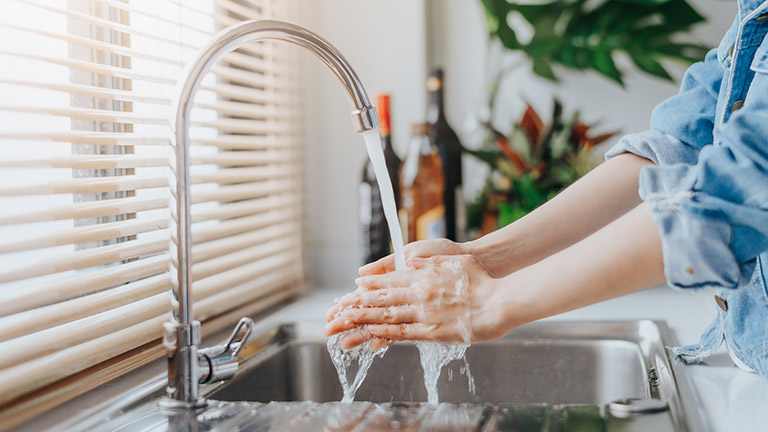
Water softeners remove minerals from hard water in your home and make your water more pleasant to use. Learn more about how they work here.
 4.7
 18
*The Angi rating for Water Softener Service companies in Spring Arbor, MI is a rating based on verified reviews from our community of homeowners who have used these pros to meet their Water Softener Service needs.
*The HomeAdvisor rating for Water Softener Service companies in Spring Arbor, MI is a rating based on verified reviews from our community of homeowners who have used these pros to meet their Water Softener Service needs.
Last update on August 07, 2026
From average costs to expert advice, get all the answers you need to get your job done.
Water softeners remove minerals from hard water in your home and make your water more pleasant to use. Learn more about how they work here.

Water softeners work to remove unwanted minerals from hard water through a filtration and recharge cycle. Keep reading to learn how a water softener works.
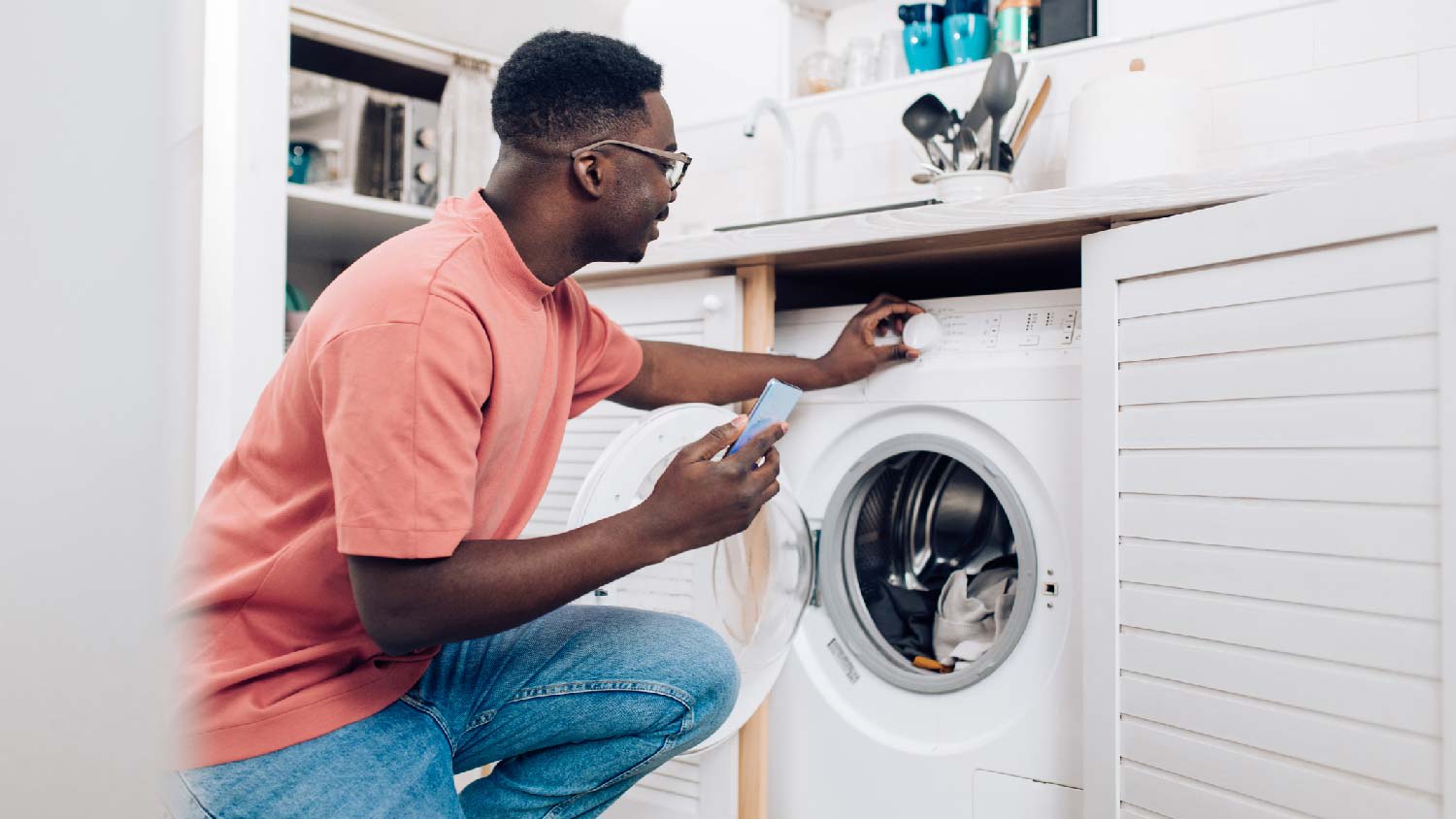
There are four common softener alternatives available on the market today. We compare and contrast each one to help you find your best-fit solution in this blog.
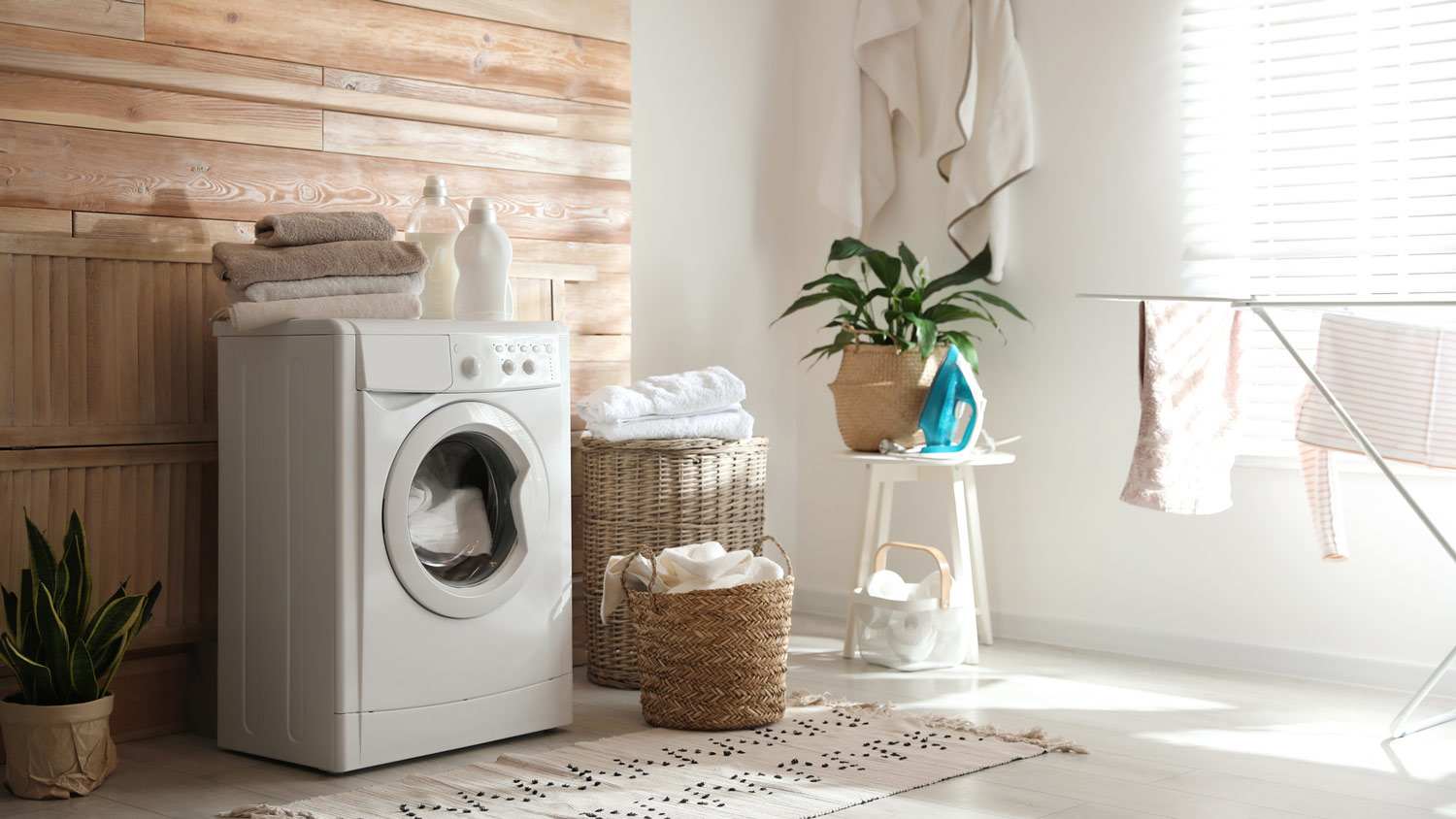
Water softeners rid your home of hard minerals and, well, soften your water. Even better, the regeneration process is an automatic cycle that works when you’re least likely to use it.
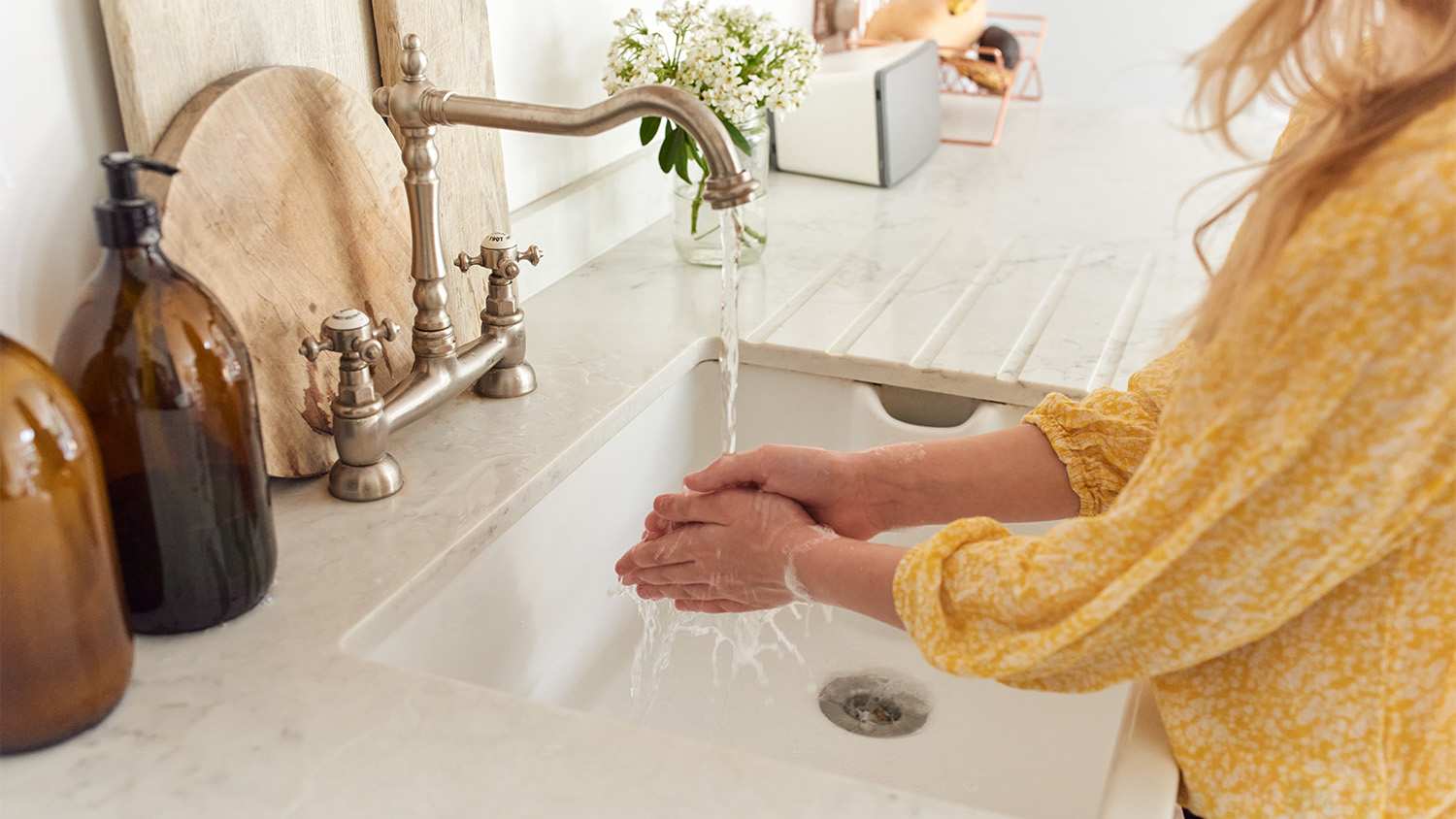
Your water softener works overtime to keep your water safe. Use this guide on how to check your water heater for damage or poor performance.

Water softeners remove hard minerals from your tap water, improving plumbing systems and water-using appliances. Here are the most efficient water softeners out there.