




Top-rated excavation pros.

Get matched with top excavation pros in Chase, MI

Enter your zip and get matched with up to 5 pros

Need a pro for your excavation project in Chase, MI?

Select your specific project to find the pro for you.

Find Excavation pros in Chase

Avatar for Deuces landscaping & Excavation
Deuces landscaping & Excavation
5.0(
8
)
Landscape - Minor Grading or Resloping

Serving Chase, MI and surrounding areas

Approved

In business since 2022

Offers commercial services

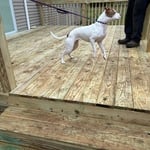
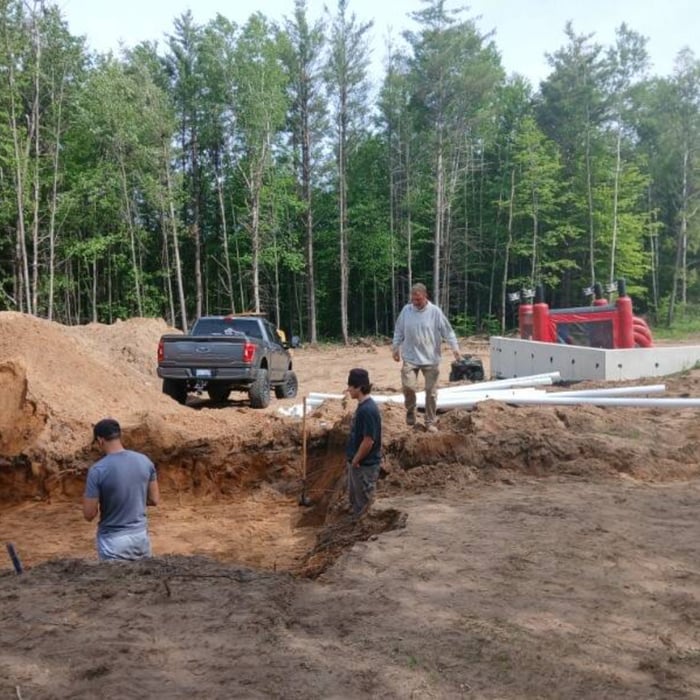
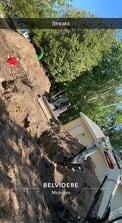
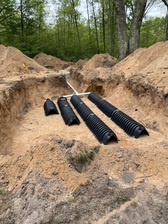
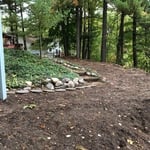
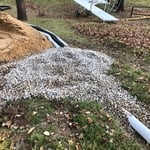
"Joe and his crew did a fantastic job!!! Always keeping in contact with me and my husband. He is an all in one guy. He removed a huge pine tree in order to get out drain field in, put our fence back together and even hydro seeded our lawn. I would give this guy a 10 star if I could."
Project Photos
Project Photos
Project Photos
Project Photos
Project Photos

+2

32 neighbors recently requested a quote
Avatar for NRE Excavating
NRE Excavating
4.1(
14
)
Building Site - Preparation and ClearingBuilding Site - Preparation and Clearing - For BusinessExcavation - Major Grading or Resloping+2 more

Serving Chase, MI and surrounding areas

"Everything went really good, we were only able to communicate by phone, sometimes that is difficult, but everything went smoothly, we are very satisfied with the work that was done we look forward to having other projects done by them."
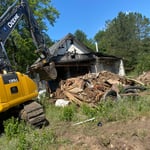
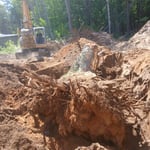
Digging out the basement of the house to put debris in.
Additional Photos
Additional Photos
Additional Photos
Additional Photos

+3

Recommended by76%of homeowners
Showing 1-10 of 47
Excavating questions, answered by experts

Trenches are typically 12 to 24 inches deep and 8 inches wide. However, the required depth depends on the specific project and local ordinances. For example, a French drain may need to be 18 inches deep, while a water pipe might require a depth of 24 inches and a drainage pipe 36 inches. Your city or county may have specific regulations, so it's wise to consult with an excavation professional to determine the correct depth for your project.

In the United States, a depth of 36 inches (three feet) for underground water lines is the accepted industry standard. This depth varies from location to location based on local conditions. In areas with colder winters, they may be buried deeper to prevent frozen well water pipes : This is usually at least six inches below the frost level. The International Plumbing Code calls for a minimum of 12 inches below grade.

Depending on the severity of the freeze and the method used, thawing frozen underground pipes can take anywhere from 30 minutes to several hours. Applying heat directly to the pipe using heat tape, infrared lamps, or hot water jetting can speed up the process. However, patience and careful monitoring are key to avoiding pipe damage.

Digging a well can cost between $20 and $25,000, depending on your needs. If you’re looking to dig a well yourself, all you need is a shovel. If you’re looking to have a well drilled by a professional, you can expect to pay around $15 to $30 per foot. The total cost of drilling a well will average to $5,500.

To drill a shallow well, you may be able to use a drive well point. This is a tapered point that is driven into the ground. A drill bit at the end of PVC pipe may be another option to consider. A lot of the cost depends on what tools are available near you.

The Chase, MI homeowners’ guide to excavation services

From average costs to expert advice, get all the answers you need to get your job done.