"Would hire again. Actually showed up unlike other people. Reasonable price. My wife was the one who conversed with them and she said “very polite, understanding, down to earth people who she will hire again in the future.”"
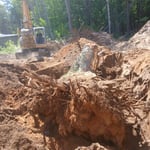
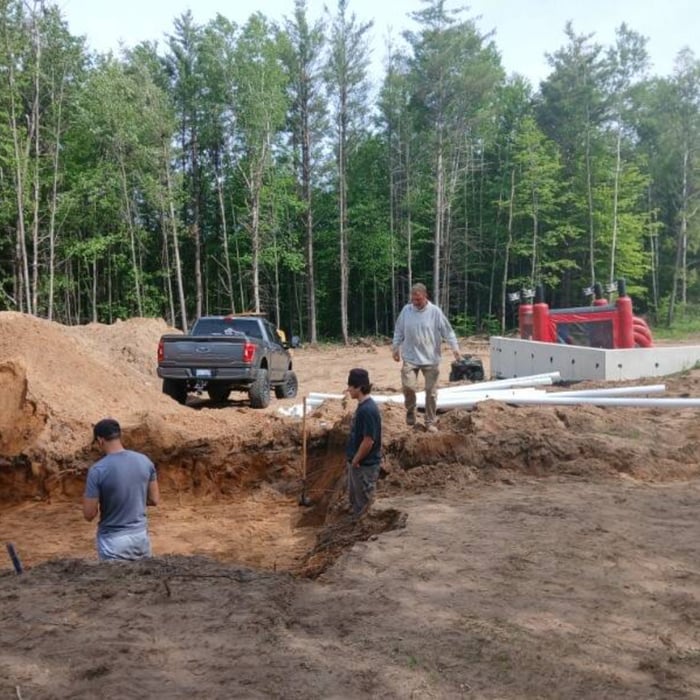
"Joe and his crew did a fantastic job!!! Always keeping in contact with me and my husband. He is an all in one guy. He removed a huge pine tree in order to get out drain field in, put our fence back together and even hydro seeded our lawn. I would give this guy a 10 star if I could."
"Dont judge a book by it's cover. It's hard to find a quality handyman -- especially in Northern Michigan. The folks at Clearwater, led by Tyler, quoted quickly and got the job done on time and according to all specified parameters. A small start up that needs a little front end polish -- but dont let that dissuade you from hiring. A quality finished product is what counts. They delivered this in spades. Not only would I hire them again, I sincerely hope to help them grow and will recommend them to the property owners I service in my business."
"Absolutely amazing company! They do incredible work and take real pride in what they do. The quality, attention to detail, and professionalism are outstanding. They show up, get the job done right, and leave everything looking better than expected. If you’re looking for a reliable company that you can trust, I highly recommend them! You won’t be disappointed! 👏🏼🌳🚜"
Hello, my name is Israel Chavez. I’ve been doing Roofing and Trash and removel for six years. I work all over the state of Michigan. i’m great at what I do I own 216 foot dump trailers and the reason why you should hire me is because I do a great job I clean up.
Northern Ground Services has become a staple of professionalism and quality work in Michigan for years. With decades of experience, there is no job too large or small. Call today to schedule an appointment!
How deep your septic system needs to be into the ground depends on several factors. In extremely cold environments, the tank needs to rest below the maximum frost line, which can be up to six or eight feet deep. The standard burying depth for most systems is between a few inches and four feet below ground level. Depth can also depend on the slope of the landscaping and other property variables.
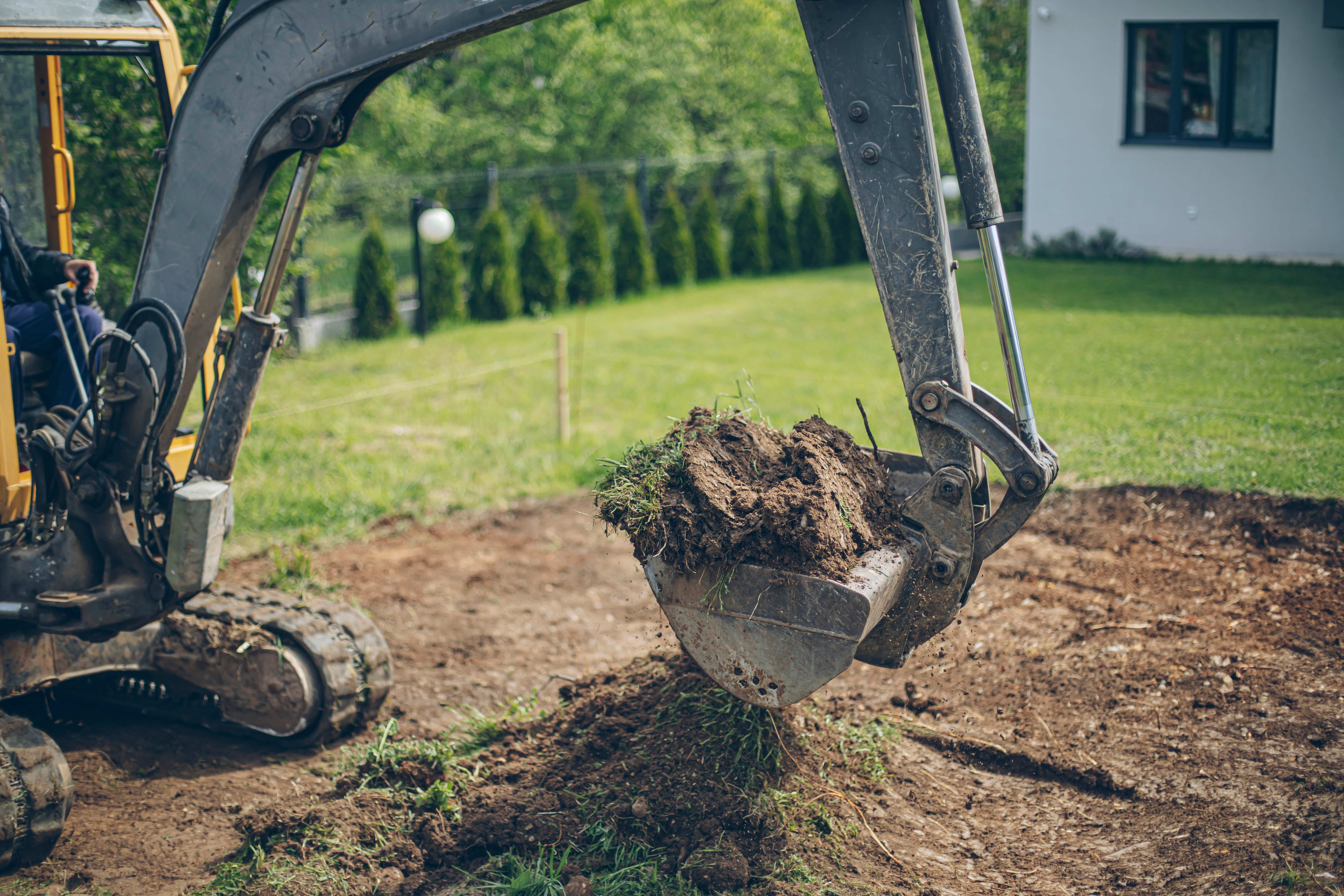
A mini excavator can dig between 5 and 11 feet deep, depending on the type and size of the mini excavator. Mini hydraulic excavators are more powerful and can reach deeper into the earth, but electric models have a more limited range. Mini excavators over two tons in size are also more powerful and able to dig as deep as 11 feet.
Completion time ranges from days to weeks, contingent on project size, environmental conditions, and regulatory approvals.
Whether you grind or dig up and remove your tree stump depends on your landscaping goals. Using a stump grinder leaves the root system in place for it to decompose over time, whereas digging up the tree stump removes the roots and the stump. Overall, stump grinding is a far simpler process since you won’t need to deal with the roots. Stump removal will make your yard look like a demolition site, but you’ll have an easier time replanting in the same place as your former tree.
The digging depth will depend on the size of the trencher you use. Even smaller units can dig up to 4 feet deep, which is plenty for a DIY job. However, much larger trenchers can reach a depth of 18 feet and are better used by a team of pro contractors, not a single DIYer. As with all home improvement projects, use the right tool for the job and proceed with caution.
The Cadillac, MI homeowners’ guide to excavation services
From average costs to expert advice, get all the answers you need to get your job done.
Excavation costs $1,500 to $6,300 for most residential projects—but it depends on factors like the size of the area. This guide will help you plan a budget.
You can't have an in-ground pool without digging into the ground. How much does pool excavation cost, and can you take it on yourself? Our guide explains.
Picking the right pro can make or break your project. Learn how to hire an excavation pro with the qualifications and skillset to do the job efficiently.