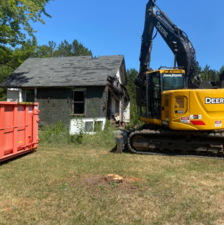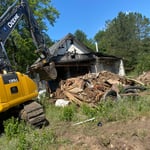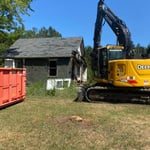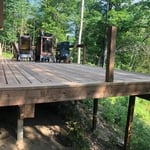






Top-rated excavation pros.

Get matched with top excavation pros in Luther, MI

Enter your zip and get matched with up to 5 pros

Need a pro for your excavation project in Luther, MI?

Select your specific project to find the pro for you.

Find Excavation pros in Luther

Avatar for Deuces landscaping & Excavation
Deuces landscaping & Excavation
5.0(
8
)
Landscape - Minor Grading or Resloping

Serving Luther, MI and surrounding areas

Approved

In business since 2022

Offers commercial services

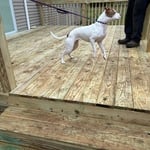
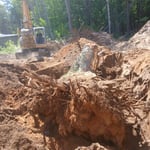
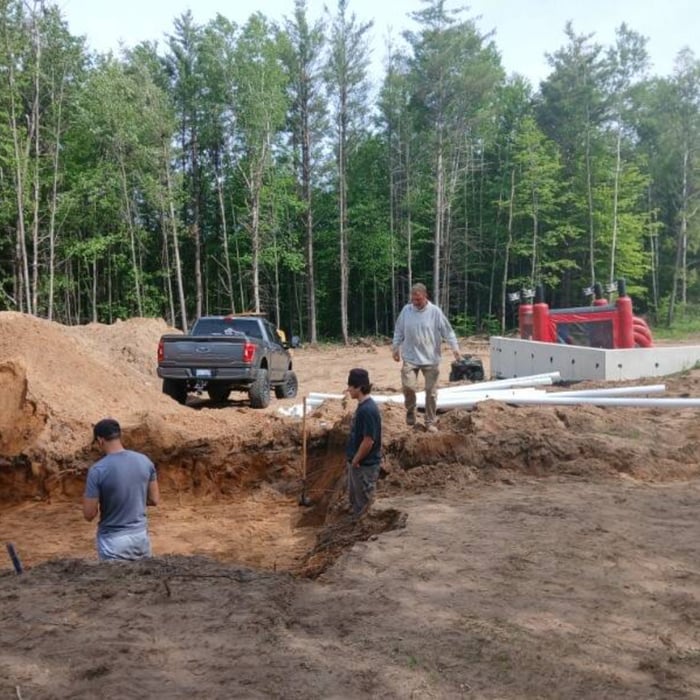
"Joe and his crew did a fantastic job!!! Always keeping in contact with me and my husband. He is an all in one guy. He removed a huge pine tree in order to get out drain field in, put our fence back together and even hydro seeded our lawn. I would give this guy a 10 star if I could."
Project Photos
Project Photos
Project Photos
Project Photos
Project Photos

+2

28 neighbors recently requested a quote
Showing 1-10 of 37
Excavating questions, answered by experts

Excavation and grading are both generally necessary for designing your foundation, and leveling the ground where your foundation will go. These steps can also prepare the area by removing vegetation and anything else that could interfere with your home’s foundation.

While general contractors sometimes handle demolition, you can also look specifically for local demolition contractors. Demolition experts need to understand structural integrity, the equipment needed for safe demolition, and the permits required for demolition.

A trench that is less than 5 feet deep often doesn't require a protective system. Most residential trenches will not go this deep (the typical residential drainage trench is just 18 inches deep). In the event that an excavator needs to dig more than 5 feet beneath the surface, a protective system is required unless the excavation is in entirely stable rock.

Trenches are typically 12 to 24 inches deep and 8 inches wide. However, the required depth depends on the specific project and local ordinances. For example, a French drain may need to be 18 inches deep, while a water pipe might require a depth of 24 inches and a drainage pipe 36 inches. Your city or county may have specific regulations, so it's wise to consult with an excavation professional to determine the correct depth for your project.

Septic drain lines (or leach lines) are typically buried between 18 and 36 inches underground, and should be at least 6 inches below the surface. These pipes are perforated and surrounded by filtering materials like sand or gravel. Burying the lines at this depth helps minimize odors and allows bacteria and other biological processes in the soil to effectively treat the wastewater. Burying lines too close to the surface can cause issues unless the soil is very compact and stable.

The Luther, MI homeowners’ guide to excavation services

From average costs to expert advice, get all the answers you need to get your job done.