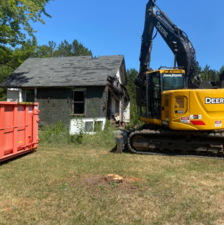
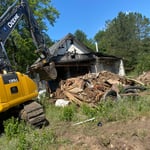
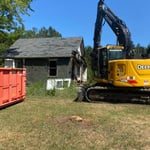
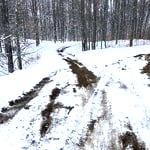
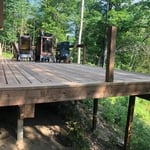
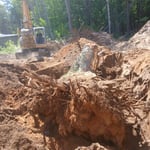
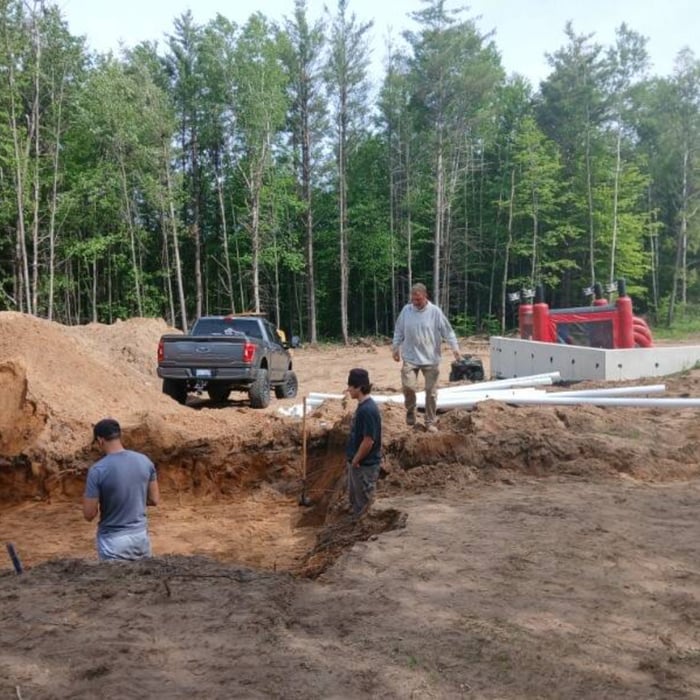
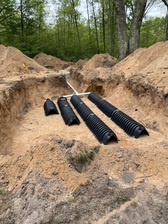
We are a top of the line excavating,landscaping,and snow removal business based in Marion Michigan. We have years of experience and do the work to prove that! No matter what job big or small, we can do it all exactly how you want it and hassle free! Give us a call at 231-846-9098 and ask any questions to any project! All our quotes to you are free.
"Knoch & Sons provides professional excavation and property services throughout Northern Michigan. We offer skid steer work, excavation work, land clearing, forestry mulching, stump removal, brush hogging, grading, building services, limestone work, landscaping, and commercial mowing. Fully insured, experienced, and fully equipped. Free estimates available!
We are a family ran business that loves playing in the dirt, LOL. We offer new home prep, tree removal, septic install, driveway work and much more. Just give us a call and we will be there to help!
We take great pride our experience, expertise, quality, and customer service that we provide to meet the consumer's needs. It is our mission to provide excellent workmanship and complete customer satisfaction, from the start to the completion of a project. Our reputation is based on service, safety, and quality, regardless of how large or small the job.
Hello, my name is Israel Chavez. I’ve been doing Roofing and Trash and removel for six years. I work all over the state of Michigan. i’m great at what I do I own 216 foot dump trailers and the reason why you should hire me is because I do a great job I clean up.
Northern Ground Services has become a staple of professionalism and quality work in Michigan for years. With decades of experience, there is no job too large or small. Call today to schedule an appointment!
We are a top of the line excavating,landscaping,and snow removal business based in Marion Michigan. We have years of experience and do the work to prove that! No matter what job big or small, we can do it all exactly how you want it and hassle free! Give us a call at 231-846-9098 and ask any questions to any project! All our quotes to you are free.
We are a top of the line excavating,landscaping,and snow removal business based in Marion Michigan. We have years of experience and do the work to prove that! No matter what job big or small, we can do it all exactly how you want it and hassle free! Give us a call at 231-846-9098 and ask any questions to any project! All our quotes to you are free.
There are several different factors that influence how long it takes to excavate. For a foundation, it could take anywhere from three days to three weeks. It can take even longer if you face weather-related delays or an inaccessible site that’s riddled with boulders and rough terrain. It may also take longer if you have clay soil, which is more difficult to dig.
To determine whether your homeowners' insurance will cover crawl space repair, consider the cause of the issue. Repair may be covered if the problems were caused by an event that the insurance covers, such as vandalism or a windstorm. However, companies won't cover the repair if the issues are caused by neglect or wear and tear.
There are several methods to hollow out a tree stump, and the best one depends on your tools, experience, and priorities. Common methods include using a chisel and hammer, a chainsaw, or burning.
Chisel and Hammer: This is often considered the easiest approach for those with limited tools or experience, though it is the most time-consuming.
Chainsaw: Using a chainsaw is the fastest method, but it comes with significant safety risks, especially for inexperienced users.
Burning: This can be an effective method, but it is not recommended unless you can first drill holes into the stump. Without holes, the stump will be difficult to light and may not burn completely through.
A power drill with at least a ⅜-inch diameter bit can make the job quicker and easier, regardless of the primary method. While you can use a chisel or chainsaw without a drill, it will require more time and effort. Always wear protective goggles and thick gloves, as splinters are an inevitable risk.
It can take several weeks for the ground to settle after removing a tree, and the soil under larger, more mature trees can take months. The deeper the tree has been ground under the soil, the longer it will take to settle. However, this extra depth can help you plant new landscaping sooner because you’ll have more space for fresh soil.
Digging a well can cost between $20 and $25,000,depending on your needs. If you’re looking to dig a well yourself, all you need is a shovel. If you’re looking to have a well drilled by a professional, you can expect to pay around $15 to $30 per foot. The total cost of drilling a well will average to $5,500.
The Leroy, MI homeowners’ guide to excavation services
From average costs to expert advice, get all the answers you need to get your job done.
Excavation costs $1,500 to $6,300 for most residential projects—but it depends on factors like the size of the area. This guide will help you plan a budget.
You can't have an in-ground pool without digging into the ground. How much does pool excavation cost, and can you take it on yourself? Our guide explains.