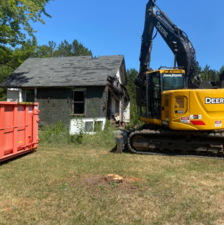
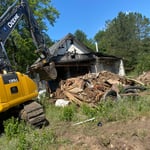
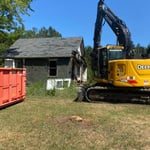
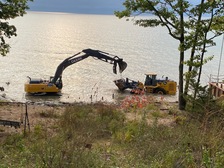
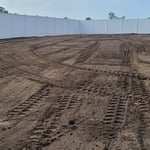
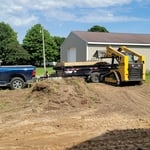
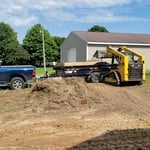
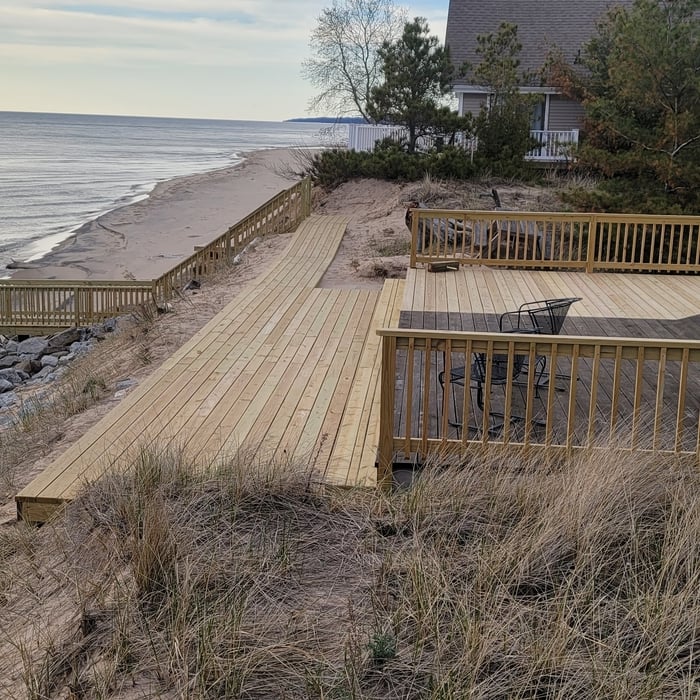
We are a top of the line excavating,landscaping,and snow removal business based in Marion Michigan. We have years of experience and do the work to prove that! No matter what job big or small, we can do it all exactly how you want it and hassle free! Give us a call at 231-846-9098 and ask any questions to any project! All our quotes to you are free.
We pride our company on reliability, great communication, integrity, and quality work. We are experts in our trade and will do our best to keep you as educated as we can on your particular task or project. We look forward to earning your business!
We are a locally owned and operated company that values honesty and integrity and treats your home as if it were our own. We have many years of experience to give you confidence that we are your number one choice for your next home project. You will find us to be competitively priced with close attention to the details. We look forward to building a lasting relationship and guarantee your satisfaction!
We are a family ran business that loves playing in the dirt, LOL. We offer new home prep, tree removal, septic install, driveway work and much more. Just give us a call and we will be there to help!
We take great pride our experience, expertise, quality, and customer service that we provide to meet the consumer's needs. It is our mission to provide excellent workmanship and complete customer satisfaction, from the start to the completion of a project. Our reputation is based on service, safety, and quality, regardless of how large or small the job.
We provide reliable handyman services and outdoor improvement solutions with a focus on quality, efficiency, and long-term results. From small repairs and property cleanups to grading, drainage, and backyard upgrades, we help homeowners get their projects done right without the hassle.\nOur work covers a wide range of services including yard cleanups, tree trimming, light demolition, power washing, and general handyman tasks. We also specialize in outdoor projects like patio prep, leveling, and landscape improvements—helping turn everyday spaces into functional, usable backyards.\nWe take a practical, construction-focused approach to every job. That means showing up on time, communicating clearly, and doing the work properly the first time. Whether it’s a quick fix or a larger outdoor project, we aim to deliver results that last.\nHomeowners choose us because we’re dependable, straightforward, and focused on getting the job done right—no shortcuts, no surprises.
Hello, my name is Israel Chavez. I’ve been doing Roofing and Trash and removel for six years. I work all over the state of Michigan. i’m great at what I do I own 216 foot dump trailers and the reason why you should hire me is because I do a great job I clean up.
We are a top of the line excavating,landscaping,and snow removal business based in Marion Michigan. We have years of experience and do the work to prove that! No matter what job big or small, we can do it all exactly how you want it and hassle free! Give us a call at 231-846-9098 and ask any questions to any project! All our quotes to you are free.
Specializing in LANDSCAPING AND TREE SERVICE! We always guarantee your satisfaction and won’t leave until the job is done right. We take pride in ourselves and on the quality work we provide, while always delivering great customer service! Check out our services offered, then call --or-- click to schedule a free estimate today!\n\n
After you successfully remove your boulder, you have a few options for what to do to get rid of it. You can rent a dumpster if your yard has many boulders or if you’re planning a larger project. You can even save the boulder and reuse it elsewhere on your property to save on landscaping costs. A few ideas include using the boulder as a natural, abstract statue, breaking it into smaller pieces to line your garden bed, or offering it to a landscaping company that could reuse it for another project.
In the United States, a depth of 36 inches (three feet) for underground water lines is the accepted industry standard. This depth varies from location to location based on local conditions. In areas with colder winters, they may be buried deeper to prevent frozen well water pipes : This is usually at least six inches below the frost level. The International Plumbing Code calls for a minimum of 12 inches below grade.
The average cost of excavation is approximately $3,200, with typical projects ranging from $500 to $15,000. Depending on the contractor, you may be charged between $50 and $200 per cubic yard or an hourly rate of $40 to $180 for an excavation specialist. The total cost is influenced by several factors, including the project size, the amount of soil to be removed, and the soil's condition. Hard soil, tree roots, or excessive rocks and clay can increase the price, potentially adding $200 to $1,200 to the final bill. Other factors that can drive up costs include the presence of nearby structures that complicate the work or tight spaces that require manual excavation instead of heavy machinery.
Chipmunks dig their burrows about three feet deep and up to 30 feet long. The entrances can be two inches wide or more. Chipmunks are fiercely protective of their burrows and use them to protect the nuts and seeds they gather for the long winters.
Directional drilling is complex and requires training to use the advanced machinery. It can be challenging to monitor the position of the drill since there’s no direct line of sight. Directional drilling can also be more expensive with a cost of $10 to $30 per linear foot compared to $5 to $12 per linear foot for trenching.
The Hesperia, MI homeowners’ guide to excavation services
From average costs to expert advice, get all the answers you need to get your job done.
Excavation costs $1,500 to $6,300 for most residential projects—but it depends on factors like the size of the area. This guide will help you plan a budget.
You can't have an in-ground pool without digging into the ground. How much does pool excavation cost, and can you take it on yourself? Our guide explains.
Picking the right pro can make or break your project. Learn how to hire an excavation pro with the qualifications and skillset to do the job efficiently.