

Top-rated excavation pros.

Get matched with top excavation pros in Paris, MI

Enter your zip and get matched with up to 5 pros

Need a pro for your excavation project in Paris, MI?

Select your specific project to find the pro for you.

Find Excavation pros in Paris

Avatar for NRE Excavating
NRE Excavating
4.1(
14
)
Building Site - Preparation and ClearingBuilding Site - Preparation and Clearing - For BusinessExcavation - Major Grading or Resloping+2 more

Serving Paris, MI and surrounding areas

"This was a first time excavation project for me. Duane and I worked back and forth with texts. He made a visit to the site and gave me day. Day of was as described and things looked great when he was done. I asked him to come back to do more and within two weeks everything was accomplished and it looks great. Thanks guys."
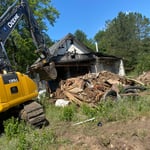
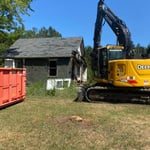
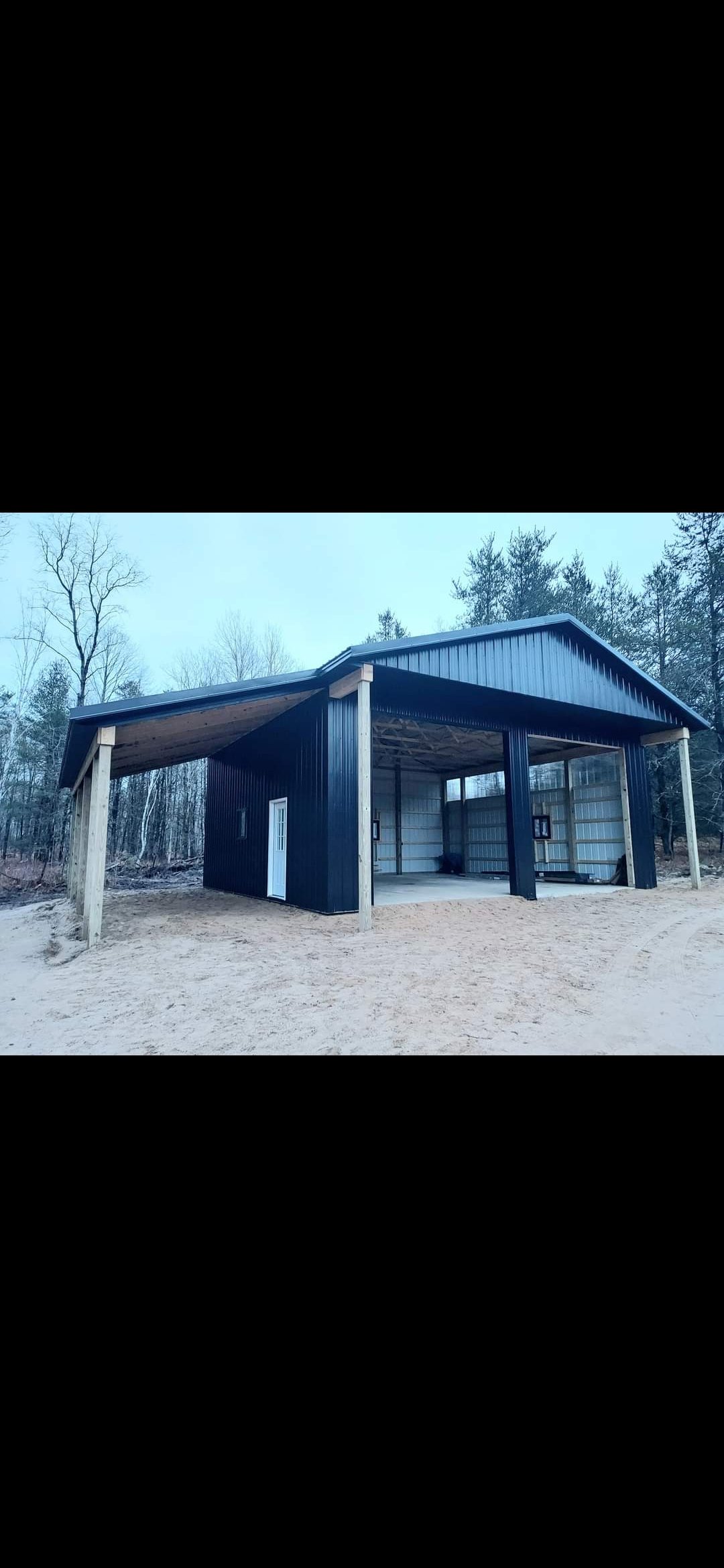
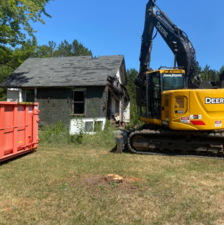
Digging out the basement of the house to put debris in.
Additional Photos
Additional Photos
Additional Photos
Additional Photos

+3

Recommended by76%of homeowners
Martin Land Improvement, Inc.
5.0(
1
)
Building Site - Preparation and ClearingBuilding Site - Preparation and Clearing - For BusinessExcavation - Major Grading or Resloping+2 more

Serving Paris, MI and surrounding areas

In business since 1980

Free estimates

Emergency services offered

"They were fantastic he called me right back after I call. Very prompt, always available, the question I had he got all the information we needed for putting the septic and over all electrical wires, he explained everything. Over all great business people and I was very satisfied with the work that he did. I will definitely use them again, he always explained the cost about financial."
Recommended by100%of homeowners
Showing 1-10 of 50
Excavating questions, answered by experts

No, a ditch isn’t a trench. A ditch is an open, relatively shallow channel that’s carved out of the ground and used for drainage purposes. In contrast, a trench is a deeper excavation that’s entirely underground. Trenches have many uses, including gas lines, sewage systems, and electrical wiring. Unlike trenches, ditches don’t get filled back in with dirt after they’re dug.

A trench that is less than 5 feet deep often doesn't require a protective system. Most residential trenches will not go this deep (the typical residential drainage trench is just 18 inches deep). In the event that an excavator needs to dig more than 5 feet beneath the surface, a protective system is required unless the excavation is in entirely stable rock.

Septic drain lines (or leach lines) are typically buried between 18 and 36 inches underground, and should be at least 6 inches below the surface. These pipes are perforated and surrounded by filtering materials like sand or gravel. Burying the lines at this depth helps minimize odors and allows bacteria and other biological processes in the soil to effectively treat the wastewater. Burying lines too close to the surface can cause issues unless the soil is very compact and stable.

After you successfully remove your boulder, you have a few options for what to do to get rid of it. You can rent a dumpster if your yard has many boulders or if you’re planning a larger project. You can even save the boulder and reuse it elsewhere on your property to save on landscaping costs. A few ideas include using the boulder as a natural, abstract statue, breaking it into smaller pieces to line your garden bed, or offering it to a landscaping company that could reuse it for another project.

The physical constraints of hand-drilling a well limit the depth you can achieve. Manually digging with picks and shovels may only lead to shallow wells of up to 60 feet in depth. To reach greater depths, you need more specialized equipment. The diameter of your well and the tools you’re using will determine how far down you can dig.

The Paris, MI homeowners’ guide to excavation services

From average costs to expert advice, get all the answers you need to get your job done.