



Top-rated excavation pros.

Get matched with top excavation pros in Hersey, MI

Enter your zip and get matched with up to 5 pros

Need a pro for your excavation project in Hersey, MI?

Select your specific project to find the pro for you.

Find Excavation pros in Hersey

Avatar for NRE Excavating
NRE Excavating
4.1(
14
)
Building Site - Preparation and ClearingBuilding Site - Preparation and Clearing - For BusinessExcavation - Major Grading or Resloping+2 more

Serving Hersey, MI and surrounding areas

"Everything went really good, we were only able to communicate by phone, sometimes that is difficult, but everything went smoothly, we are very satisfied with the work that was done we look forward to having other projects done by them."
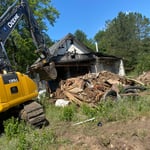
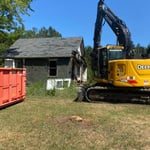
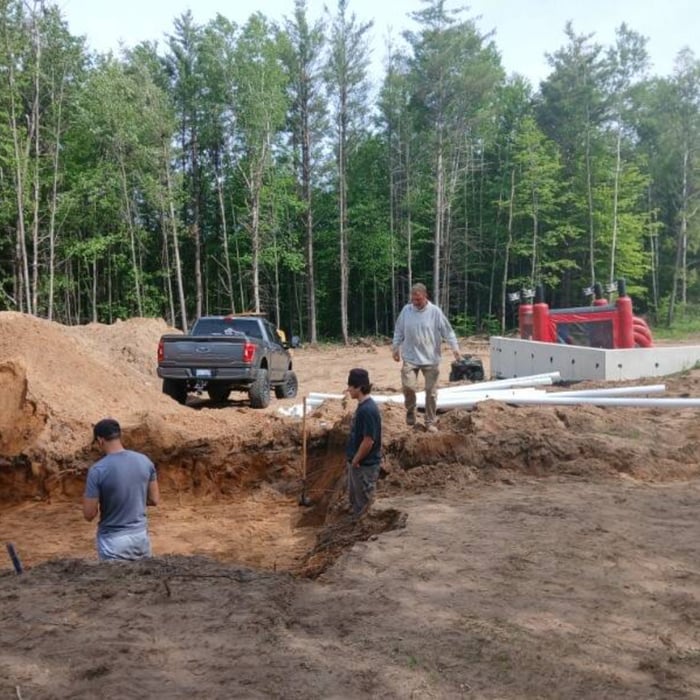
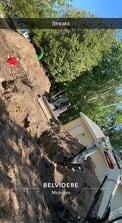
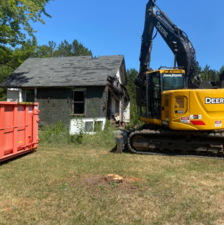
Digging out the basement of the house to put debris in.
Additional Photos
Additional Photos
Additional Photos
Additional Photos

+3

Recommended by76%of homeowners
Showing 1-10 of 44
Excavating questions, answered by experts

You should dig 3 to 6 inches deep for plastic edging. Dig as wide as you need to fit your plastic edging into it—2 inches is usually sufficient.

If you don’t have a crawl space but have a partial basement you want to make deeper, you can expect to spend a little less—between $40,000 and $90,000 on average. However, if you’re not adding new finished square footage, you won’t see much in the way of ROI.

Most residential basements are 8 to 10 feet deep. You can dig deeper depending on building codes, but it does become more difficult. You’ll likely need to install stronger foundation walls and additional supports to handle the increased load. Depending on the water table, you may also need a water management system. Clay soil can support a deeper foundation than sandy soil. A structural engineer will be able to tell you the maximum, feasible depth.

The cost to drill a well varies, with a national average of around $5,500 for a 150-foot well. However, prices can fluctuate significantly based on several factors, including your location, the required well depth, geological conditions, local regulations, and the specific drilling methods used. For the most accurate cost assessment, it is best to research and get quotes from local well-drilling professionals in your area.

In the United States, a depth of 36 inches (three feet) for underground water lines is the accepted industry standard. This depth varies from location to location based on local conditions. In areas with colder winters, they may be buried deeper to prevent frozen well water pipes : This is usually at least six inches below the frost level. The International Plumbing Code calls for a minimum of 12 inches below grade.

The Hersey, MI homeowners’ guide to excavation services

From average costs to expert advice, get all the answers you need to get your job done.