




Top-rated excavation pros.

Get matched with top excavation pros in Big Rapids, MI

Enter your zip and get matched with up to 5 pros

Need a pro for your excavation project in Big Rapids, MI?

Select your specific project to find the pro for you.

Find Excavation pros in Big Rapids

Avatar for B & L Contracting, Inc.
B & L Contracting, Inc.
5.0(
3
)

Serving Big Rapids, MI and surrounding areas

Approved

In business since 1993

Free estimates

Credit card accepted

"They are a very good company. They are conscientious of their work. They pay their bills. They are easy to get along with. They know the business very well. They are very confident people."
Stone a Work on Fireplace Exterior
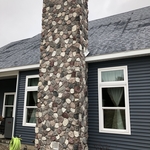
Stone Work on Fireplace Exterior
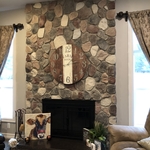
Stone Work on Fireplace Interior
Cape Cod Style Modern Farmhouse
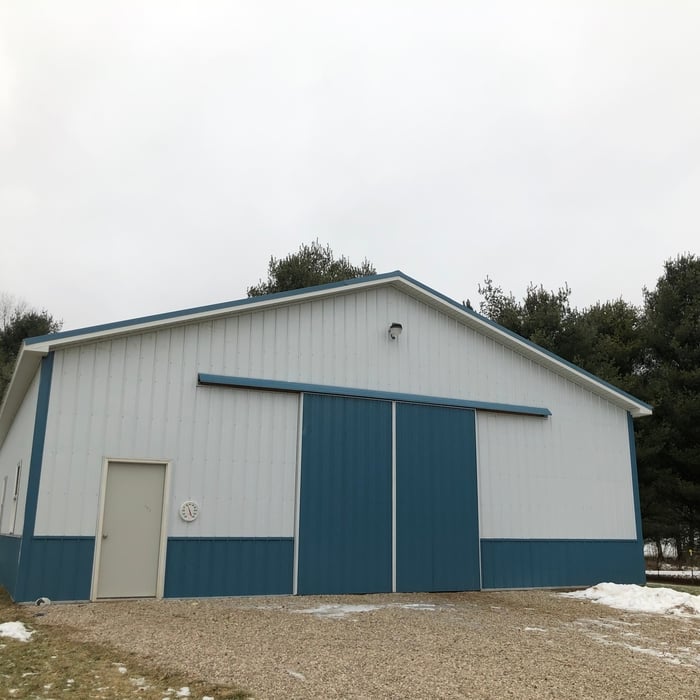
Pole Frame Buidling: Horse Barn Exterior

+23

Response time1 day
Response rate90%
Recommended by100%of homeowners
Avatar for NRE Excavating
NRE Excavating
4.9(
14
)

Serving Big Rapids, MI and surrounding areas

In business since 2017

Free estimates

Credit card accepted

"Very knowledgeable. Very hardworking. Workers like this are not easy to find. I was extremely pleased after having been in the landscape business myself for 22 years they did it exactly as I pictured. Very hard to find someone who will do this type of work correctly."
1 neighbors recently requested a quote
Recommended by69%of homeowners
Avatar for Muskegon River Construction Company
Muskegon River Construction Company
5.0(
5
)

Serving Big Rapids, MI and surrounding areas

In business since 2020

Free estimates

Credit card accepted

"Great! Owner, Bill, was friendly, professional, knowledgeable, and very fair. He offered good suggestions to solve the problem. And, surprise! The invoice was less than quoted. ? I would not hesitate to use them again or refer them to others."
Landscaping
Landscaping
Landscaping
Landscaping
Landscaping

+90

Recommended by100%of homeowners
Avatar for NRE Excavating
NRE Excavating
4.1(
14
)

Serving Big Rapids, MI and surrounding areas

"This was a first time excavation project for me. Duane and I worked back and forth with texts. He made a visit to the site and gave me day. Day of was as described and things looked great when he was done. I asked him to come back to do more and within two weeks everything was accomplished and it looks great. Thanks guys."
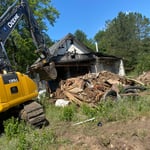
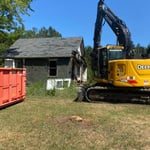
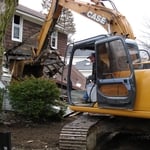
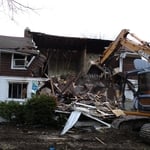
Digging out the basement of the house to put debris in.
Additional Photos
Additional Photos
Additional Photos
Additional Photos

+3

Recommended by76%of homeowners
...
Showing 1-10 of 56
Excavating questions, answered by experts

No, a ditch isn’t a trench. A ditch is an open, relatively shallow channel that’s carved out of the ground and used for drainage purposes. In contrast, a trench is a deeper excavation that’s entirely underground. Trenches have many uses, including gas lines, sewage systems, and electrical wiring. Unlike trenches, ditches don’t get filled back in with dirt after they’re dug.

Chipmunks dig their burrows about three feet deep and up to 30 feet long. The entrances can be two inches wide or more. Chipmunks are fiercely protective of their burrows and use them to protect the nuts and seeds they gather for the long winters.

A joint utility trench, or joint trench, is a long, buried ditch on a property that contains two or more utility lines rather than running the lines in multiple trenches. Some utilities, like gas and electric or electric and communication lines, are better suited to joint trenching, while others, like water and sewer, are not allowed to be in the same trench.

Concrete blocks are the cheapest way to base a shed. However, the space in between allows critters to go under, burrow, and even damage your shed’s frame. For a more pest-proof option, consider building a shed base with gravel or paver stones. Both options are fairly affordable and easy enough for a DIY project. For gravel, you can build a wooden frame to contain the loose material.

How deep your septic system needs to be into the ground depends on several factors. In extremely cold environments, the tank needs to rest below the maximum frost line, which can be up to six or eight feet deep. The standard burying depth for most systems is between a few inches and four feet below ground level. Depth can also depend on the slope of the landscaping and other property variables. 

The Big Rapids, MI homeowners’ guide to excavation services

From average costs to expert advice, get all the answers you need to get your job done.